

Get Quote
Contact us now to receive a detailed quotation.
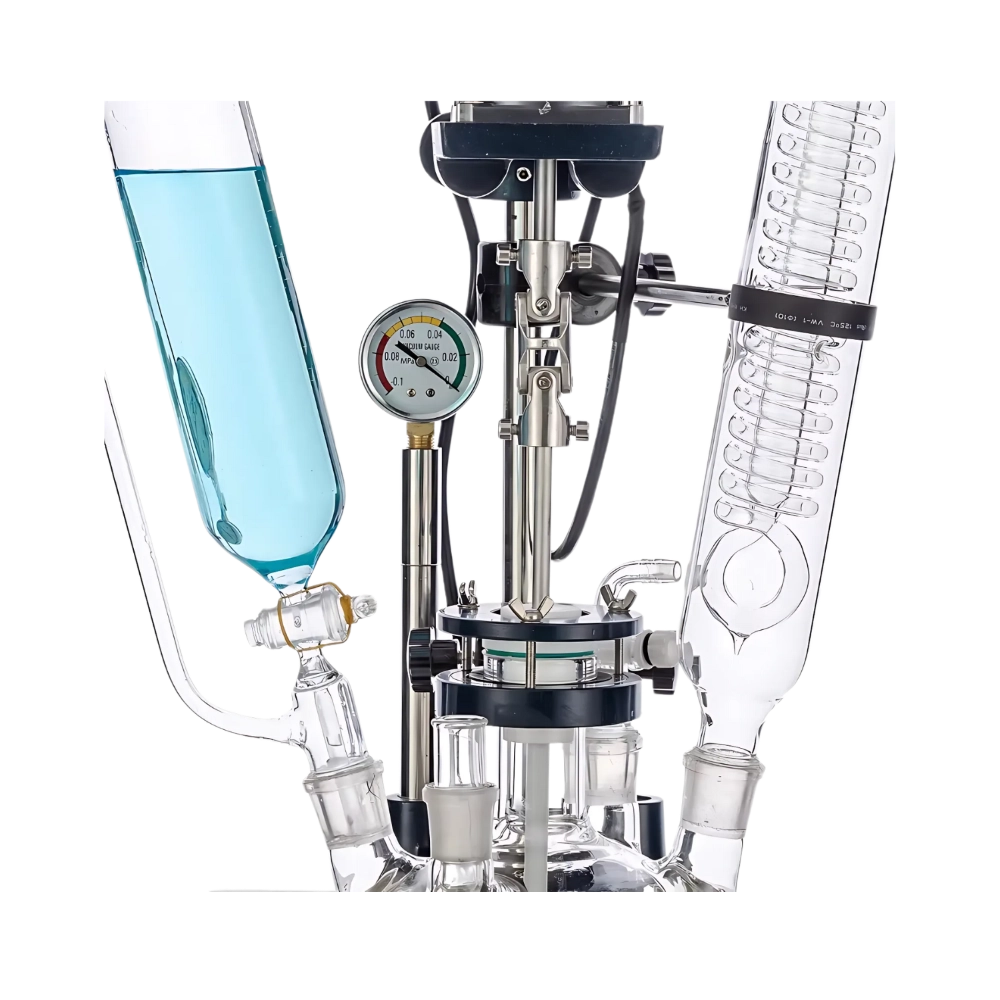
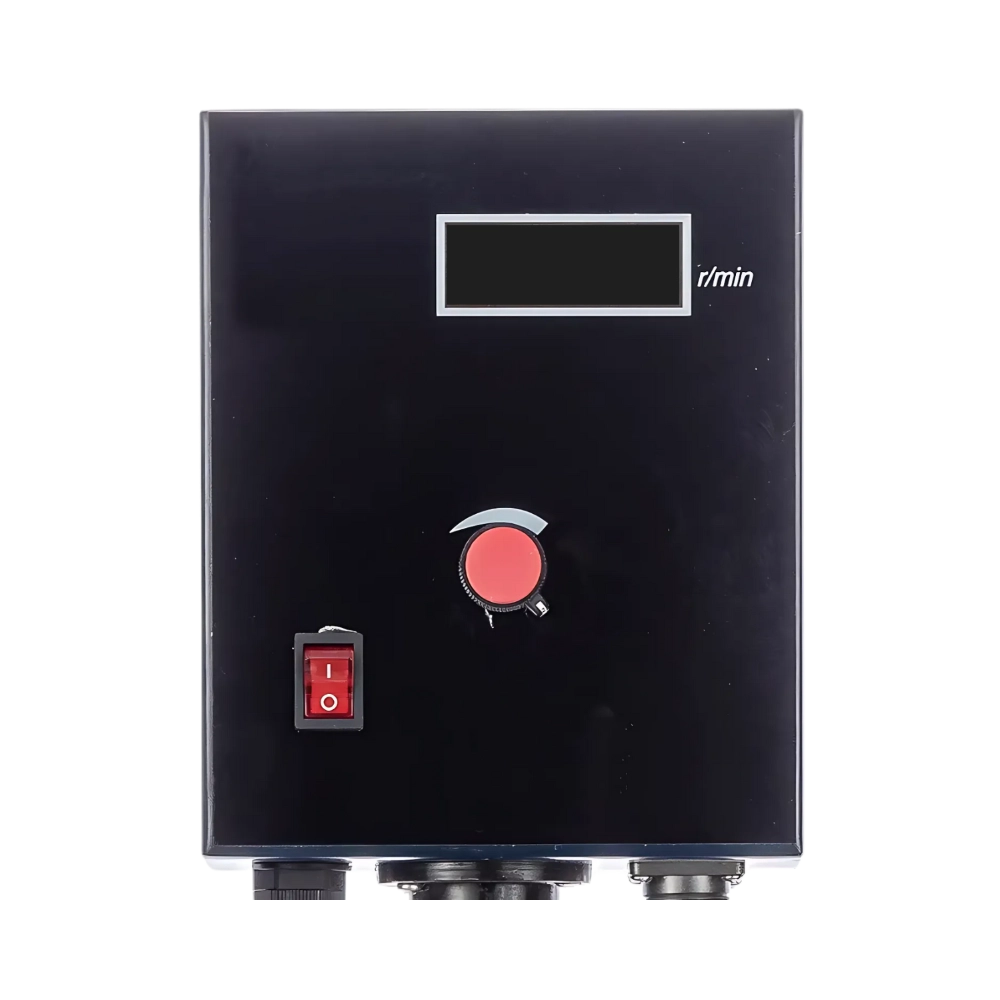
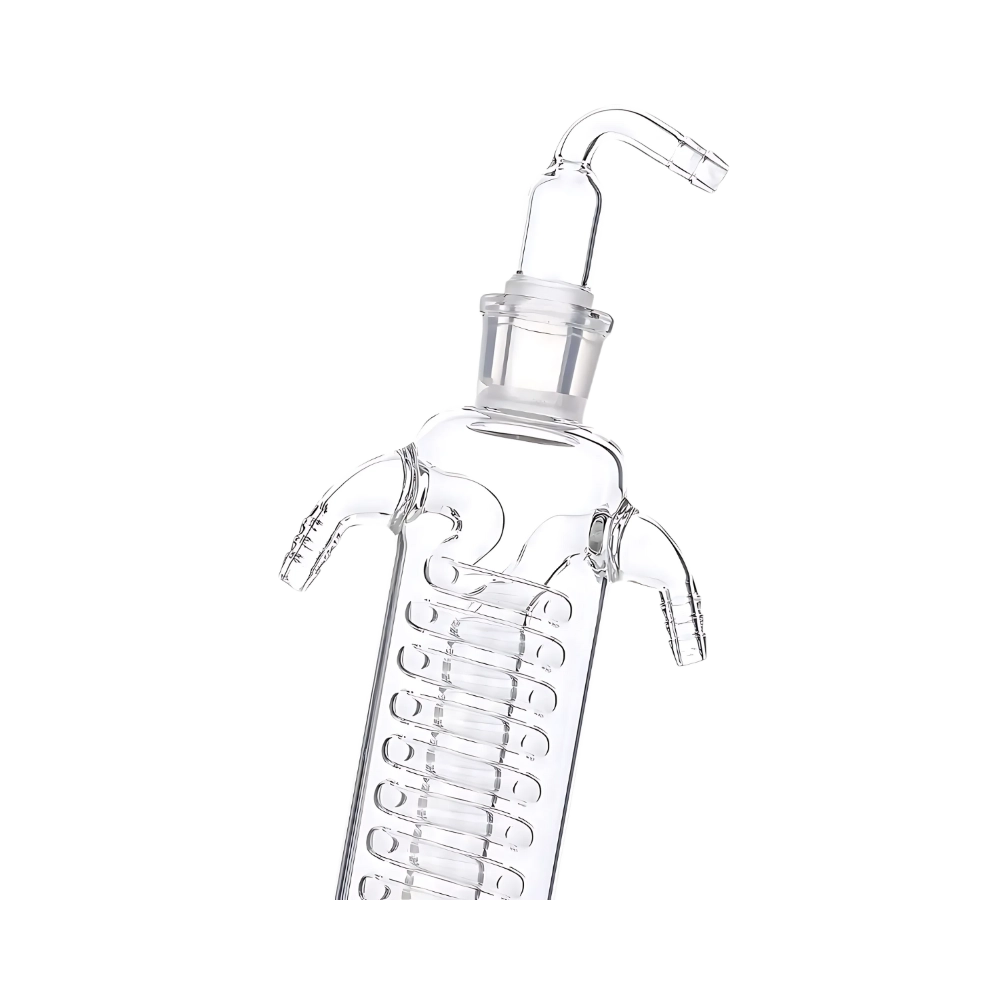
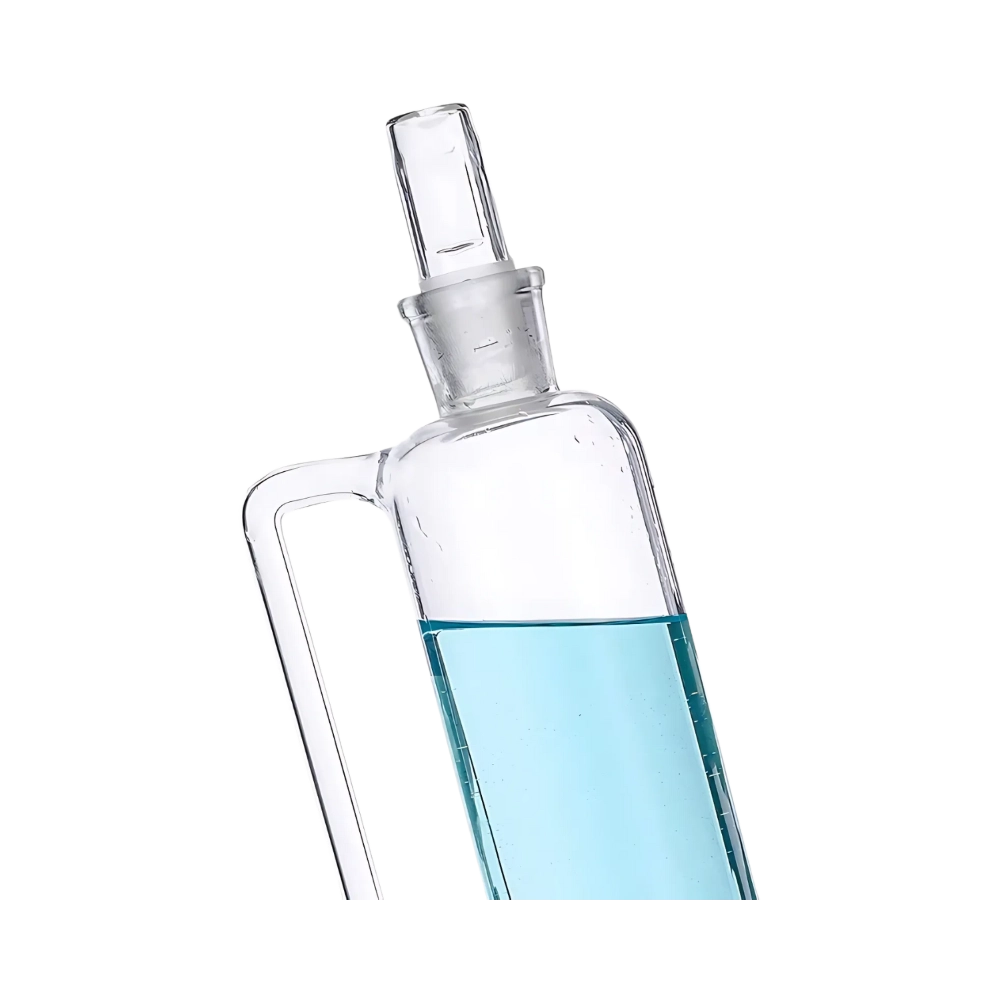
Single Layer Glass Reactor LMSLR-B102 is designed to offer 3-liter capacity. It features temperature sensor port for real-time monitoring of internal reactor conditions. It features vacuum gauge for clear and reliable pressure evaluation. Incorporates speed regulator for adjusting motor speed as per process requirements. Our Reactor is ideal for synthesis, reaction, evaporation, mixing, and distillation in biomedicine and environmental research.
Specifications
| Capacity | 3 L |
| Temperature Range | -80 to 250°C |
| Bath Temperature Range | RT to 180°C |
| Temperature Measurement Accuracy | ±1°C |
| Vacuum Degree | 0.098 MPa |
| Dropping Funnel Volume | 500 ml |
| Rotation Speed Range | 0 to 800 rpm |
| Stirring Motor Power | 90W |
| Heating Power | 1.5kW |
| Glass Vessel Diameter | 195 mm |
| Dimensions (W×D×H) | (430 to 1030)×330×1100 mm |
| Weight | 23 Kg |
Pricing
| Product | Price | Unit | Action |
|---|---|---|---|
| Single Layer Glass Reactor LMSLR-B102 | $ 2550 | Each of 1 |
Features
Double seal system
Low noise operation
Cooling water inlet
Uniform stirring paddle
Stable bottom base
Air nozzle connection
Applications
Single Layer Glass Reactor LMSLR-B102 is ideal for synthesis, reaction, evaporation, mixing, and distillation in chemical engineering, pharmaceuticals, biomedicine, environmental research, metallurgy, and aerospace sectors.
Similar Products

$ 2975 / Each of 1

$ 4631.25 / Each of 1

$ 8900 / Each of 1
$ 3825 / Each of 1

$ 2412.5 / Each of 1

$ 3337.5 / Each of 1
$ 3800 / Each of 1
$ 4000 / Each of 1

$ 3962.5 / Each of 1

$ 5525 / Each of 1

$ 3900 / Each of 1
$ 2650 / Each of 1

$ 17425 / Each of 1

$ 2325 / Each of 1

$ 6087.5 / Each of 1
Frequently Asked Questions
1 What is a Single Layer Glass Reactor?
A Single Layer Glass Reactor is an apparatus designed for chemical reactions with a single-layer wall for clear visibility and chemical resistance.
2 How is temperature controlled in Single Layer Glass Reactor?
Temperature control is typically achieved through external jackets or immersion in temperature-controlled baths, ensuring precise reaction conditions.
3 Can Single Layer Glass Reactor be used for pharmaceutical synthesis?
It is widely used in pharmaceutical synthesis for precise control and monitoring of chemical reactions.
4 Is Single Layer Glass Reactor suitable for polymerization processes?
It is ideal for polymerization due to its chemical resistance and ability to maintain controlled reaction environments.
5 Can Single Layer Glass Reactor be used for crystallization applications?
It is commonly employed in crystallization to observe crystal formation clearly and maintain proper reaction conditions.
6 Is Single Layer Glass Reactor used in research and development labs?
It is a standard tool in R&D labs for experimental reactions and process optimization.
7 Is Single Layer Glass Reactor used for food and flavor industry applications?
It is used in the food and flavor industry for controlled reaction processes and product development.
8 Can Single Layer Glass Reactor be used for catalyst testing?
It is commonly used for catalyst testing due to its transparent design, allowing observation of catalytic reactions.
9 Can Single Layer Glass Reactor be used in environmental testing applications?
It is often used in environmental labs for testing reactions related to pollution control and remediation.
10 Is Single Layer Glass Reactor used for quality control testing in manufacturing?
It is used in quality control to simulate and monitor chemical processes for consistency.