
Get Quote
Contact us now to receive a detailed quotation.
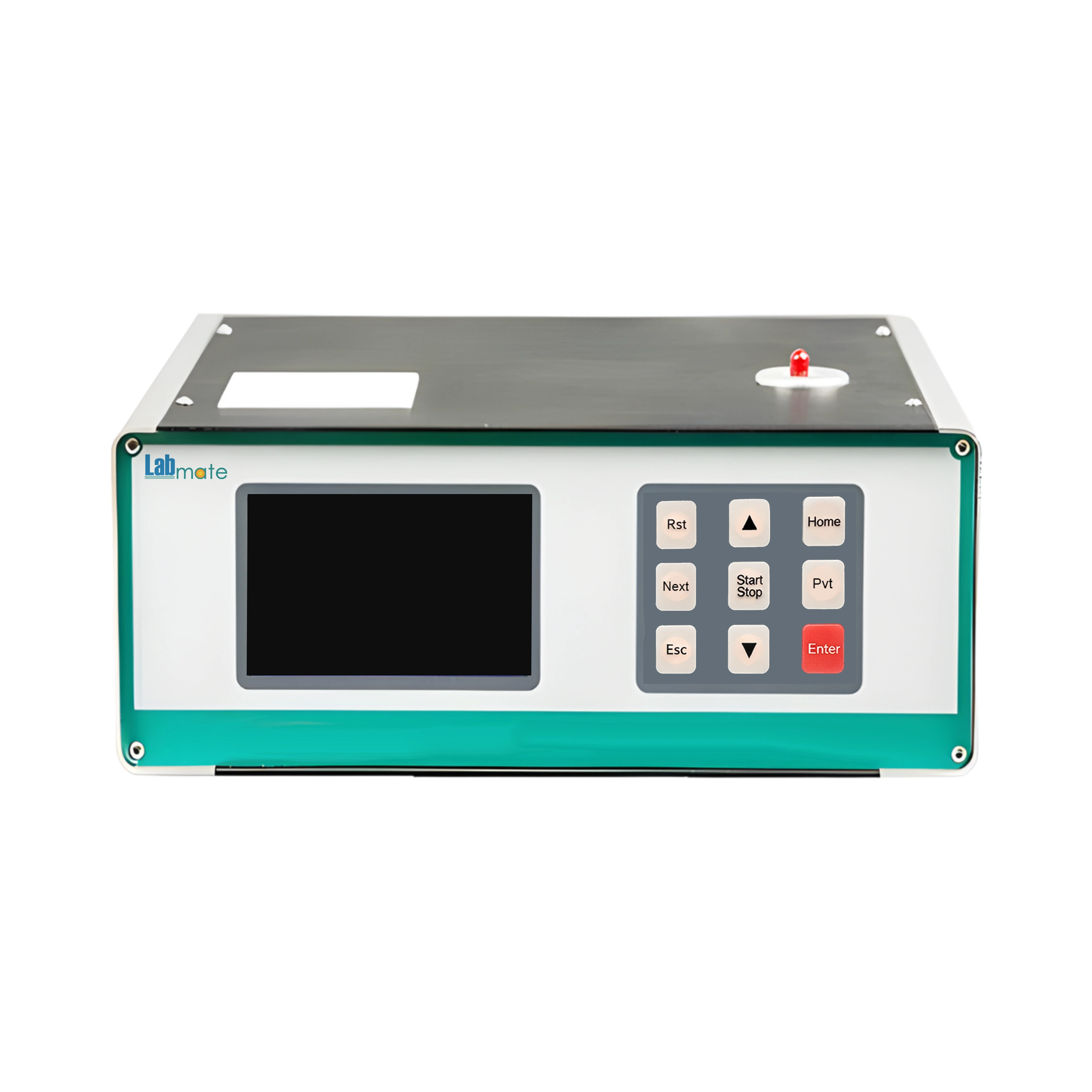
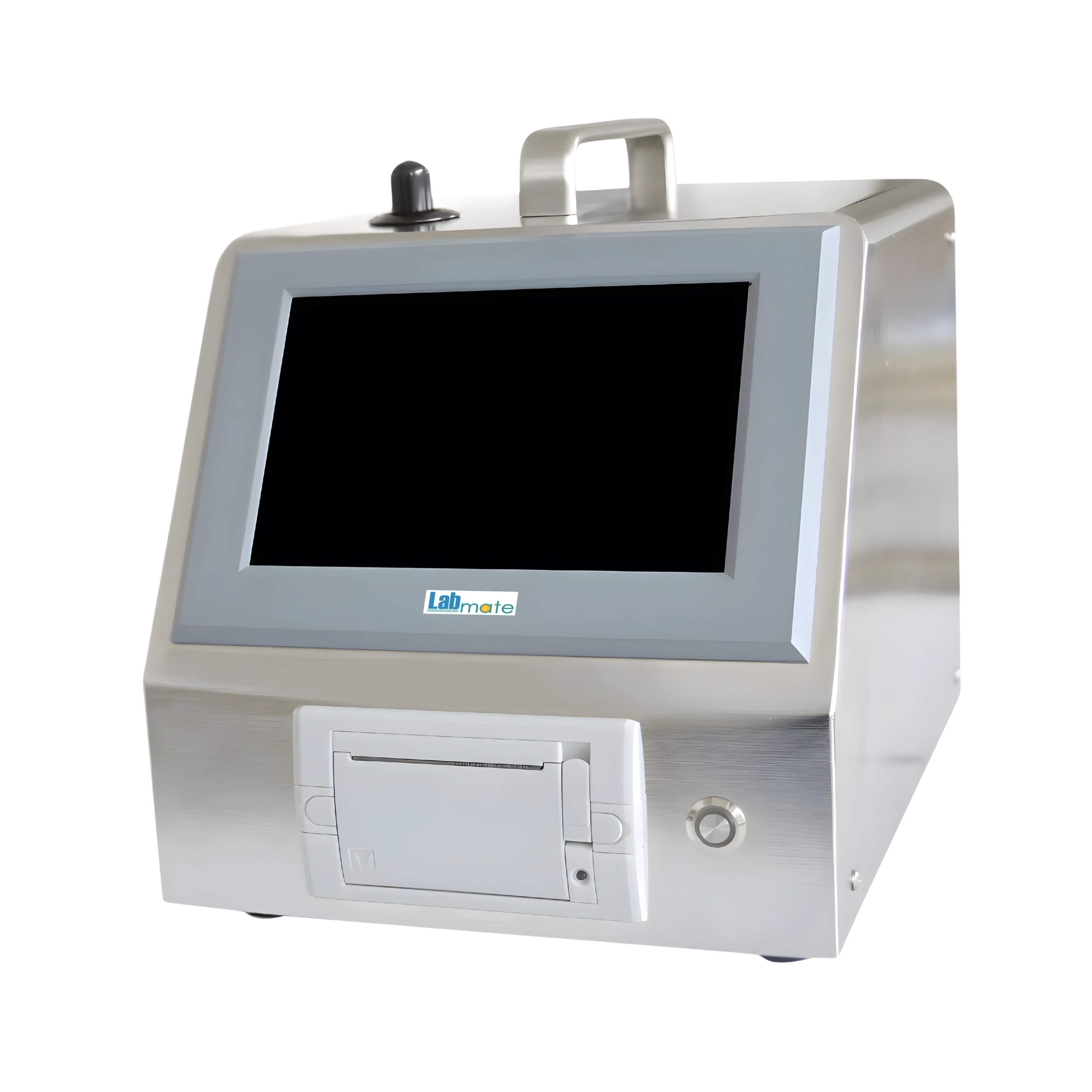
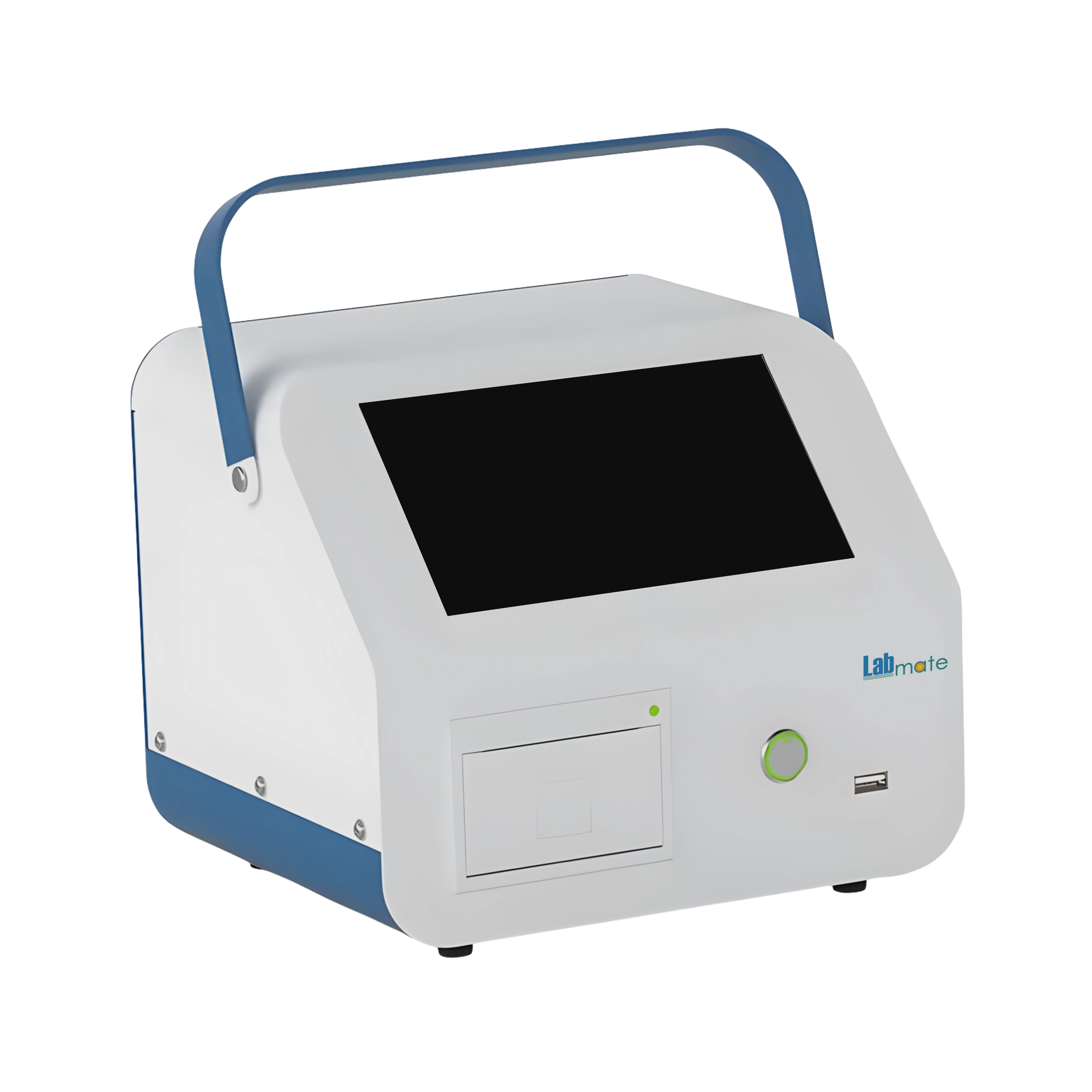
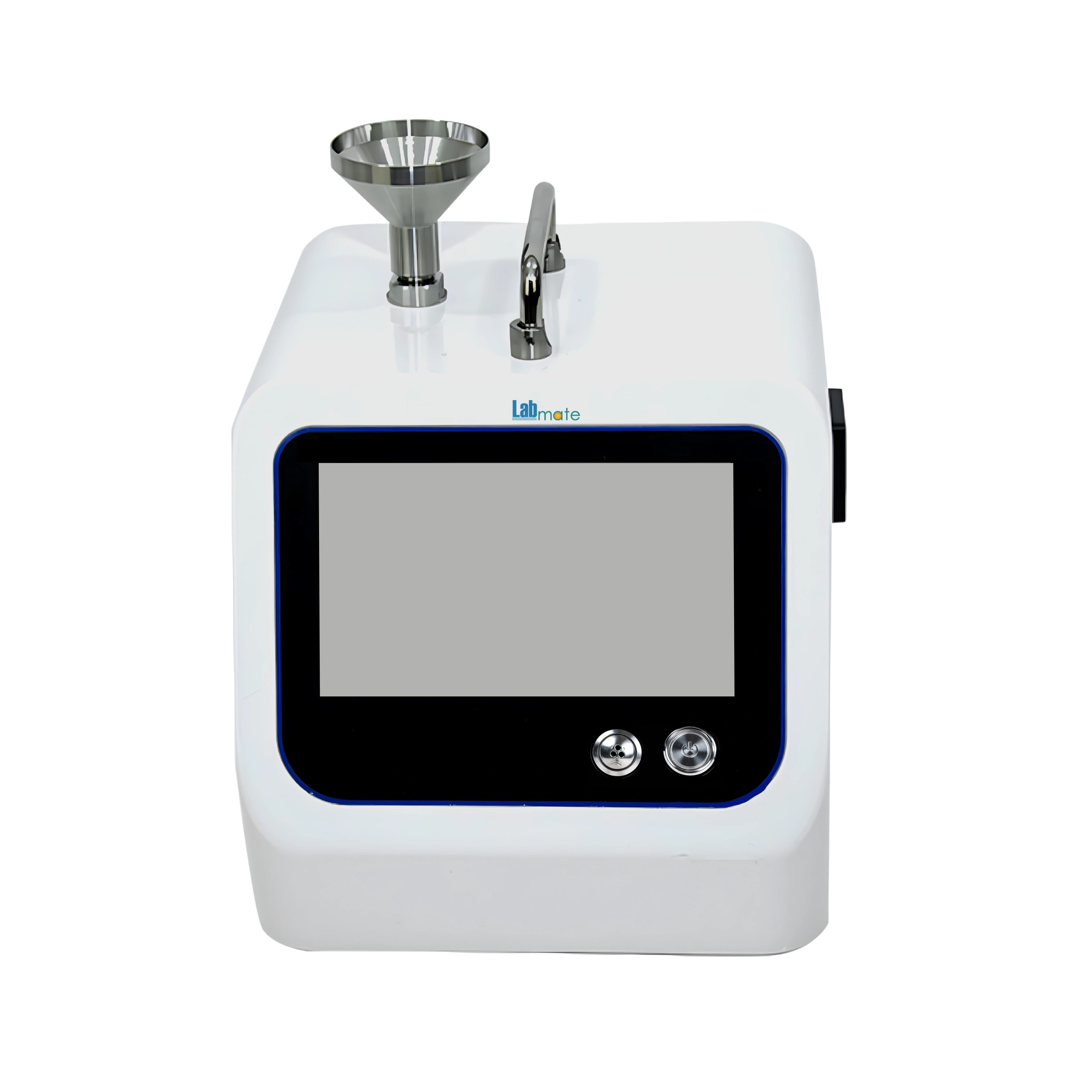
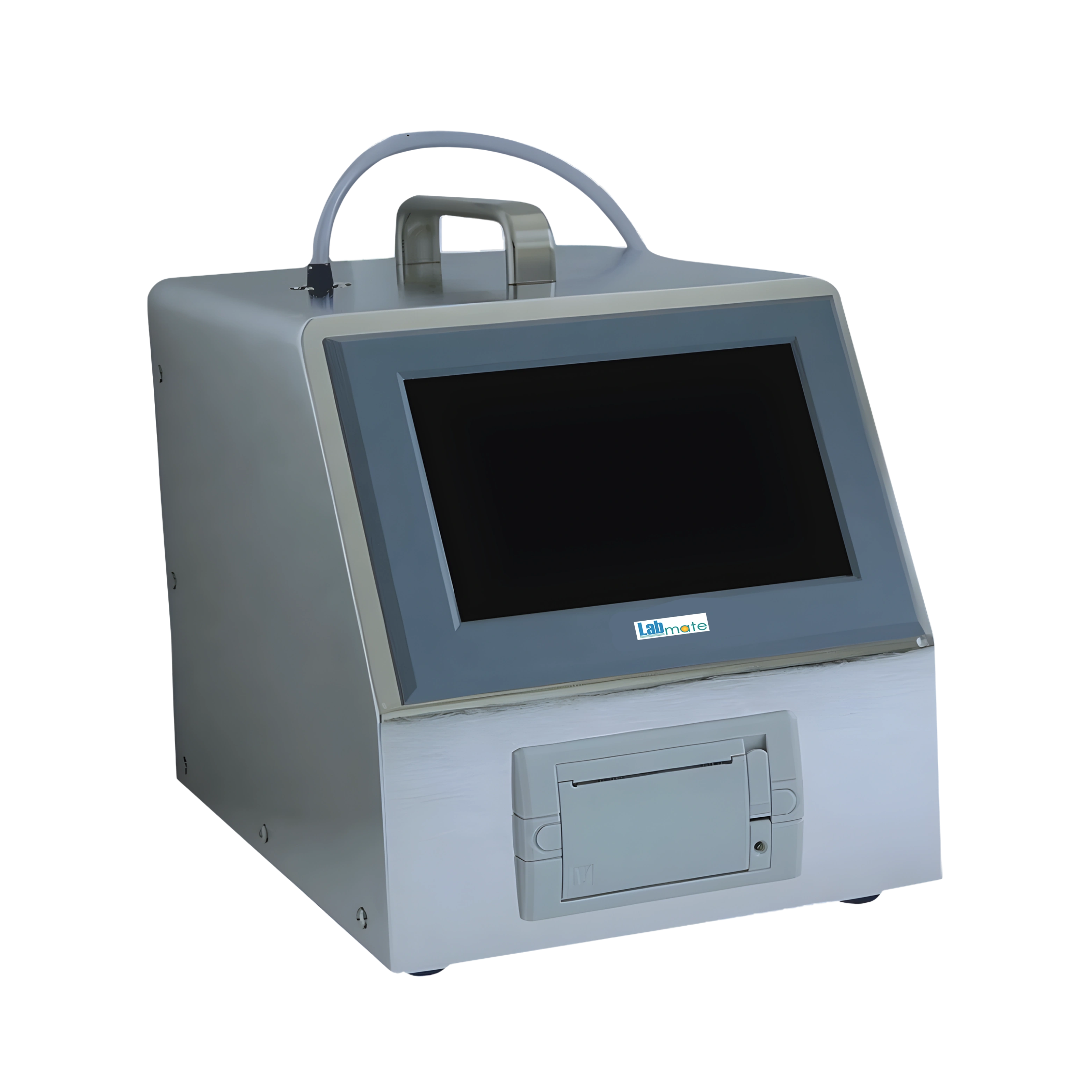
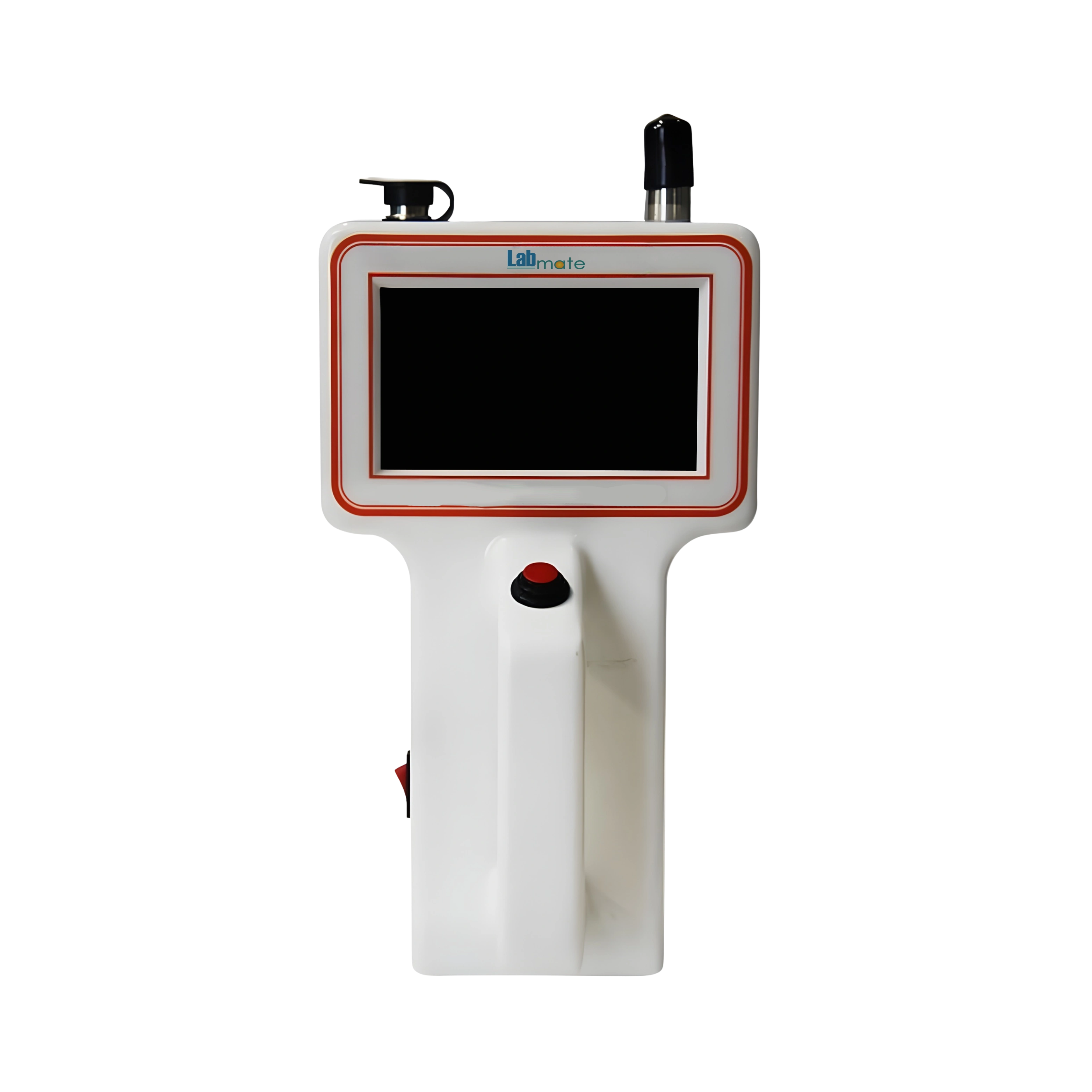
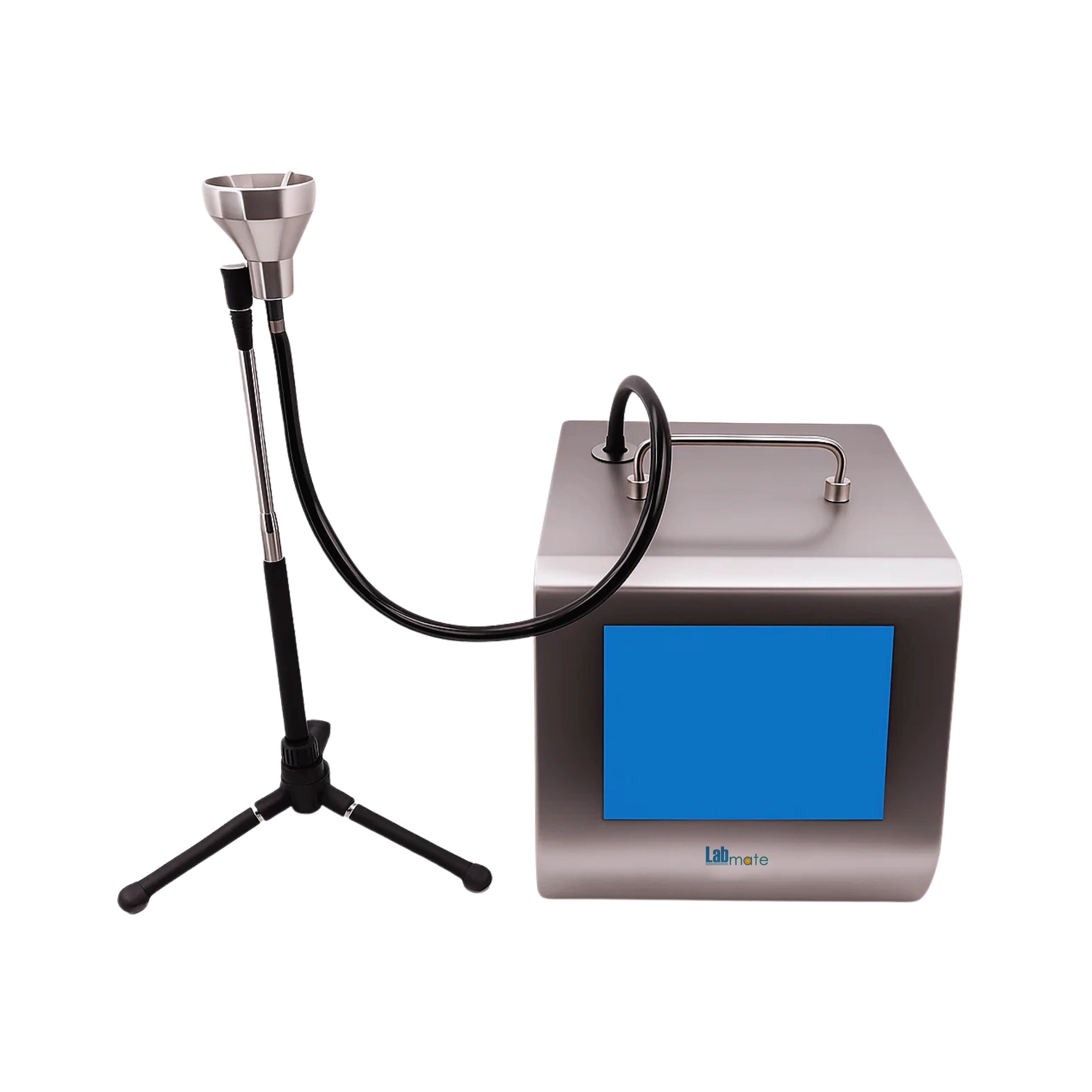
A portable airborne particle counter counts and sizes airborne particles. The counter shows results in real time, in a cleanroom or at a filter. This laser particle counter senses each particle with a laser diode. Size channels start at 0.3 um on most models. Sample flow runs from 0.1 CFM on low-flow units to about 3.5 CFM on the highest. Several models run on a Li-ion battery for more than 4 hours, and one runs for 8 hours. One model has a built-in thermal printer, and one has a touch display. Cleanrooms, pharmaceutical plants, semiconductor lines and food processing areas use these counters to track particle levels. HVAC teams use them to test HEPA and ULPA filters.
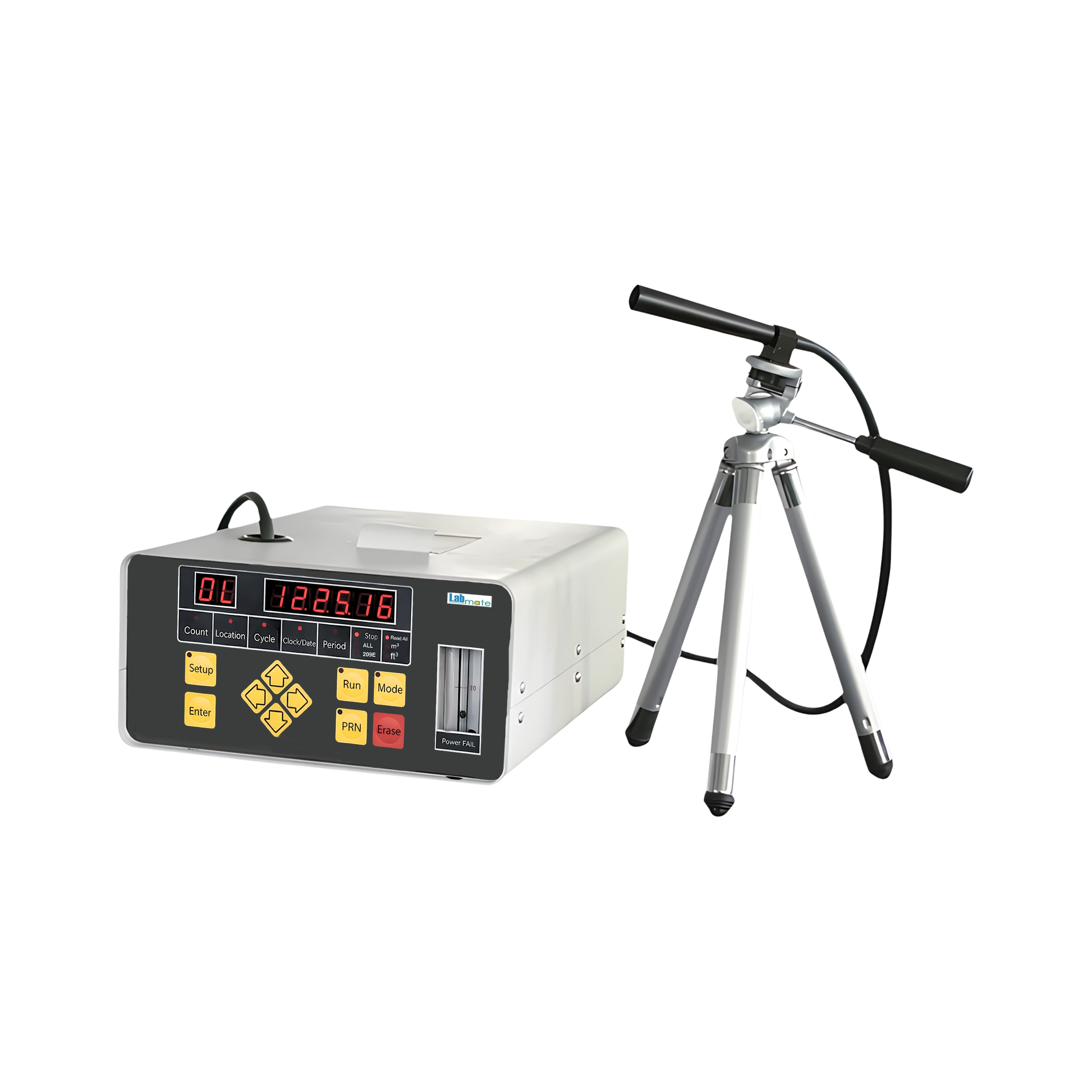
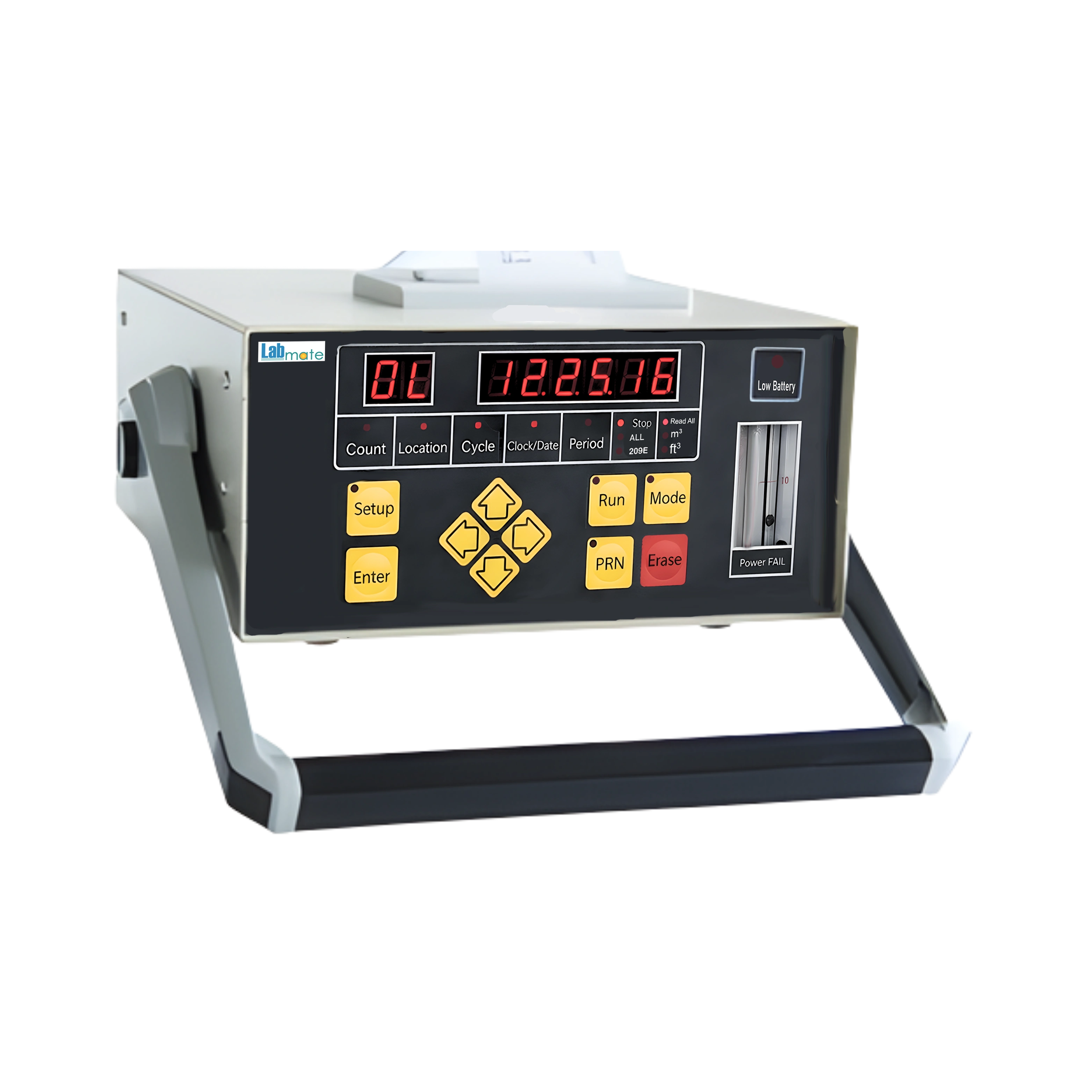
$ 5800 / Each of 1
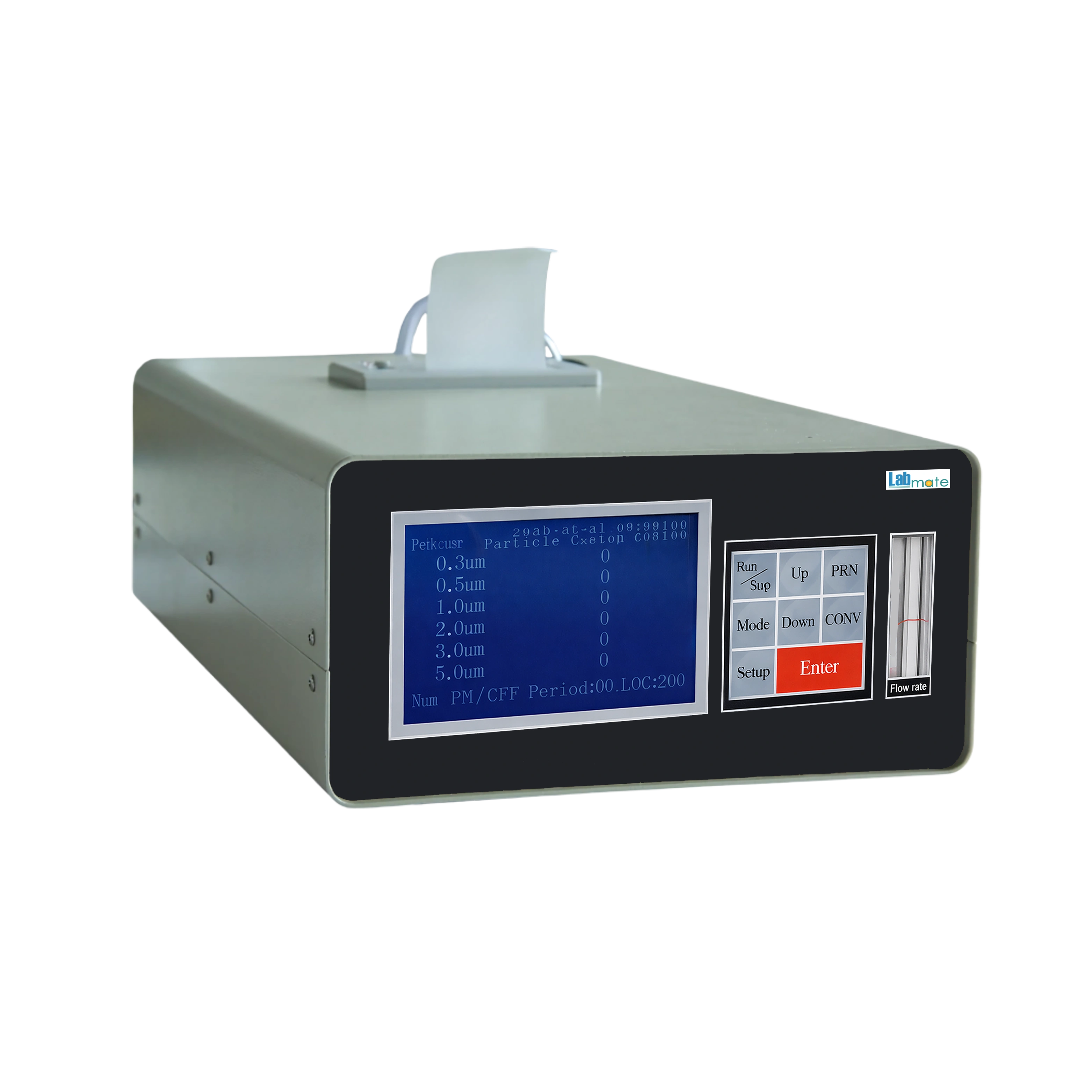
$ 4212.5 / Each of 1
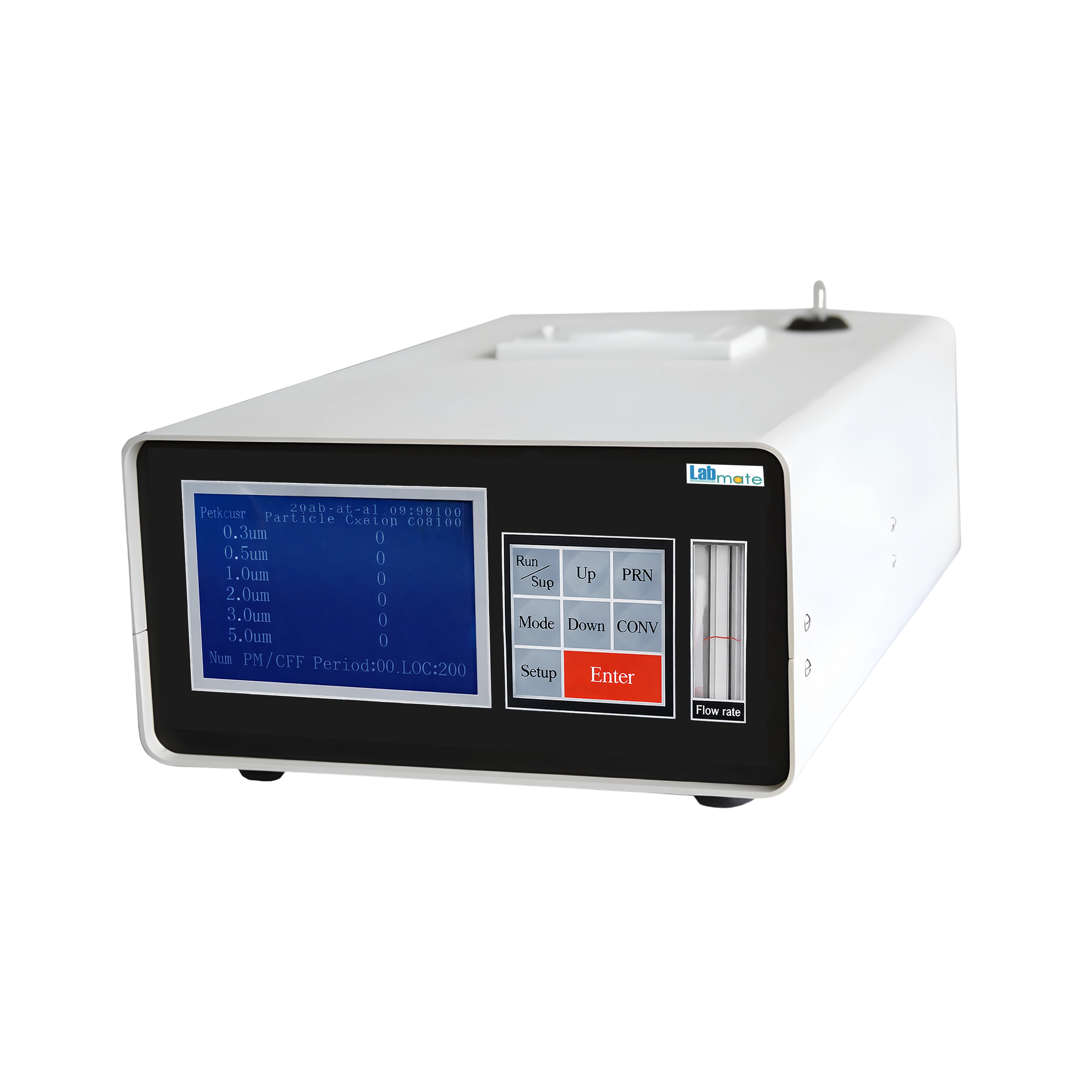
$ 4725 / Pack of 1
$ 13375 / Pack of 1
$ 3400 / Each of 1
$ 8050 / Pack of 1
$ 5075 / Pack of 1
$ 12850 / Pack of 1
Selection Guide for Portable Airborne Particle Counter
When selecting Portable Airborne Particle Counter, the most important consideration is the particle size detection range, as it determines the device’s suitability for different applications. The majority of counters are designed to detect particles ranging from 0.3 to 10 micrometers, which is well suited for cleanroom monitoring, HVAC systems, and contamination control in industries like pharmaceuticals and semiconductors. Some models provide a broader range, starting from 0.1 micrometers for more sensitive environments, while others may focus on larger particles, starting at 0.5 or 1.0 micrometers for less critical air quality monitoring. Customers should also consider the number of size channels the device can measure, its airflow rate (commonly 0.1 CFM), and features like data storage and battery life. Understanding the specific particle sizes applicable to their industry standards and regulatory requirements helps ensure the selected particle counter meets their monitoring needs effectively.
Frequently Asked Questions
1 What is a Portable Airborne Particle Counter?
A Portable Airborne Particle Counter is a mobile apparatus designed to detect and count the number and size of particles suspended in the air.
2 How does a Portable Airborne Particle Counter work?
It works by sampling air and detecting particles as they pass through a laser beam, measuring their size and quantity.
3 Can environmental conditions affect Portable Airborne Particle Counter?
High humidity and extreme temperatures can affect its readings or damage sensitive internal components.
4 What kind of maintenance does Portable Airborne Particle Counter require?
Regular maintenance includes cleaning of the apparatus, storing it properly and calibrating it annually for accurate performance.
5 Can Portable Airborne Particle Counter detect smoke or pollution?
It can detect fine particulates in smoke and pollution.
6 Can Portable Airborne Particle Counter be used in a cleanroom?
It is widely used in cleanroom environments.
7 Can Portable Airborne Particle Counter be used in a manufacturing facility?
It is commonly used in electronics, pharmaceuticals, food processing and other controlled manufacturing environments to ensure air cleanliness.
8 Can Portable Airborne Particle Counter be used to validate HEPA filters?
It is commonly used during HEPA/ULPA filter integrity testing.
9 Can Portable Airborne Particle Counter be used to measure air cleanliness in laboratories?
It is commonly used in laboratory environments in order to ensure that airborne particle levels comply with cleanliness standards necessary for research and testing.
10 Can Portable Airborne Particle Counter be used to measure air quality in vehicles?
It is suitable for measuring particulate pollution in vehicles.