
Get Quote
Contact us now to receive a detailed quotation.
Specifications
| Sample Volume | 25 ml |
| Processing Rate | 60 to 90 Seconds/per test |
| Fat Content | 0.01 to 25 % ± 0.10 % |
| Solids-Non-Fat (SNF) Content | 3 to 15 % ± 0.15 % |
| Density | 1015 to 1040 kg/m³ ± 0.3 kg/m³ |
| Protein Content | 2 to 7 % ± 0.15 % |
| Lactose Content | 0.01 to 6 % ± 0.20 % |
| Water Content | 0 to 70 % ± 3.0 % |
| Salt Content | 0 to 1.5 % ± 0.05 % |
| Controller | Microprocessor |
| Temperature Range | 20˚C to 35˚C |
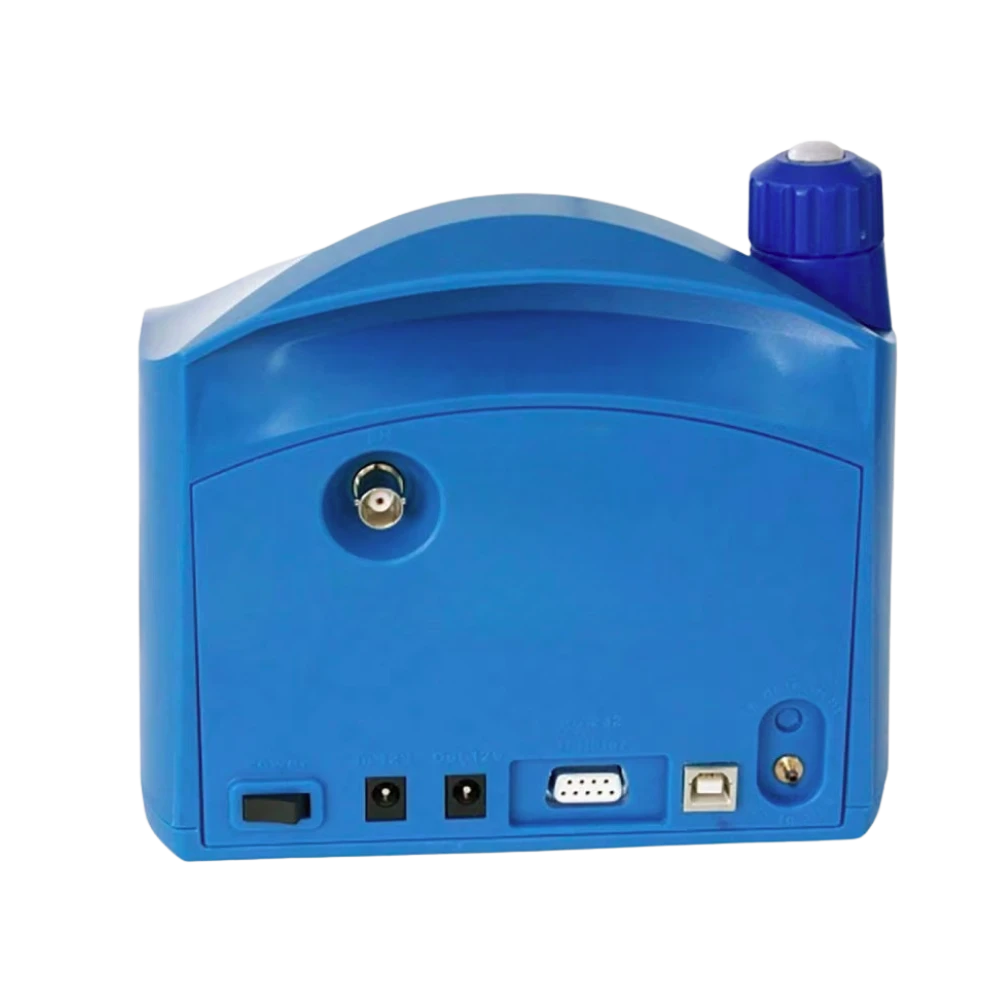
| Interface | RS 232 |
| Power Consumption | 36 to 42 W |
| Dimensions | 175×175×150 mm |
Pricing
| Product | Price | Unit | Action |
|---|---|---|---|
| Milk Analyzer LMMIA-A100 | $ 1698.75 | Each of 1 |
Features
Fat Content
0.01 to 25 percent range
Protein Content
2 to 7 percent range
Lactose Content
0.01 to 6 percent range
Density
1015 to 1040 kilograms per cubic meter
Solids Non Fat
3 to 15 percent range
Test Time
60 to 90 seconds per test
Microprocessor Control
Runs the analyzer
RS 232 Interface
Data connection port
Standard Accessories
| Accessory Name | Quantity | Unit |
| 12 V DC Power Supply Cable | 1 | Piece |
| RS232 connection line | 2 | Pieces |
| Alkaline cleaning solution Lacto daily | 1 | Piece |
| Acidic cleaning solution Lacto weekly | 1 | Piece |
Optional Accessories
Printer
Applications
Applications: Milk Collection Centers | Chilling Centers | Testing Labs | Dairy Farms | Processing Plants
Functions: Milk Composition Testing | Quality Control
Selection Guide
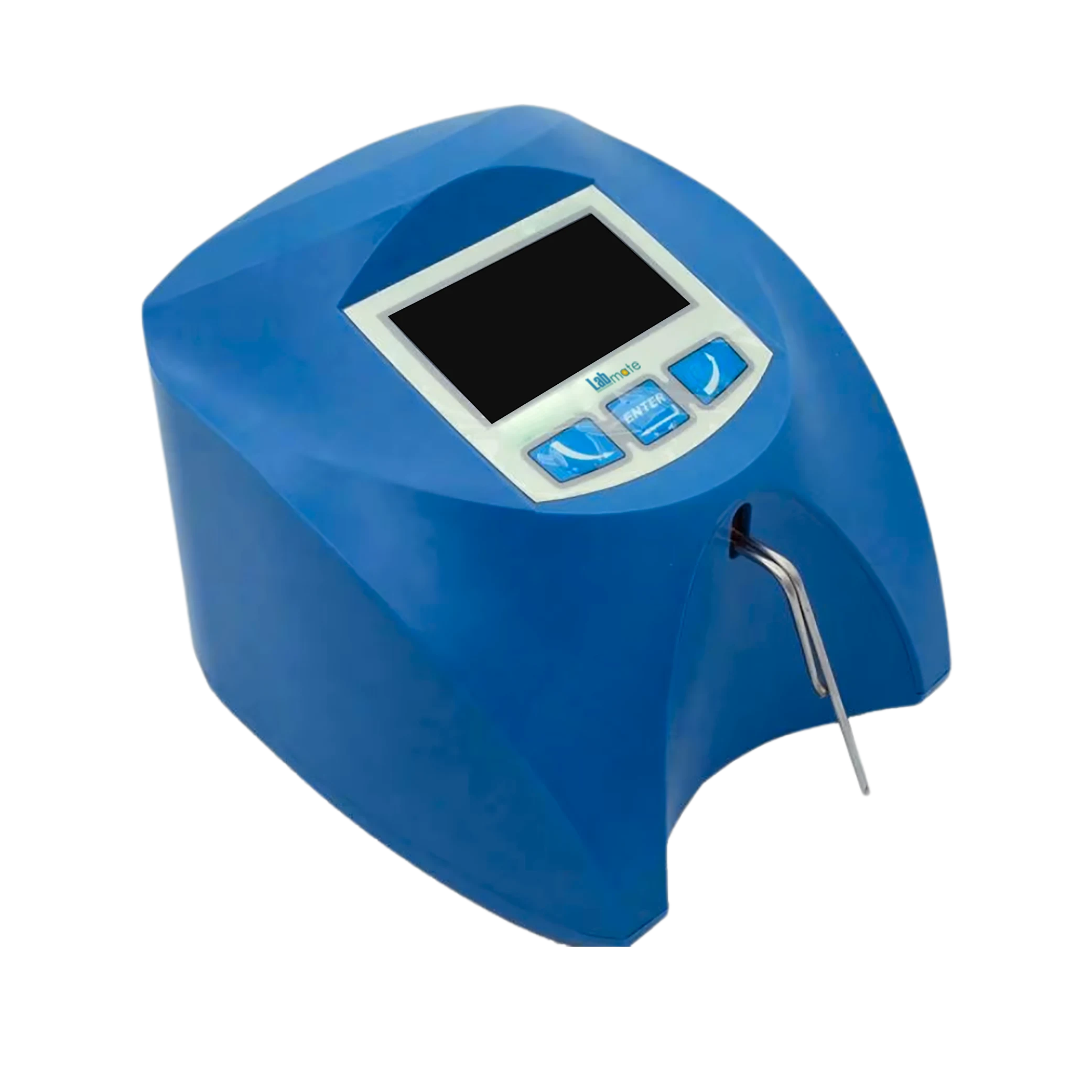
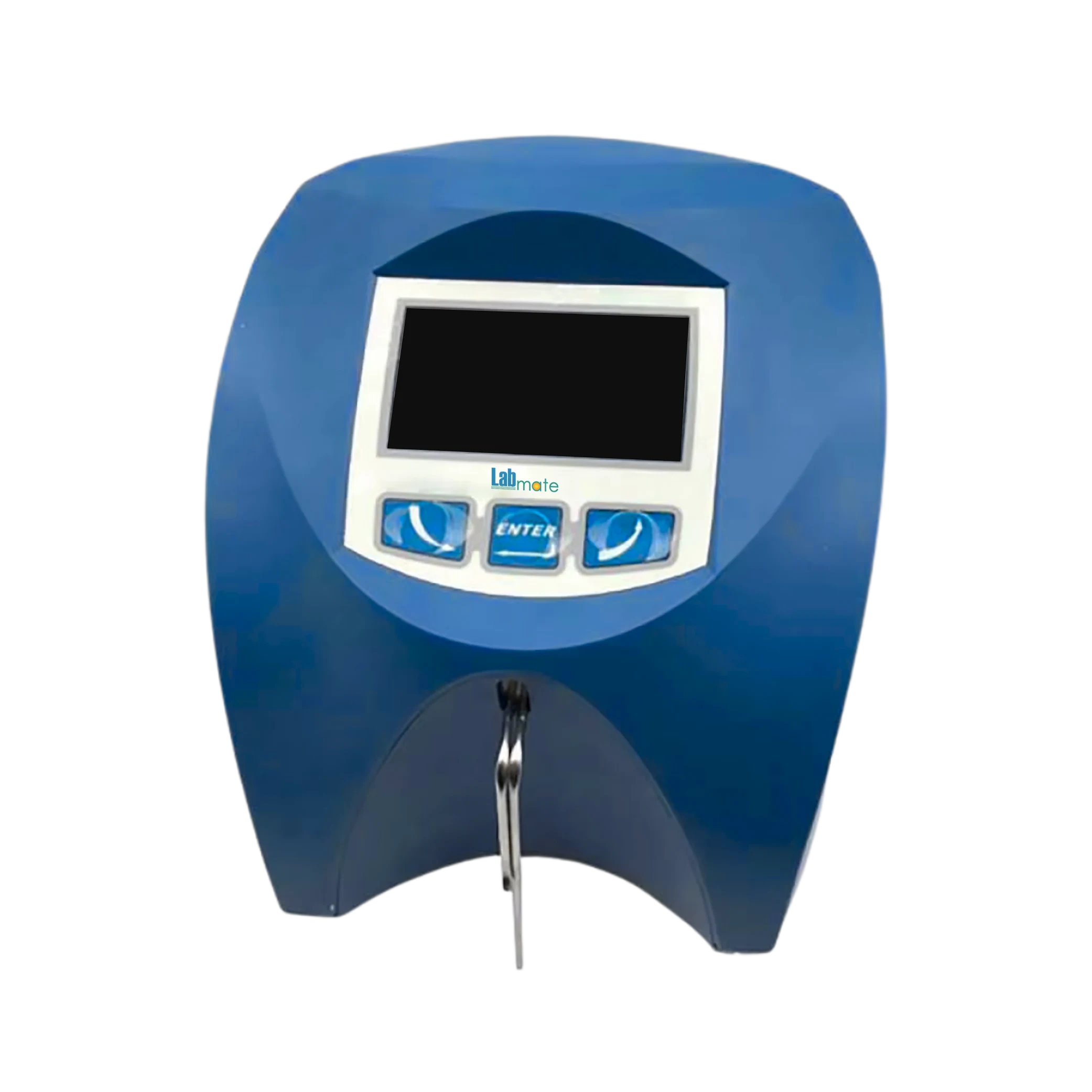
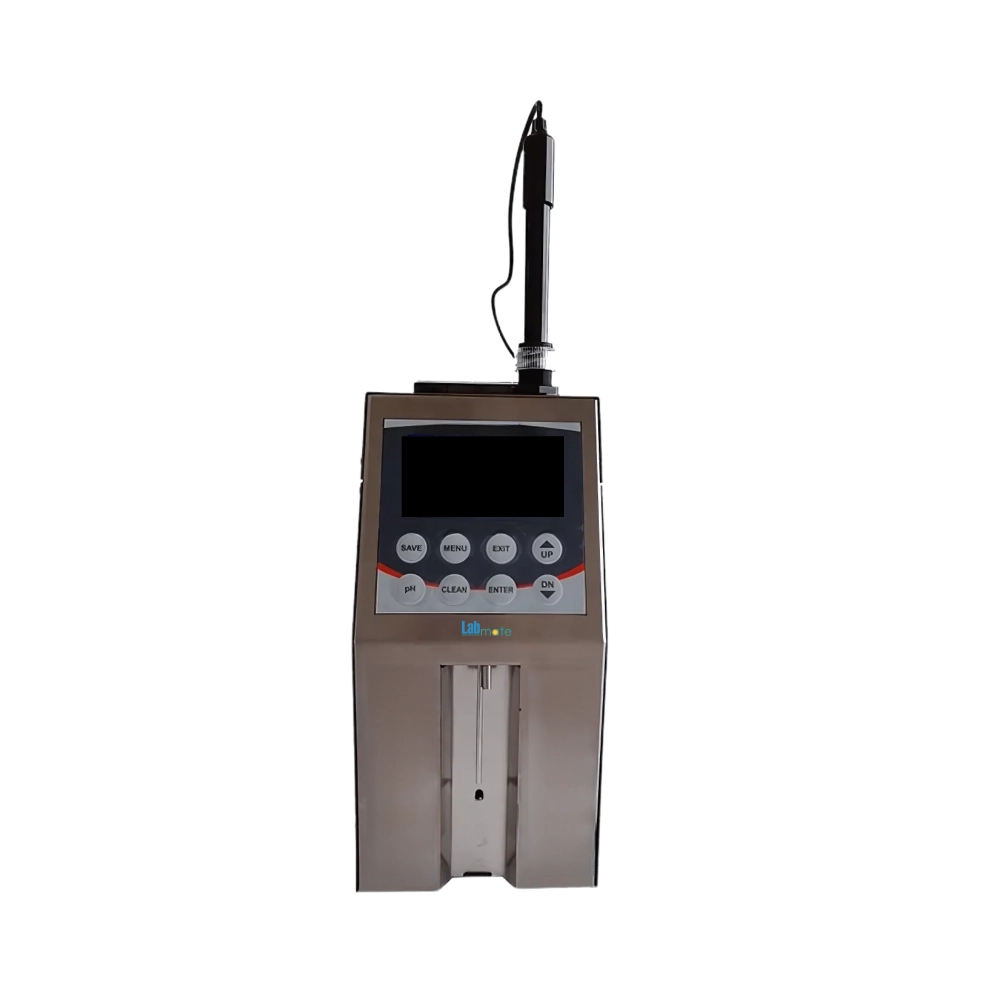
Milk Analyzer LMMIA-A100 is a compact and highly efficient device designed for quick and accurate analysis of milk composition, making it suitable for dairy farms, milk collection centers, research institutions, and quality control laboratories. Requiring only 25 ml of sample, it delivers results within 60 to 90 seconds per test, enhancing productivity without sacrificing accuracy. The analyzer measures fat content in the range of 0.01% to 25% with a high precision of ±0.10%, and solids-non-fat (SNF) content from 3% to 15% with an accuracy of ±0.15%, ensuring reliable data for nutritional analysis and product standardization. Its use in various studies and experiments validates its performance across diverse milk types and testing environments. Additionally, the analyzer complies with industry standards and certifications, providing confidence in its analytical capabilities and making it a valuable tool for routine testing and research applications.
Similar Products
$ 2475 / Each of 1
Frequently Asked Questions
1 What is a Milk Analyzer?
A Milk Analyzer is an apparatus designed to measure and evaluate the composition and quality of milk.
2 How does a Milk Analyzer work?
It works on the principle of different technologies such as infrared spectroscopy, ultrasonic sensors and density measurement to analyze the chemical composition of milk.
3 Why is Milk Analysis using Milk Analyzer Important?
It is necessary in order to ensure that the milk meets quality standards and is safe for consumption.
4 What parameters can be measured using Milk Analyzer?
It can measure a variety of parameters such as fat content, protein content, lactose levels, total solids, density, pH levels, Somatic Cell Count (SCC) and water content.
5 Can Milk Analyzer detect adulteration?
It is commonly used to detect adulterants such as water, starch, urea and detergents added to milk.
6 What kind of maintenance does Milk Analyzer require?
Routine maintenance includes regular calibration, proper cleaning of sample containers as well as periodic checks for wear and tear.
7 Is Milk Analyzer suitable for large-scale dairy operations?
It is engineered for both small-scale and large-scale operations.
8 Can Milk Analyzer be used for testing milk quality in milk processing plants?
It is widely used in milk processing plants in order to ensure that the milk meets required standards for fat, protein and other components before being processed into dairy products.
9 Can Milk Analyzer be used in research environment?
It is used in research for studying milk composition, developing new dairy products and exploring the nutritional aspects of milk and dairy farming.
10 Is Milk Analyzer affected by temperature?
Temperature influences the accuracy of measurements in case of fat content, protein and other components.