

Get Quote
Contact us now to receive a detailed quotation.
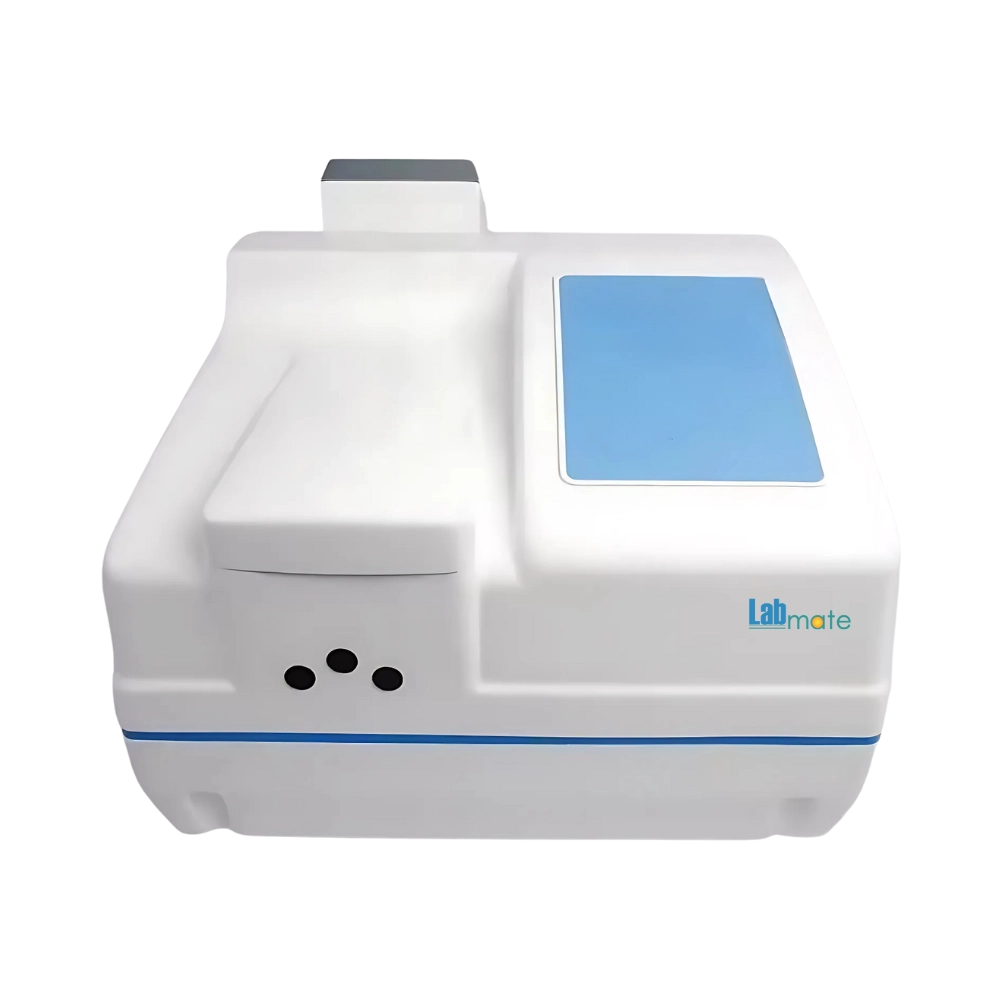
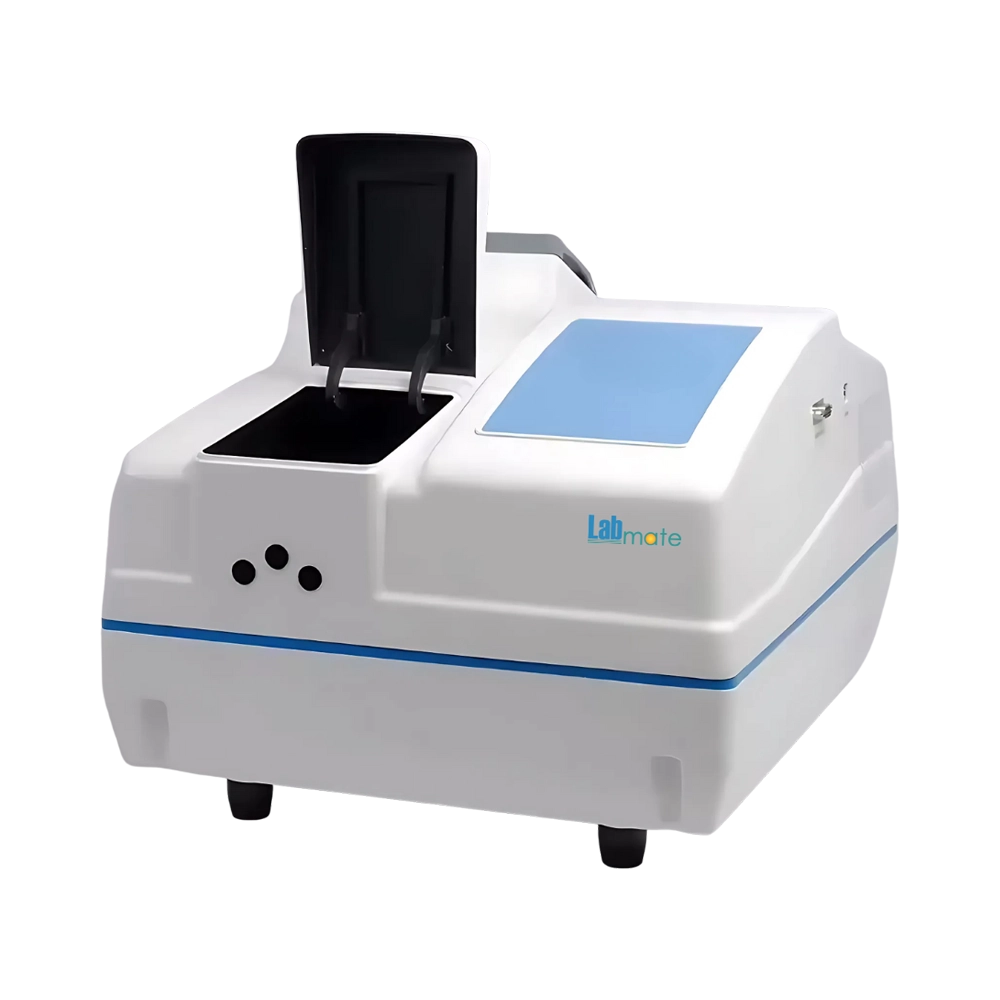
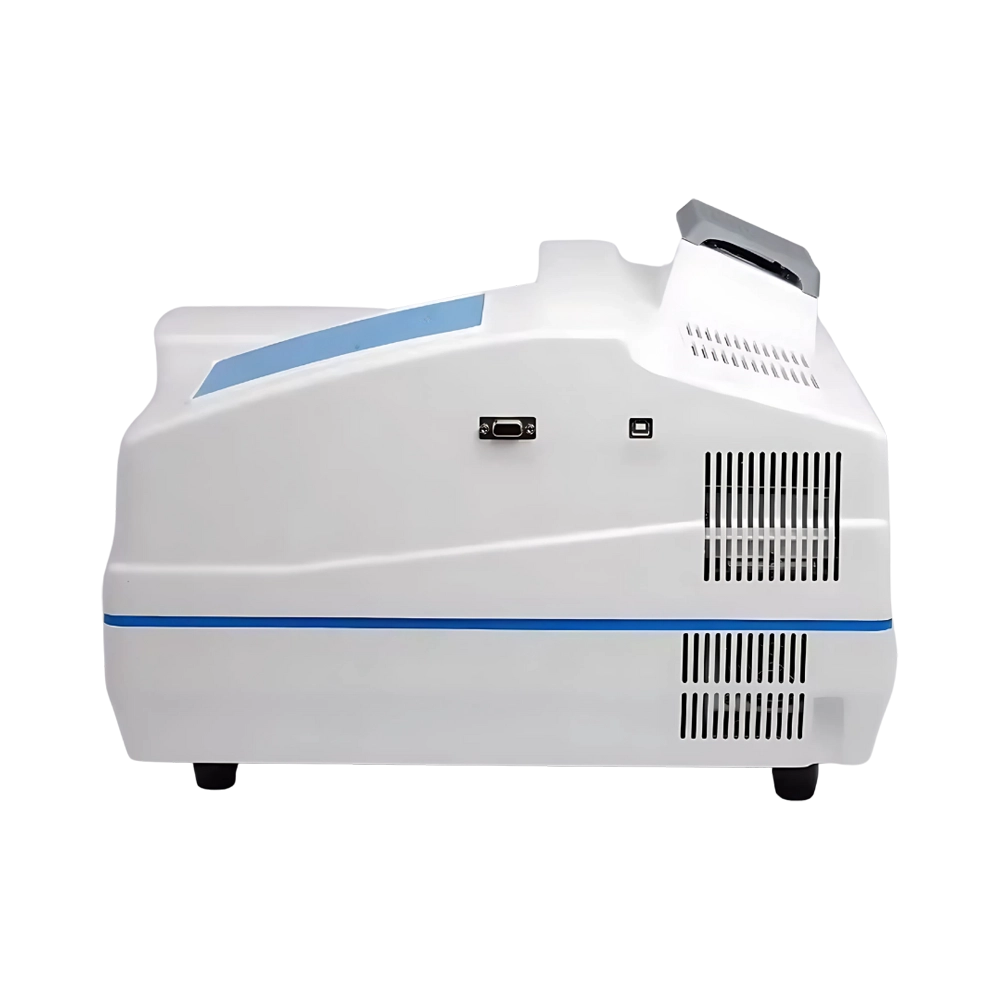
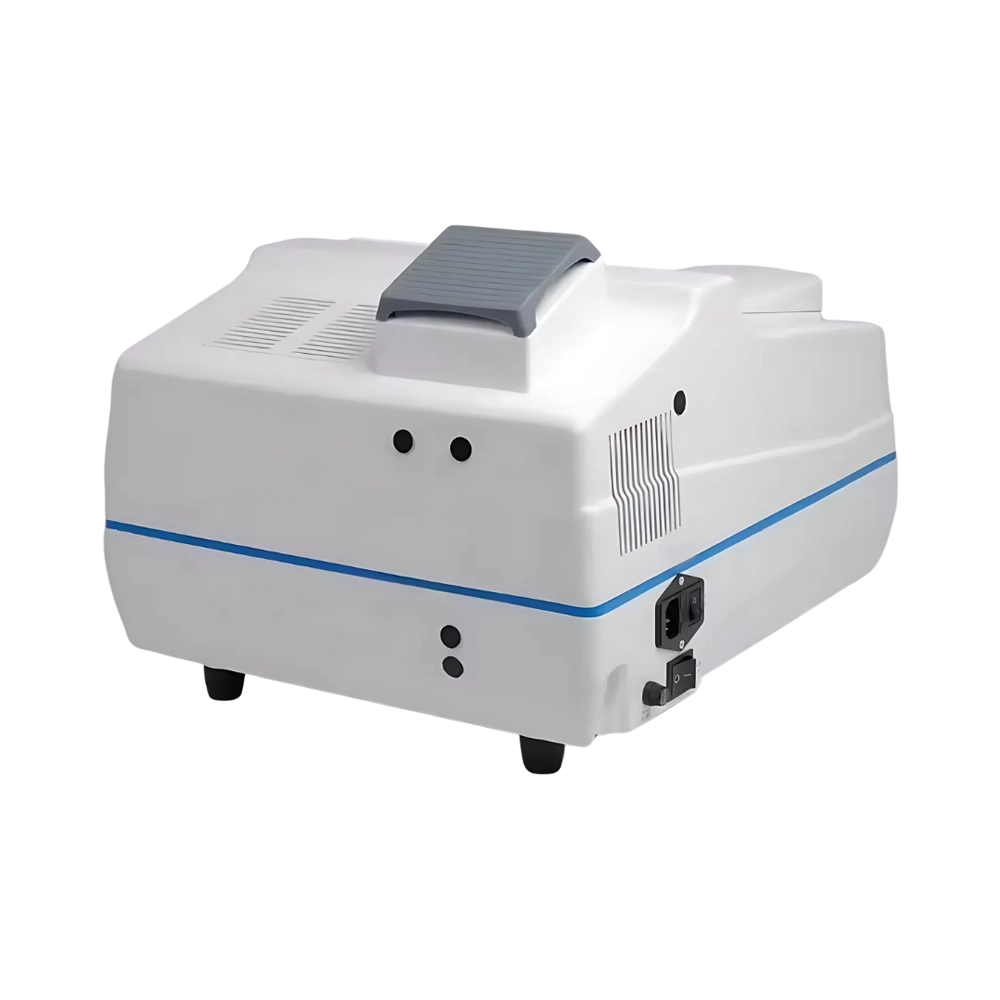
Fluorescence Spectrophotometer LMFSP-A101 provides excitation and emission wavelengths from 200nm to 900nm. It offers scanning speeds up to 48,000nm/min for efficient result acquisition. It features a detection limit as low as 1×10⁻¹⁰ g/ml with quinine sulfate solution, identifying minute traces. Built with a 150W xenon lamp for stable and intense light emission for luminescence. Our Fluorescence Spectrophotometer ensures easy data transmission via USB2.0 for seamless integration.
Specifications
| Excitation Wavelength | 200nm to 900nm |
| Emission Wavelength | 200nm to 900nm |
| Excitation Slit | 10nm |
| Emission Slit | 10nm |
| Wavelength Accuracy | ±0.1nm |
| Wavelength Repeatability | ±0.5nm |
| Detection Sensitivity | Signal-to-noise ratio greater than or equal to 150 |
| Measurement Source | Raman peak of water with a 10nm Slit |
| Wavelength Scanning Speed | Multi-speed Level, Maximum at 48000nm/min |
| Scanning mode | 3D |
| Photometric Quantity range | 0.00 to 10000.00 |
| Limit | Less than or equal to 1×10⁻¹⁰ g/ml (Quinine Sulfate Solution) |
| Light Source | 150W xenon lamp |
| Linearity | Greater than or equal to 0.995 |
| Stability | 10min, Zero Drift: ±0.3, Value Limit: ±1.5% |
| Peak Repeatability | Less than or equal to 1.5% |
| Data Transmission | USB2.0 |
| Power Consumption | 200W |
| Dimension | 380×445×310 mm |
Pricing
| Product | Price | Unit | Action |
|---|---|---|---|
| Fluorescence Spectrophotometer LMFSP-A101 | $ 13750 | Each of 1 |
Features
Higher Sensitivity
Advanced 3D Scanning
Wide Photometric Quantity
Low Power Consumption
Auto-Sampler Compatibility
Applications
Fluorescence Spectrophotometer LMFSP-A101 is essential for molecular luminescence analysis and food safety evaluation, including the detection of vitamin-C in dairy and aquatic samples, as well as monitoring selenium and aflatoxin residues.
Selection Guide
Fluorescence Spectrophotometer LMFSP-A101 is best suited for various research and analytical applications involving the detection of fluorescent compounds. It is widely used in biochemistry, environmental testing, pharmaceuticals, and material science, where accurate fluorescence measurements are critical. With an excitation and emission wavelength range of 200 nm to 900 nm, it supports a wide spectrum of analyses, including DNA/RNA quantification, protein studies, and fluorescence-based assays. The fixed 10 nm excitation and emission slit widths ensure consistent spectral resolution and sensitivity. Customers should consider this model for experiments requiring broad spectral coverage and reliable fluorescence detection. Certifications and performance standards make it suitable for regulated lab environments and academic research facilities.
Similar Products

$ 8775 / Each of 1

$ 29900 / Each of 1
Frequently Asked Questions
1 What is a Fluorescence Spectrophotometer?
A Fluorescence Spectrophotometer is an apparatus designed to measure the fluorescence emitted by a sample after it absorbs light of a specific wavelength.
2 How does a Fluorescence Spectrophotometer work?
It works by illuminating a sample with light, causing it to emit fluorescence, which is then measured to analyze the properties of the sample.
3 Can Fluorescence Spectrophotometer be used for quantitative analysis?
It can be used for quantitative analysis by measuring the fluorescence intensity of a sample and comparing it to a calibration curve created from standards with known concentrations.
4 How is Fluorescence Spectrophotometer used in biological research?
It is used in biological research to study molecular interactions, detect specific proteins, nucleic acids, and biomarkers, and analyze cellular processes in live or fixed samples.
5 Can Fluorescence Spectrophotometer be used for drug discovery?
It is commonly used in drug discovery to screen for potential drug candidates by monitoring interactions between compounds and biomolecules, such as proteins or DNA, in real time.
6 Can Fluorescence Spectrophotometer be used for environmental monitoring?
It is used to detect pollutants, toxins, and organic compounds in water, soil, and air samples by measuring their fluorescence properties.
7 What role does Fluorescence Spectrophotometer play in medical diagnostics?
It is used in medical diagnostics to detect specific biomarkers or disease-related molecules, helping in early disease detection and monitoring treatment progress.
8 Can Fluorescence Spectrophotometer be used in food and beverage analysis?
It is used in food and beverage analysis to detect contaminants, additives, and analyze the quality of substances like oils, proteins, and vitamins based on their fluorescence properties.
9 Can Fluorescence Spectrophotometer be used in forensic science?
It is used in forensic science to analyze trace evidence, such as bodily fluids, fibers, and chemicals, by detecting specific fluorescent markers in the samples.
10 What role does Fluorescence Spectrophotometer play in cellular imaging?
It is used in cellular imaging to analyze fluorescence emitted from specific cellular components, allowing researchers to study cellular structures, processes, and dynamics in live cells.