
Get Quote
Contact us now to receive a detailed quotation.
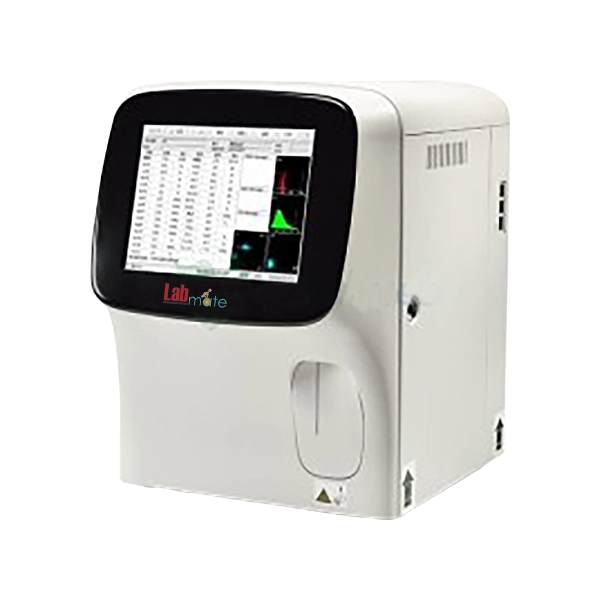
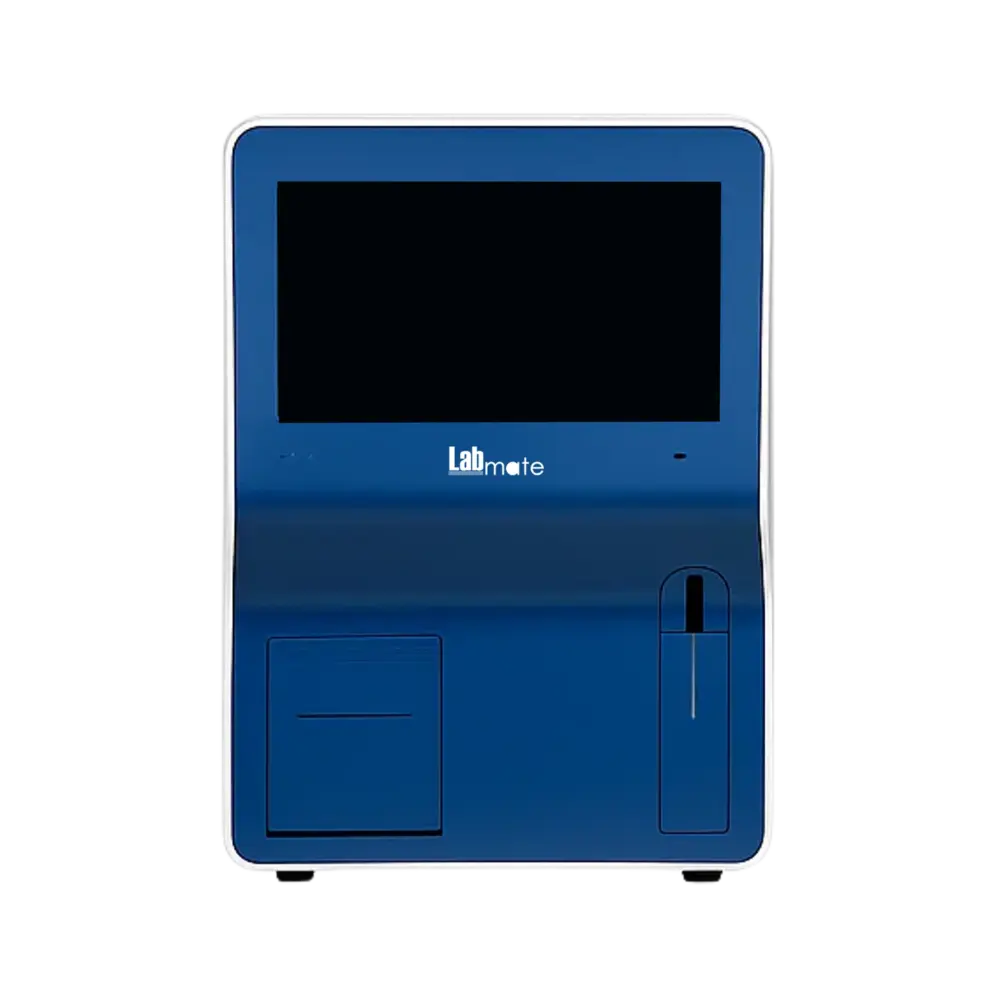
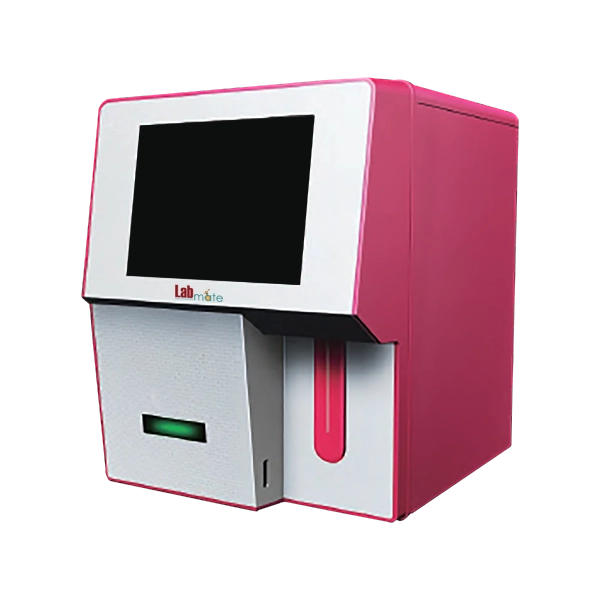
Automatic Hematology Analyzer processes up to 60 samples per hour providing efficient results quickly. They offer multi-parameter analysis delivering high-quality insights with reliable detection features. Their user-friendly interface supports easy navigation allowing smooth workflow integration. They are built with advanced technology enhancing stability and ensuring dependable operation for clinical laboratories. Our Automatic Hematology Analyzer are ideal for blood sample analysis providing essential data for diagnosis and patient care.

$ 16825 / Pack of 1
$ 11250 / Pack of 1
$ 7940 / Each of 1
$ 14000 / Pack of 1

$ 4462.5 / Each of 1

$ 6562.5 / Pack of 1
Selection Guide for Automatic Hematology Analyzer
When selecting Automatic Hematology Analyzer, understanding its selection range and capabilities helps the customer match it to their specific clinical or laboratory needs. This analyzer works on electro-impedance and photometric analysis principles, ensuring accurate cell counting and hemoglobin measurement. It provides a throughput of 60 samples/tests per hour, which is suitable for medium to high workload laboratories. It supports 22 parameters with a 3-part differential of WBC, providing detailed insights into white blood cell types (NEU, LYM, MON). The inclusion of study parameters like ALY%, ALY#, LIC%, LIC# enhances its diagnostic capabilities for research or abnormal cell population studies. The comprehensive list of measurable parameters, including WBC, RBC, HGB, HCT, MCV, MCH, MCHC, RDW, PLT, MPV, and their derived indices, along with histograms for WBC, RBC, and PLT, ensures a broad diagnostic scope. Customers should select this model based on their need for high throughput, comprehensive CBC analysis, and reliable 3-part WBC differentiation, especially in general pathology labs, clinics, or hospitals handling routine and specialized hematological evaluations.
Frequently Asked Questions
1 What is an Automatic Hematology Analyzer?
An Automatic Hematology Analyzer is an apparatus designed to perform Complete Blood Counts (CBCs) and other blood-related tests quickly and accurately by automating the analysis of blood samples.
2 How does Automatic Hematology Analyzer work?
It works by drawing blood into the system and using technologies such as flow cytometry, electrical impedance, and optical detection to count and differentiate blood cells.
3 What parameters can Automatic Hematology Analyzer measure?
It measures parameters such as Red Blood Cell (RBC) count, White Blood Cell (WBC) count, hemoglobin, hematocrit, platelet count, and various WBC differentials.
4 Why is Automatic Hematology Analyzer important in clinical diagnostics?
It is essential in clinical diagnostics because it provides fast, reliable, and repeatable results that help in the diagnosis and monitoring of various health conditions like anemia, infections, and blood disorders.
5 Can Automatic Hematology Analyzer detect abnormal cells?
It can flag potential abnormal cells or unusual results, prompting further investigation through peripheral smear review or additional testing.
6 What kind of maintenance does Automatic Hematology Analyzer require?
Routine maintenance includes daily cleaning, reagent replacement, checking for clogs, regular calibration and quality control checks.
7 How is Automatic Hematology Analyzer used in emergency situations?
It provides rapid CBC results that help assess critical conditions such as infections, anemia, or blood loss, enabling quick clinical decisions.
8 Can Automatic Hematology Analyzer be used for pre-surgical evaluations?
It is commonly used in preoperative assessments to ensure normal blood counts, identify anemia or clotting issues, and reduce surgical risks.
9 How does Automatic Hematology Analyzer support public health screenings?
It can be used for mass screenings to detect conditions such as anemia, infections, or nutritional deficiencies in populations.
10 How does Automatic Hematology Analyzer support infection control in hospitals?
It helps track changes in WBC counts and inflammatory markers, allowing clinicians to monitor infection progression or response to antibiotics.