

Get Quote
Contact us now to receive a detailed quotation.
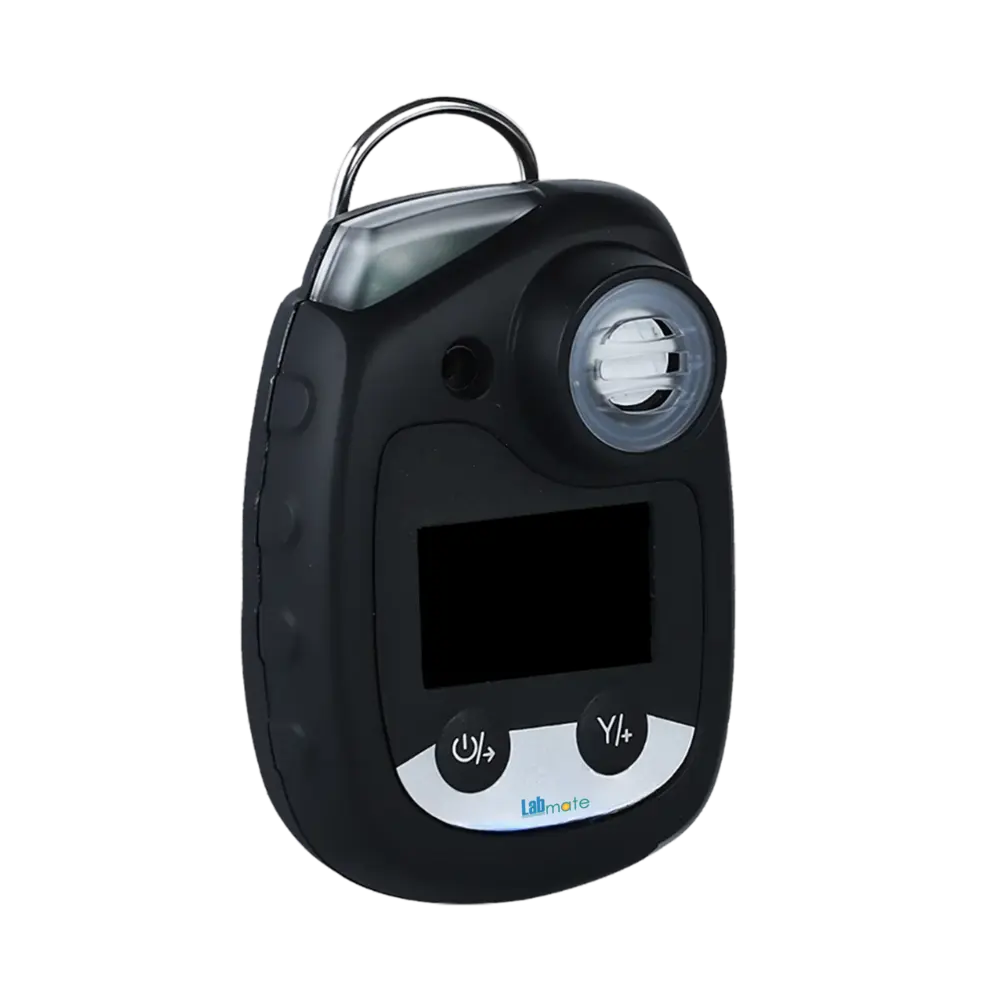
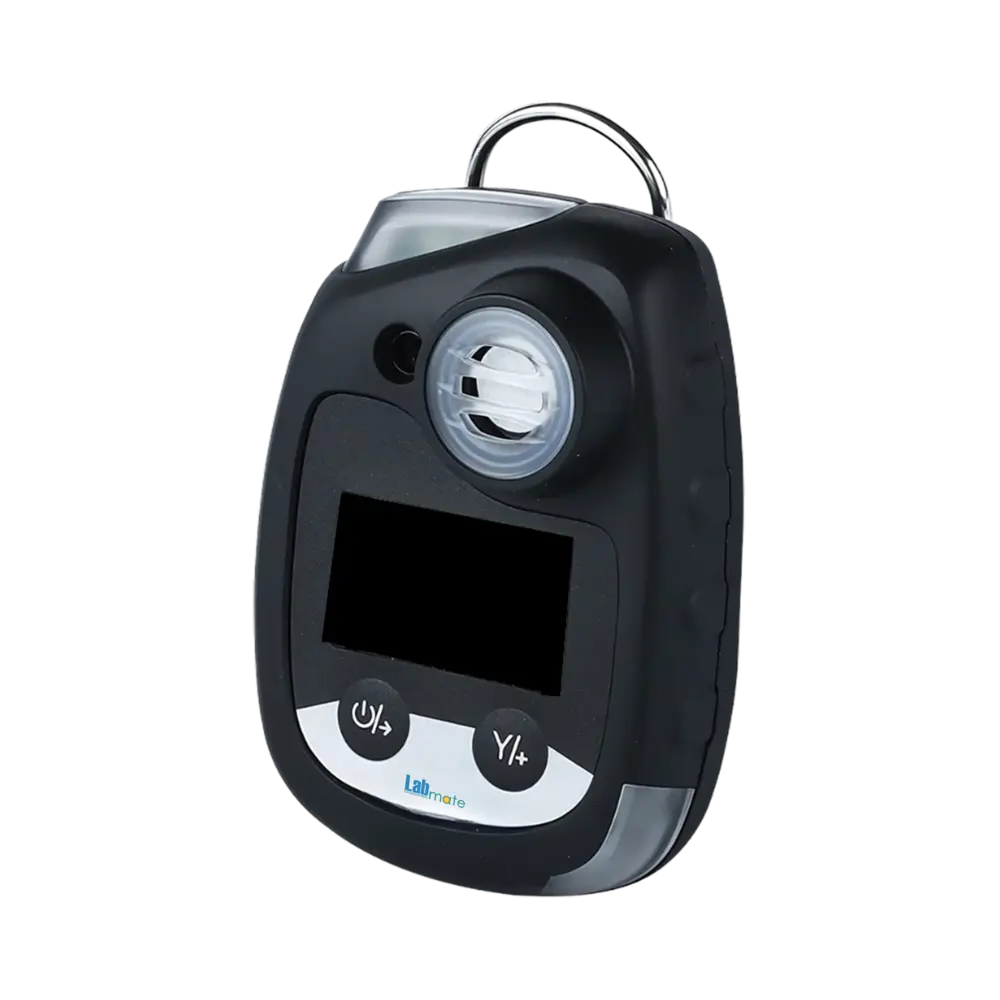
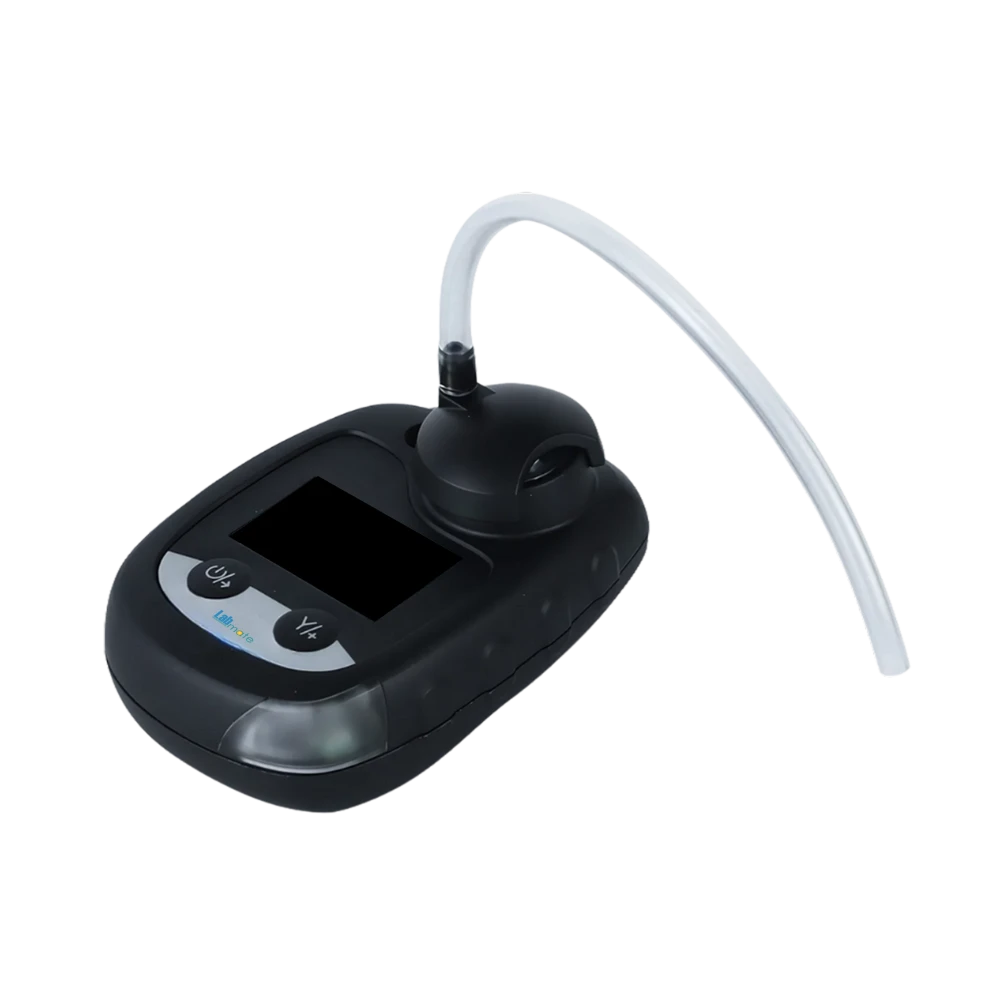

Portable Hydrogen Sulfide Gas Detector LMHGD-A101 has detection range of 0 to 100 ppm. It features real-time display that provides gas concentration, multiple units, and battery level. Equipped with durable enclosure, it offers complete protection against water, dust, impact, and explosive atmospheres. Incorporates maintenance-free operation with no battery charging or calibration required. Our Gas Detector monitors H₂S in industrial sites, refineries, and confined spaces.
Specifications
| Gas Detected | Hydrogen Sulfide |
| Measurement Range | 0 to 100 ppm |
| Sampling Method | Diffusion |
| Measurement Principle | Electrochemistry |
| Response Time | 15 to 30s |
| Resolution | 0.1ppm |
| Accuracy | Less than or equal to ±2%FS |
| Display | Shows gas name, concentration unit, measured value, and battery power |
| Working Temperature Range | -20 to 55℃ |
| Humidity | 0 to 95%RH (non-condensing) |
| Working Pressure | 86 to 106 kpa |
| Units | PPM, mg/m3 |
| Alarm Mode | Sound, light, vibration alarm |
| Alarm Type | Low alarm, high alarm, STEL, TWA, low battery |
| Buzzer Sound | Greater than or equal to 95db |
| Protection Grade | IP68 |
| Explosion-Proof Grade | IECEx, Ex ia IIC T4 Ga; ATEX, II 1G Ex ia IIC T4 Ga |
| Dimension | 90×60×33mm |
| Weight | 125g |
Pricing
| Product | Price | Unit | Action |
|---|---|---|---|
| Portable Hydrogen Sulfide Gas Detector LMHGD-A101 | $ 1312.5 | Each of 1 |
Features
Replaceable sensor
Lightweight body
Back clip attachment
Loud buzzer alarm
Data logging
Automatic self-test
Two-button control
Applications
Portable Hydrogen Sulfide Gas Detector LMHGD-A101 is applied for H₂S monitoring in confined spaces, sewage systems, oil refineries, chemical plants, and industrial facilities to protect workers from hazardous gas exposure.
Similar Products

$ 1687.5 / Each of 1
Frequently Asked Questions
1 What is a Portable Hydrogen Sulfide Gas Detector?
A Portable Hydrogen Sulfide Gas Detector is an apparatus designed to detect the presence of hydrogen sulfide gas in the air and alerts users when levels exceed safety thresholds.
2 How does Portable Hydrogen Sulfide Gas Detector work?
It works by using a sensor that reacts with hydrogen sulfide gas to measure its concentration and trigger alarms if levels are unsafe.
3 Can Portable Hydrogen Sulfide Gas Detector be used in confined spaces?
It is essential for confined spaces like tanks, sewers, and manholes to ensure safe entry and continuous monitoring of hydrogen sulfide gas levels.
4 Is Portable Hydrogen Sulfide Gas Detector suitable for offshore oil rigs?
It is widely used on offshore platforms to protect workers from hydrogen sulfide leaks during drilling, production, or maintenance.
5 Is Portable Hydrogen Sulfide Gas Detector usable in wastewater treatment plants?
It is commonly used in wastewater treatment facilities to monitor for hydrogen sulfide buildup during sludge processing, tank inspections, or maintenance work.
6 Can Portable Hydrogen Sulfide Gas Detector be used in mining operations?
It is essential for underground mining operations to detect hazardous gas levels, to ensure worker safety in confined and low-ventilation areas.
7 Can Portable Hydrogen Sulfide Gas Detector be used in agricultural settings?
It can be used in agricultural environments, such as animal manure pits, where hydrogen sulfide gas is a byproduct of decomposition, helping protect workers from dangerous exposure.
8 Is Portable Hydrogen Sulfide Gas Detector suitable for laboratory environments?
It can be used in laboratories, especially when dealing with chemicals or processes that might release hydrogen sulfide, ensuring the safety of laboratory personnel.
9 How does Portable Hydrogen Sulfide Gas Detector benefit workers in chemical processing plants?
It provides a reliable way to monitor for hydrogen sulfide leaks during chemical reactions or storage, ensuring the safety of employees working in potentially hazardous conditions.
10 Can Portable Hydrogen Sulfide Gas Detector be used in emergency evacuations?
It can be carried by evacuation teams to detect dangerous gas concentrations in affected areas, providing real-time data to guide safe exit routes and response plans.