

Get Quote
Contact us now to receive a detailed quotation.
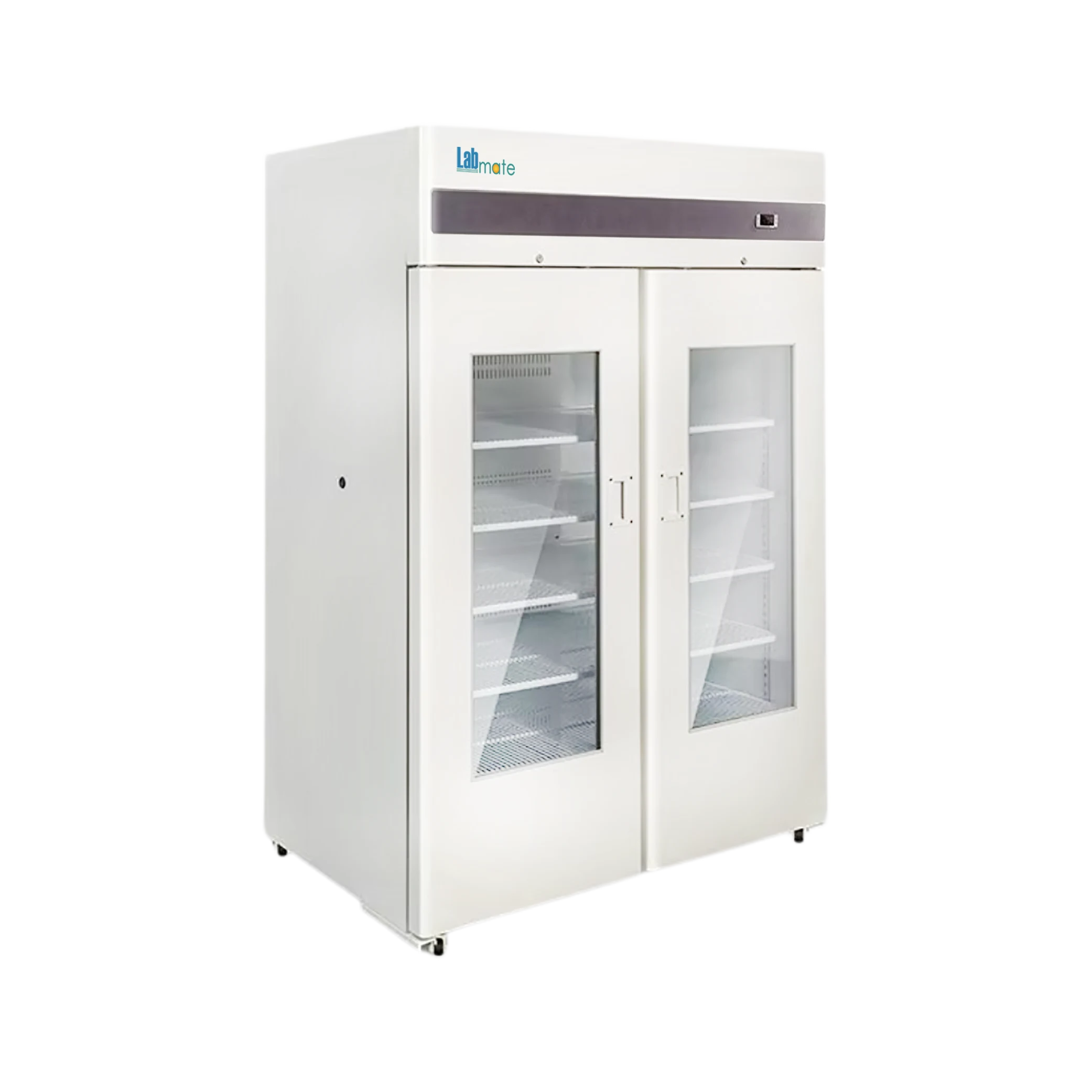
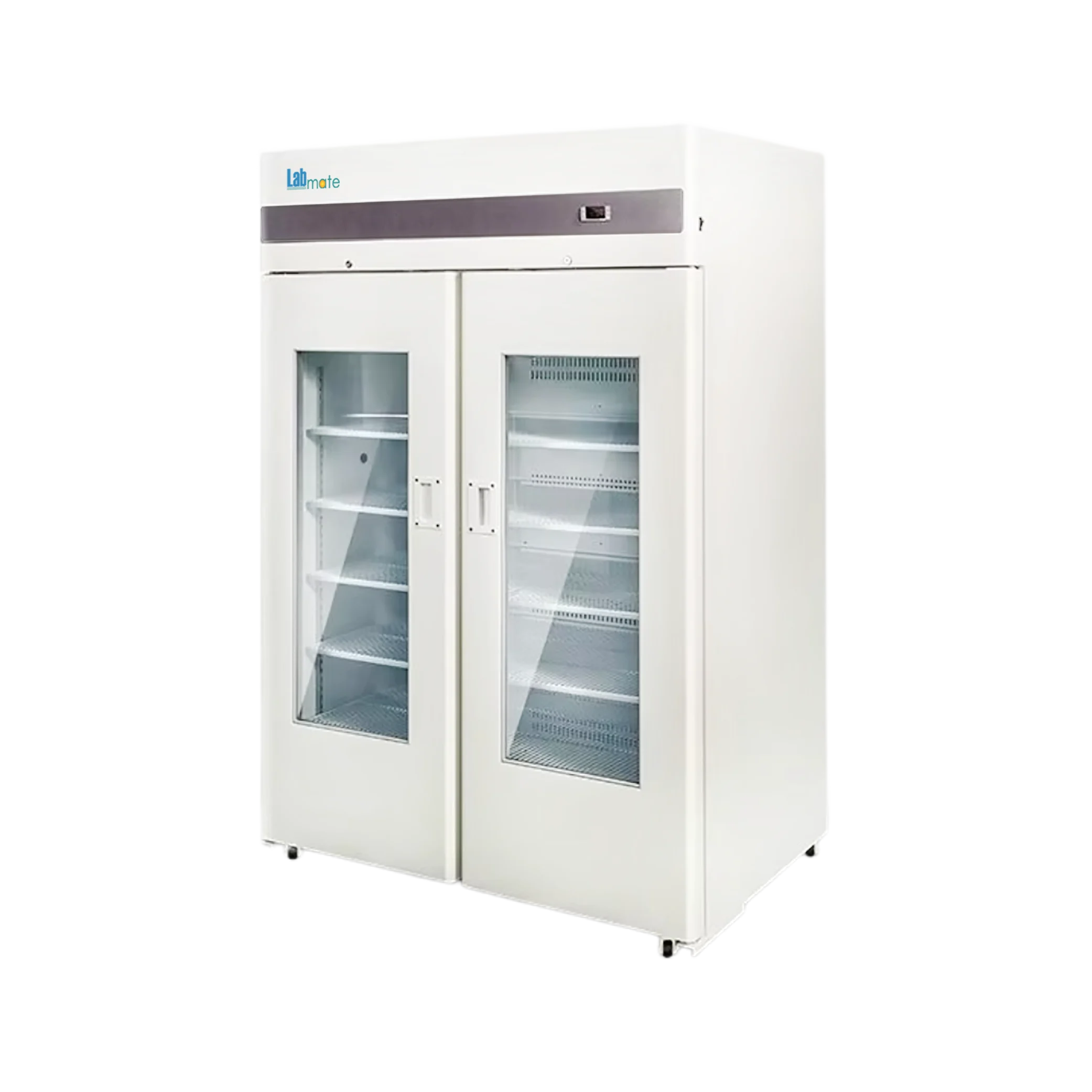
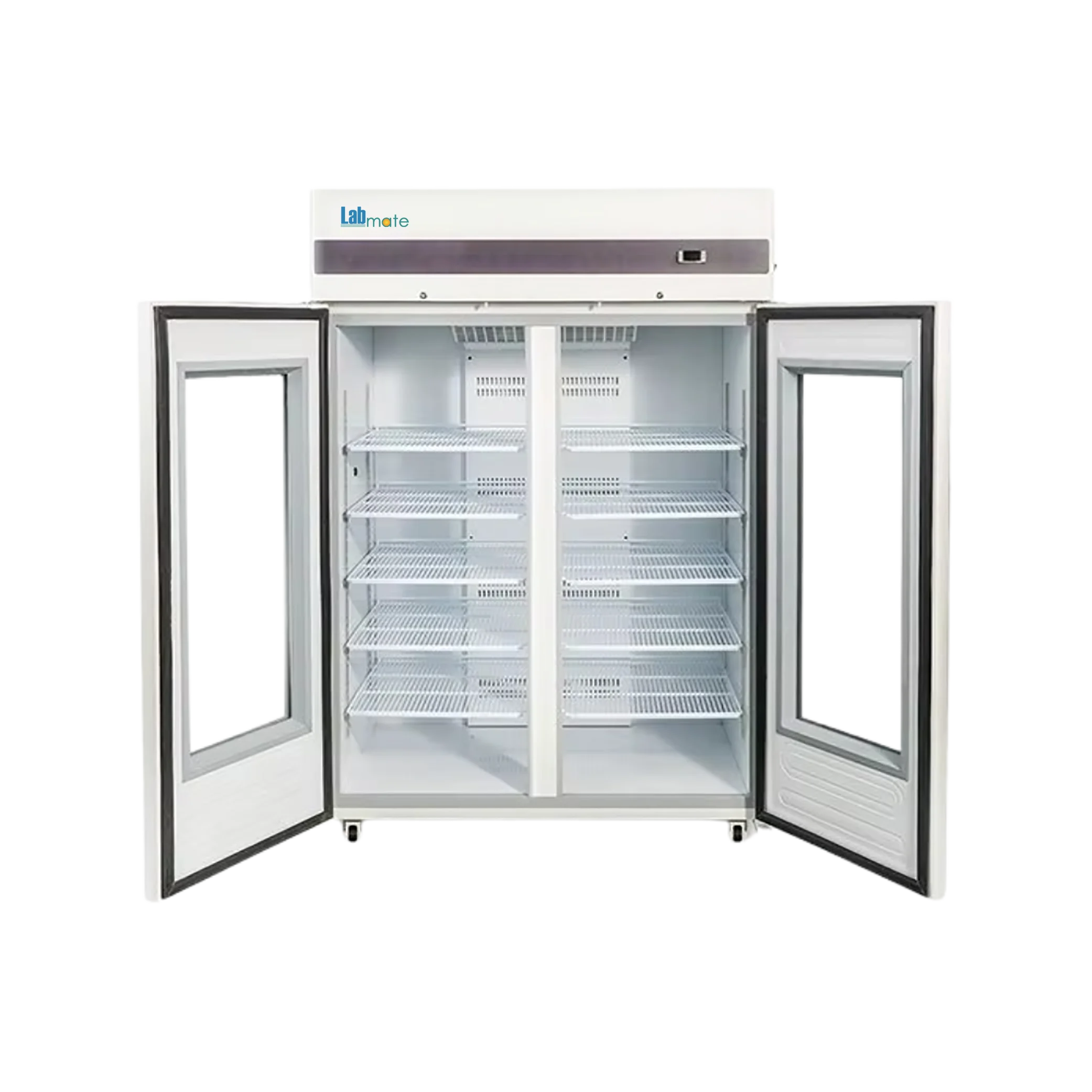
Blood Bank Refrigerator LMBL-A105 offers 1073 L capacity for long-term storage of blood, blood components, and medicines. It operates from 2°C to 6°C using forced-air cooling, four sensors, and microprocessor control with 0.1°C temperature control accuracy. Five shelves organize the stainless steel interior, while R290 refrigerant, auto defrost, thick foam insulation, and anti-condensation glass support cold-storage operation.
Specifications
| Capacity | 1073L |
| Cooling Performance | 4℃ |
| Temperature Range | 2℃ to 6℃ |
| Climate Class | N |
| Cabinet Type | Upright |
| Cooling Type | Forced air cooling |
| Defrost Mode | Auto |
| Refrigerant | R290 |
| Sensor | 4 |
| Temperature Controller | Microprocessor |
| Temperature Control Accuracy | 0.1 |
| Anti-Low Temperature Control Device | Mechanical |
| Minimum Temperature of Mechanical Control | 2 |
| Internal Material | Stainless steel |
| External Material | Galvanized steel powder coating (White) |
| Shelf | 5 |
| Casters | 4 |
| Data Storage | 100,000+ |
| Display | LED |
| Illumination | LED |
| Power Consumption | 4.6 kWh/24h, 400W |
| Power Supply | 220V/50Hz |
| Interior Dimension (W×D×H) | 1180×690×1400mm |
| Exterior Dimension (W×D×H) | 1300×830×1965mm |
| Package Dimension (W×D×H) | 1340×880×2175mm |
| Net Weight | 220kg |
| Gross Weight | 252kg |
Pricing
| Product | Price | Unit | Action |
|---|---|---|---|
| Blood Bank Refrigerator LMBL-A105 | $ 4450 | Each of 1 |
Features
Auto defrost function
Thick foam insulation
Inner LED lighting
Anti-condensation glass door
CFC-free refrigerant
Multiple malfunction alarms
Castors and safety door lock
Applications
Blood Bank Refrigerator LMBL-A105 is designed for long-term storage of blood, blood components, and medicines in hospitals, blood banks, pharmaceutical companies, and research institutes.
Similar Products

$ 3787.5 / Each of 1

$ 3850 / Each of 1

$ 5275 / Each of 1

$ 5587.5 / Each of 1

$ 2950 / Each of 1

$ 3375 / Each of 1

$ 7950 / Each of 1
Frequently Asked Questions
1 What is a Blood Bank Refrigerator?
A Blood Bank Refrigerator is an apparatus designed to store blood and blood components at a consistent temperature.
2 How is Blood Bank Refrigerator used during blood donation drives?
It is used during blood donation drives to safely store collected blood at regulated temperatures until it can be transported to a central blood bank for processing.
3 Can Blood Bank Refrigerator be used in mobile blood collection units?
It can be integrated into mobile blood collection units to ensure that collected blood remains within the required temperature range during transit.
4 What role does Blood Bank Refrigerator play in surgical operations?
It plays a vital role in surgical operations by keeping blood and plasma available at controlled temperatures for immediate use if blood loss occurs.
5 Can Blood Bank Refrigerator be used in rural healthcare settings?
It can be used in rural healthcare settings.
6 Is Blood Bank Refrigerator suitable for storing rare blood types?
It is ideal for storing rare blood types due to its precise temperature control and secure compartments, which help maintain the integrity of these valuable units.
7 How is Blood Bank Refrigerator used in clinical trials and research?
It is used in clinical trials and research to store blood samples under controlled conditions, ensuring sample integrity for accurate analysis and documentation.
8 How does Blood Bank Refrigerator assist in preventing cross-contamination?
It assists in preventing cross-contamination by using segregated compartments, dedicated shelving, and easy-to-clean interiors that reduce the risk of sample mixing.
9 How does Blood Bank Refrigerator contribute to quality control in laboratories?
It contributes to quality control in laboratories by maintaining strict temperature standards, ensuring consistency in blood testing and sample storage.
10 How does Blood Bank Refrigerator support organ transplant procedures?
It supports organ transplant procedures by ensuring that compatible blood types are readily available for transfusion before, during, and after surgery.