

Get Quote
Contact us now to receive a detailed quotation.
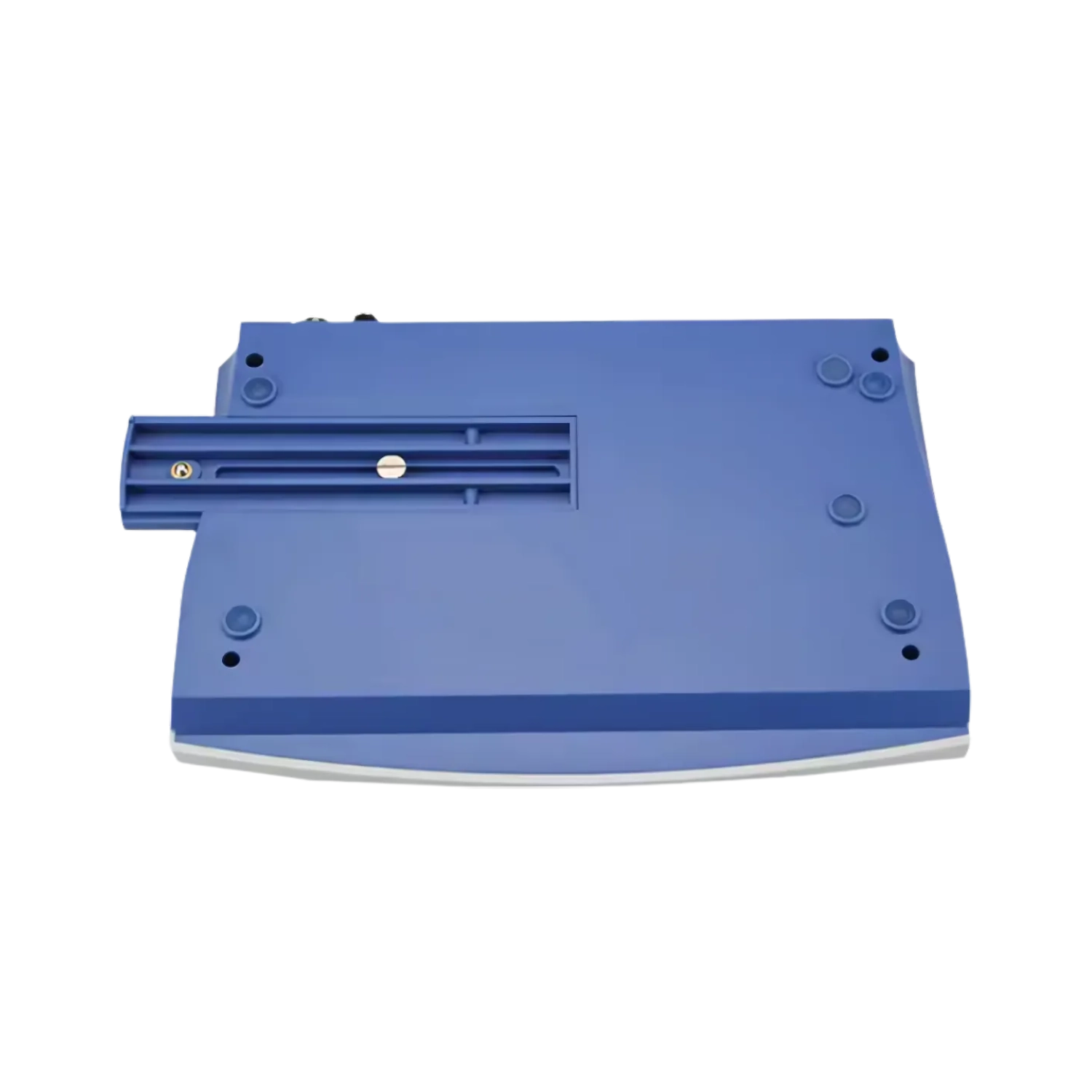
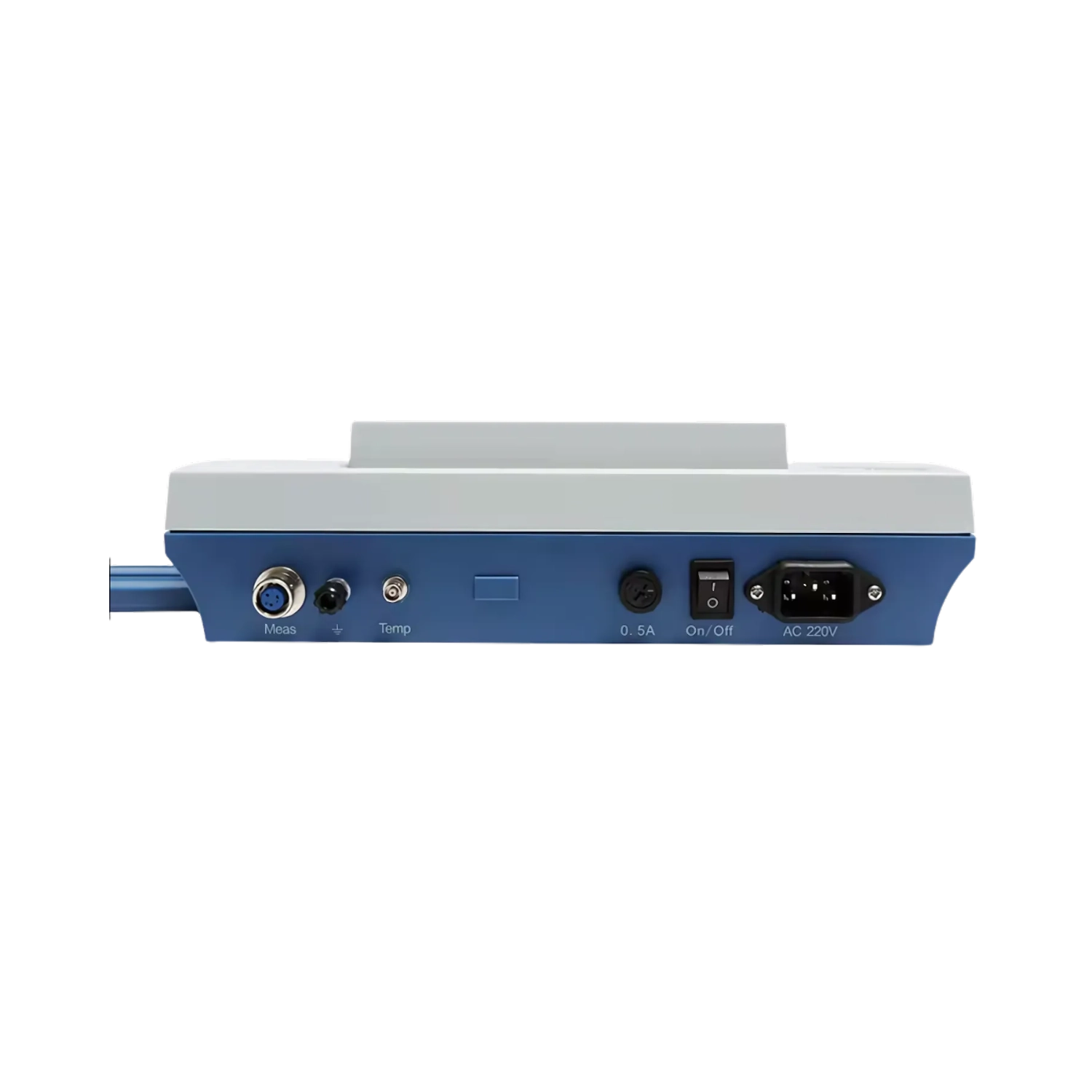
Specifications
| Conductivity Range | 0.00 μS/cm to 100 mS/cm |
| Conductivity Resolution | 0.01 μS/cm |
| Conductivity Accuracy | ±0.01 (FS) |
| Dimension | 300×220×90 mm |
| Weight | 1.3 kg |
Pricing
| Product | Price | Unit | Action |
|---|---|---|---|
| Benchtop Conductivity Meter LMCMB-401 | $ 1837.5 | Pack of 1 |
Features
Conductivity meter between the range 0.00 μS/cm to 100 mS/cm
LCD with backlight display is present for clear visibility of measurements
Cell constant is adjustable can be set at any time to start the measurement
Temperature compensation is adjusted manually for desired buffers
High resolution of 0.01 μS/cm to provide the measuring accuracy is present
Standard Accessories
Conductivity Cell (k=1) Electrode Holder
Applications
The conductivity meter can be used in hydroponic and aquaculture settings to measure the concentration water whether it is accurate or not. In addition, it is used in agriculture to measure the salinity levels of surface water and soil samples and also measure the quality of water in a wastewater treatment facility.
Similar Products

$ 3225 / Pack of 1

$ 2075 / Pack of 1

$ 2525 / Pack of 1

$ 2475 / Each of 1

$ 3375 / Pack of 1

$ 1987.5 / Pack of 1
Frequently Asked Questions
1 What is a Bench-top Conductivity Meter?
A Bench-top Conductivity Meter is an apparatus designed to measure the electrical conductivity of liquid solutions.
2 How does Bench-top Conductivity Meter work?
It works by applying an electrical current through electrodes submerged in a liquid sample and measuring the ability of the liquid to conduct electricity.
3 Can Bench-top Conductivity Meter be used for water purification testing?
It is widely used in water purification testing to measure the conductivity of water and assess its purity
4 How is Bench-top Conductivity Meter used in pharmaceutical labs?
In pharmaceutical labs, it is used to ensure the conductivity of solutions meets strict standards for water quality and chemical formulation during drug manufacturing processes.
5 Why is Bench-top Conductivity Meter important in food and beverage processing?
It is important in food and beverage processing to monitor salt concentration, ingredient consistency, and product quality, ensuring compliance with industry standards.
6 Can Bench-top Conductivity Meter monitor wastewater treatment processes?
It is essential in wastewater treatment for monitoring the ionic content of effluents, helping operators control chemical dosing and ensure compliance with environmental discharge regulations.
7 Can Bench-top Conductivity Meter be used in oil and gas industries?
It is used in oil and gas industries to test the conductivity of water used in drilling fluids, helping manage corrosion risks and ensure fluid formulation accuracy.
8 How is Bench-top Conductivity Meter used in biotechnology labs?
It is used in biotechnology labs to monitor buffer solutions, cell culture media, and fermentation broths, ensuring consistent conditions for biological processes.
9 How does Bench-top Conductivity Meter contribute to environmental water testing in rivers and lakes?
It contributes to environmental water testing by analyzing samples from rivers and lakes for changes in conductivity, which can indicate pollution, runoff, or mineral content variations.
10 Why is Bench-top Conductivity Meter important in dairy processing?
It is important in dairy processing for monitoring salt and whey content in milk and cheese production, ensuring consistency and compliance with food safety standards.