

Get Quote
Contact us now to receive a detailed quotation.
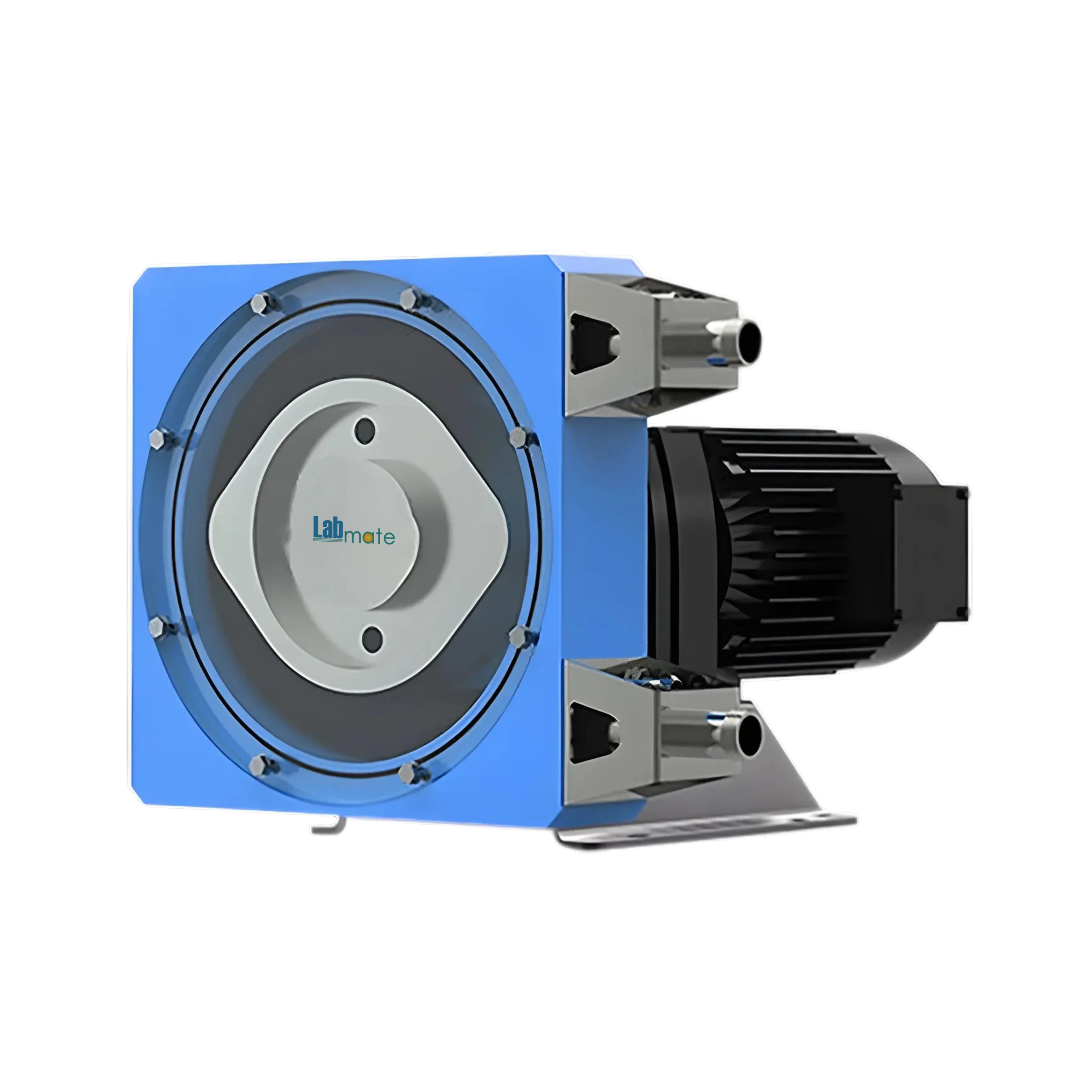
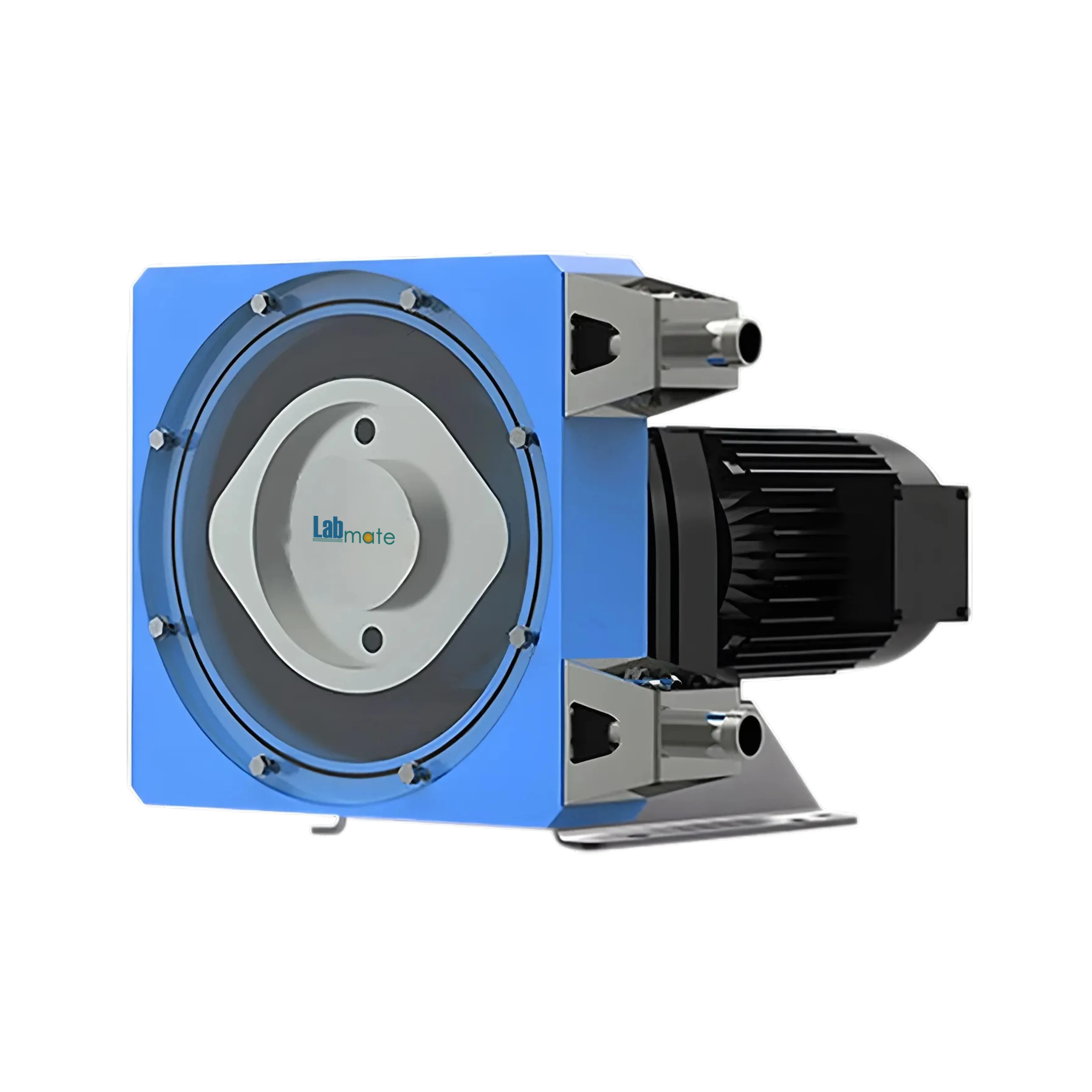
Peristaltic Hose Pump LHPMP-A102 has maximum flow rate of 174 L/min. It conveys fluids with corrosive substances, high viscosity, and high solid content. It supports up to 15 Bar pressure with multi-layer composite tube. Equipped with self-priming function and reversible operation for blockage removal. Our Pump ensures contamination-free transfer with easy tube replacement for industrial processes.
Specifications
| Maximum Flow Rate | 174 L/min |
| Traffic Per Minute | 122L |
| Speed Range | 10 to 100rpm |
| Speed Resolution | 1Hz |
| Inlet Negative Pressure | less than or equal to 0.9 Bar |
| Outlet Pressure | less than or equal to 15 Bar |
| Fluid Temperature | Less than 80℃ |
| Control Mode | Inverter Stepless Speed Regulation (External), Fixed rotational speed |
| Tube Material | Natural Rubber (NR), Nitrile Butadiene Rubber (NBR), Ethylene Propylene Diene Monomer (EPDM) |
| Tube Lifespan | 2500 to 3000 hours |
| Lubricant Consumption | 10L |
| Motor Types | AC gear motor |
| Power Consumption | 5.5 KW |
| Dimensions (L×W×H) | 980×838×780 mm |
| Weight | 350 Kg |
Pricing
| Product | Price | Unit | Action |
|---|---|---|---|
| Peristaltic Hose Pump LHPMP-A102 | $ 14150 | Each of 1 |
Features
Operates up to 80°C
Dry run capability
Minimal maintenance required
Applications
Peristaltic Hose Pump LHPMP-A102 is ideal for chemical processing, pharmaceuticals, and food industries. It handles shear-sensitive, high-viscosity, and solid-laden fluids efficiently.
Similar Products
$ 3812.5 / Each of 1
$ 5425 / Each of 1
Frequently Asked Questions
1 What is a Peristaltic Hose Pump?
A Peristaltic Hose Pump is a positive displacement pump that uses rollers or shoes to compress a reinforced hose, pushing the fluid through the hose in a peristaltic motion.
2 How does Peristaltic Hose Pump work?
It works by rotating rollers or shoes against a flexible hose, creating a vacuum that draws fluid in and pushes it forward as the compression moves along the hose.
3 What type of fluids can Peristaltic Hose Pump handle?
It can handle a wide range of fluids, including slurries, chemicals, viscous liquids, and even solid-laden mixtures.
4 Can Peristaltic Hose Pump be used for chemical dosing applications?
It is ideal for chemical dosing applications because it offers accurate, pulseless flow and excellent chemical resistance depending on the hose material.
5 How does Peristaltic Hose Pump perform in wastewater treatment?
In wastewater treatment, it performs reliably by handling sludge, lime, and other difficult fluids while maintaining consistent flow without clogging or contamination.
6 Is Peristaltic Hose Pump appropriate for pharmaceutical applications?
It is well-suited for pharmaceutical applications due to its gentle pumping action, sterile operation, and the use of FDA-compliant hose materials.
7 Is Peristaltic Hose Pump used in agriculture for fertilizer or pesticide dosing?
It is used in agriculture for precise dosing of fertilizers, pesticides, and irrigation chemicals, offering accurate and reliable delivery without clogging.
8 Can Peristaltic Hose Pump be used in biogas or anaerobic digestion systems?
It is commonly used in biogas systems for feeding sludge and digestate due to its robust design and ability to handle high solid content fluids.
9 Can Peristaltic Hose Pump handle liquid detergent and soap manufacturing?
It is ideal for pumping liquid detergents, soaps, and surfactants, offering a clean, non-contaminating transfer and consistent delivery of viscous products.
10 Can Peristaltic Hose Pump be used for blood and biological fluid transfer in laboratories?
It is often used in laboratories for transferring blood and sensitive biological fluids due to its gentle, contamination-free pumping action.