

Get Quote
Contact us now to receive a detailed quotation.
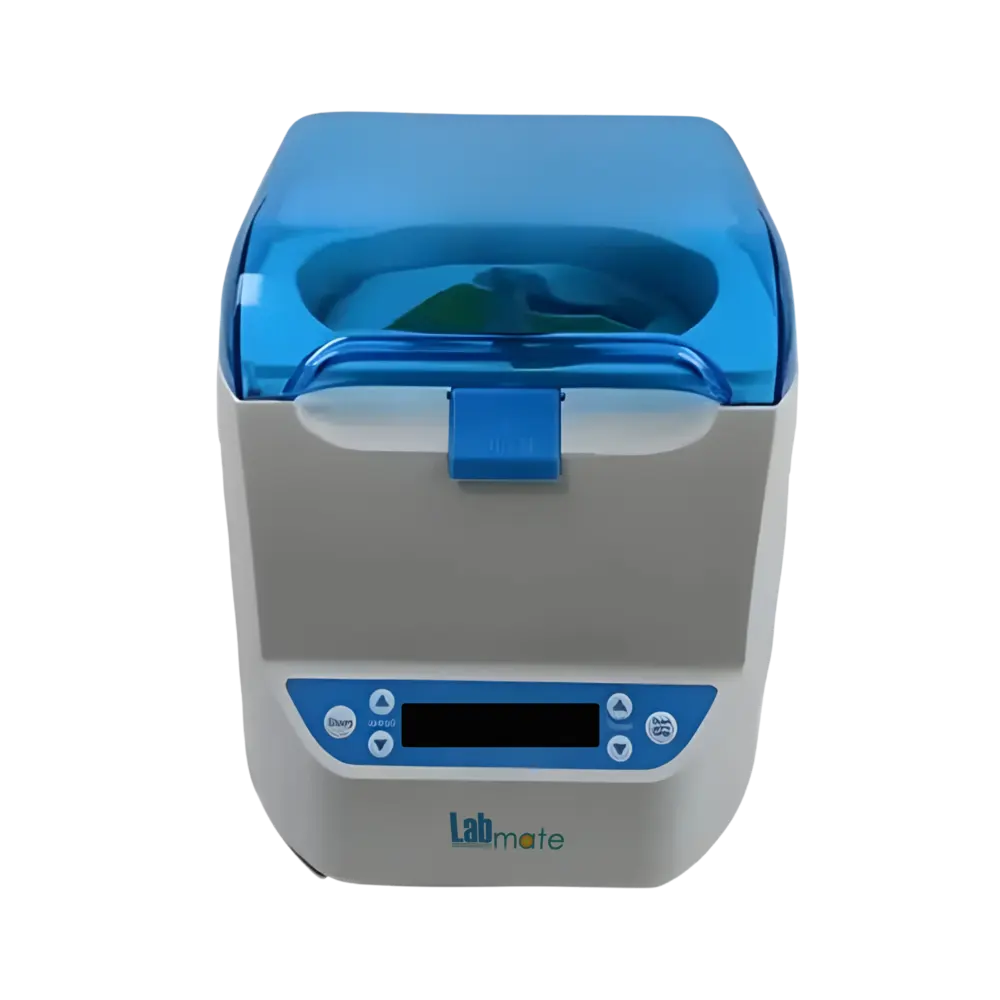
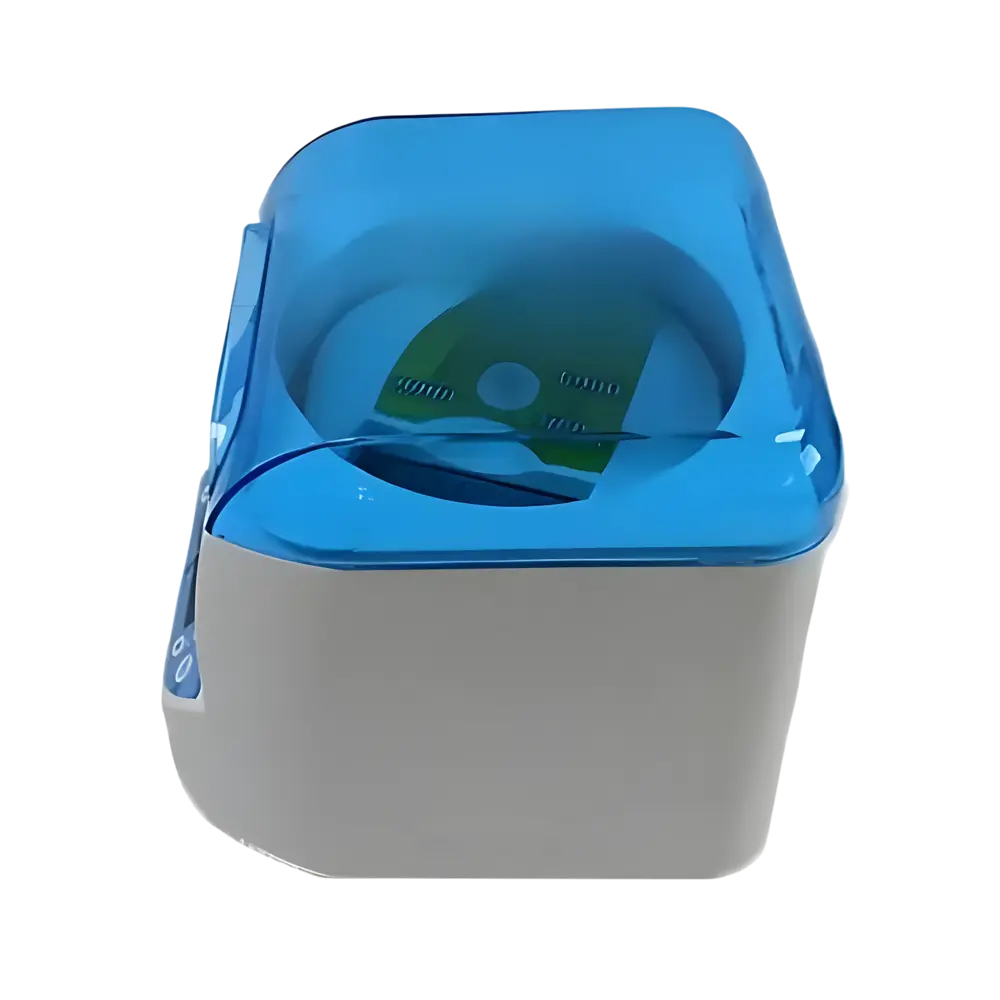
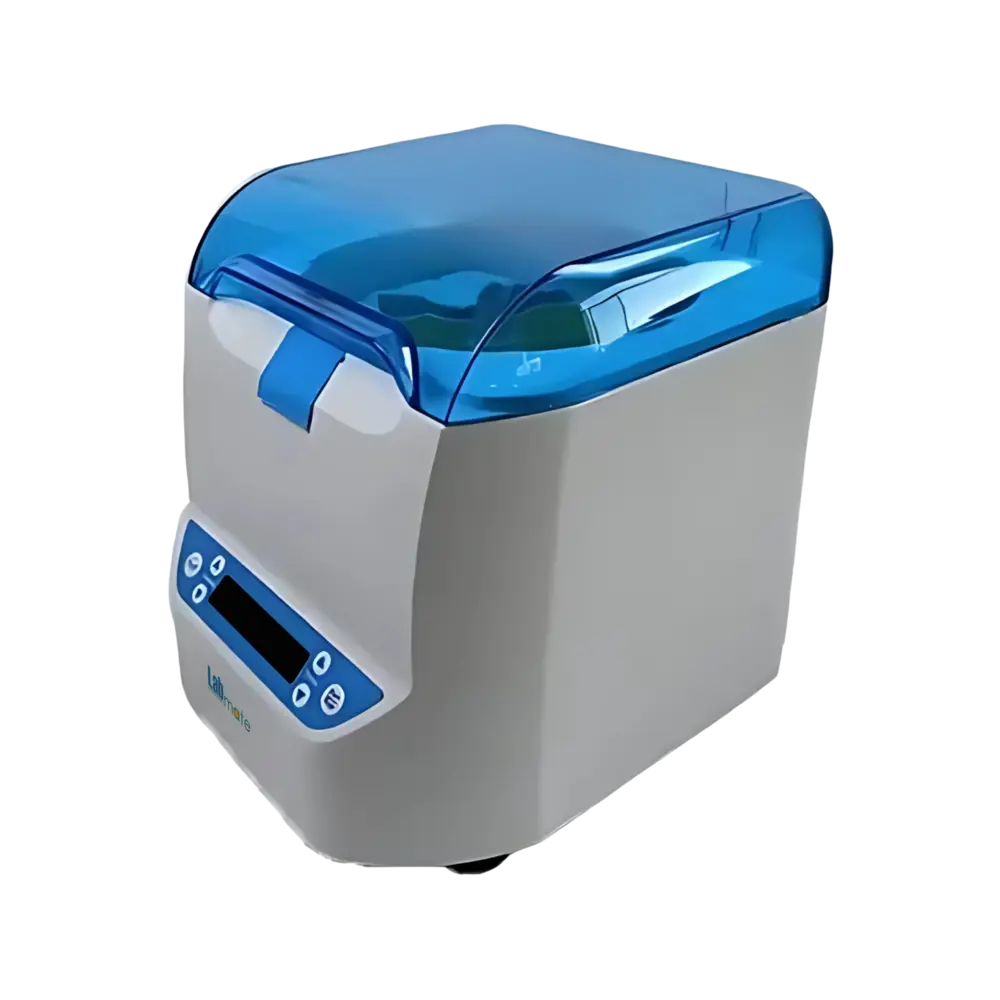
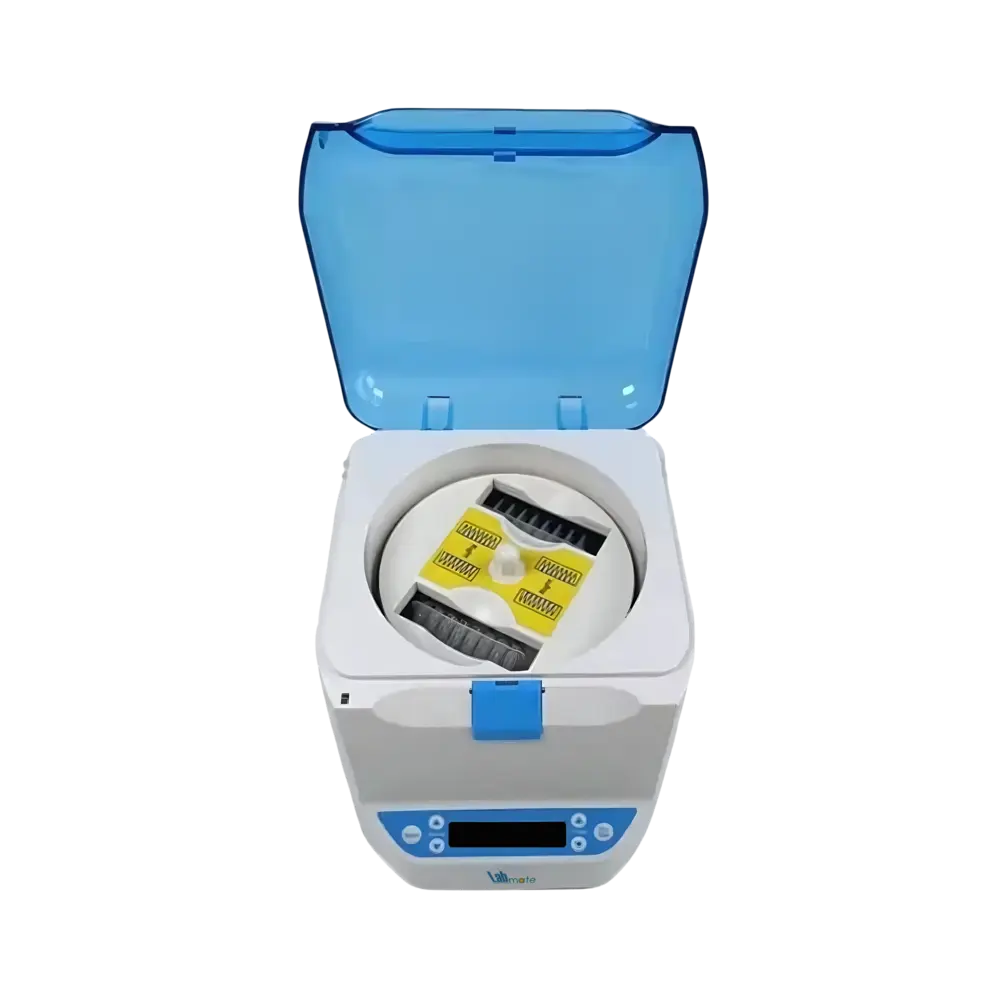
Microplate Centrifuge LMMPC-A100 offers rotating speed range of 2200 to 2800 rpm. It features real-time display for monitoring of all operational parameters during processes. Equipped with automatic lid detection, it ensures safety by stopping operation instantly when cap is opened. Incorporates compatibility with skirted, semi-skirted, and non-skirted microplates for broad laboratory adaptability. Our Centrifuge is ideal for sample preparation, nucleic acid studies, and molecular diagnostics.
Specifications
| Speed Range | 2200 to 2800 rpm |
| Maximum RCF | 550g |
| Capacity | 2 PCR plates |
| Timing Range | 15sec to 1min59sec |
| Acceleration Time | Less than or equal to 10sec (from 0 to 2800rpm) |
| Brake Time | Less than or equal to 4sec (from 2800rpm to 0) |
| Lid Open Auto Stop | Yes |
| Short Run | Yes |
| Fuse | 250V/3A Ф5×20 |
| Power Consumption | 45W |
| Dimensions | 260×240×226 mm |
| Weight | 3.3 Kg |
Pricing
| Product | Price | Unit | Action |
|---|---|---|---|
| Microplate Centrifuge LMMPC-A100 | $ 1500 | Each of 1 |
Features
Countdown mode
Brushless motor
Low noise
Maintenance-free
96/384 well support
Short braking
Applications
Microplate Centrifuge LMMPC-A100 enables centrifugation of PCR plates, supporting sample preparation, nucleic acid studies, molecular diagnostics, and genetic analysis in research, biotechnology, and pharmaceutical laboratories.
Similar Products

$ 3387.5 / Each of 1

$ 2210 / Each of 1

$ 1812.5 / Each of 1

$ 1650 / Each of 1
Frequently Asked Questions
1 What is a Microplate Centrifuge?
A Microplate Centrifuge is a laboratory apparatus designed to quickly spin microplates to settle samples at the bottom of each well.
2 What safety features are included in Microplate Centrifuge?
It includes safety features such as a secure lid lock, imbalance detection, and automatic shutoff when opened.
3 Can Microplate Centrifuge be used for PCR sample preparation?
It is commonly used to quickly spin down reagents and remove bubbles before thermal cycling.
4 Can Microplate Centrifuge be used with High-Throughput Screening (HTS)?
It is ideal for HTS setups where rapid and uniform sample processing across many plates is critical.
5 Can Microplate Centrifuge be used in diagnostic testing?
It is widely used in diagnostic labs to prepare samples for tests like qPCR, serology or immunoassays.
6 Can Microplate Centrifuge be used in clinical labs?
It is used to prepare microplate samples for downstream analysis like DNA profiling or pathogen detection.
7 Can Microplate Centrifuge be used in virology or vaccine research?
It is used for virus titration, vaccine candidate assays and cell infection studies in microplate formats.
8 Can Microplate Centrifuge be used in toxicology studies?
It is used to prepare microplate-based cytotoxicity assays, drug exposure setups and metabolite screenings.
9 Can Microplate Centrifuge be used in forensic DNA analysis?
It is used for DNA quantification, amplification and STR profiling in high-throughput forensic labs.
10 Can Microplate Centrifuge be used in single-cell analysis workflows?
It is used to gently spin down single-cell suspensions in plates before processing for sequencing or imaging.