
Get Quote
Contact us now to receive a detailed quotation.
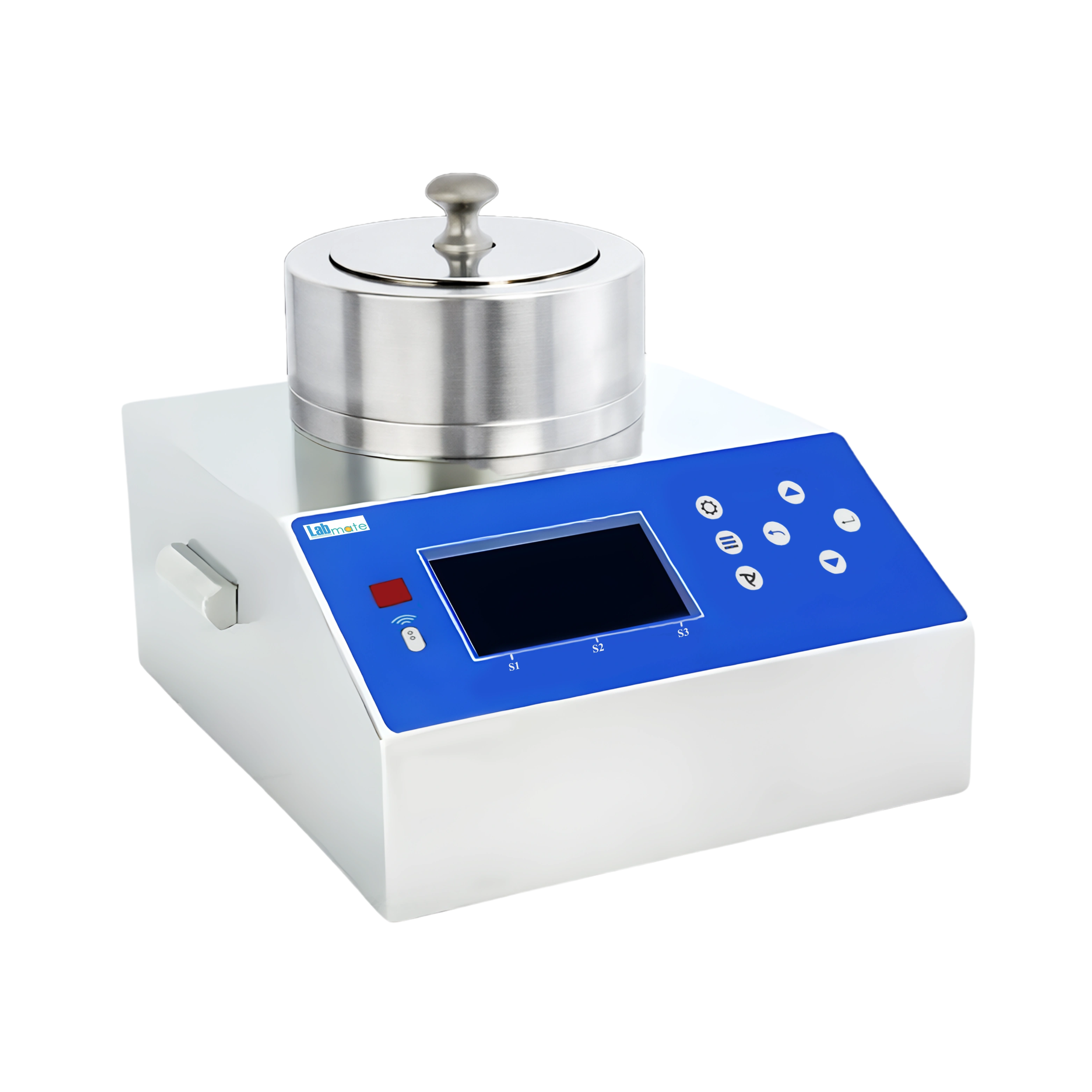
Microbial Air Sampler LMAL-A100 collects air at 100 liters/min with a sampling range of 0.01 to 9.0 m³. Our air sampler is enhanced with multi-jet holes each with a flow rate of 0.38m/s. It provides programmable features that enable automatic control of the sampling time. Integrated with an LCD for real-time monitoring of various parameters
Specifications
| Sampling Volume | 100 L/min |
| Sampling Quantity | 0.01 to 9.0 m³ |
| Sampling Time | Automatic |
| Flow Velocity of Sampling Holes | 0.38 m/s |
| Sampling | Low Noise pump sampling |
| Petri Dish Diameter | Ø 90 × 15 mm |
| Power Supply | AC 110/220V±10%50/60Hz |
| Rechargeable Battery | DC 14.8 V / 5000 mAh |
| Operational Time of Battery | 6 to 8 h |
| Data Storage | 256 Sample |
| Internal Dimension | 235 × 220 × 180 mm |
| External Dimension | 400 × 430 × 240 mm |
| Net Weight | 4.8 Kg |
| Gross Weight | 8.5 Kg |
Pricing
| Product | Price | Unit | Action |
|---|---|---|---|
| Microbial Air Sampler LMAL-A100 | $ 5850 | Each of 1 |
Features
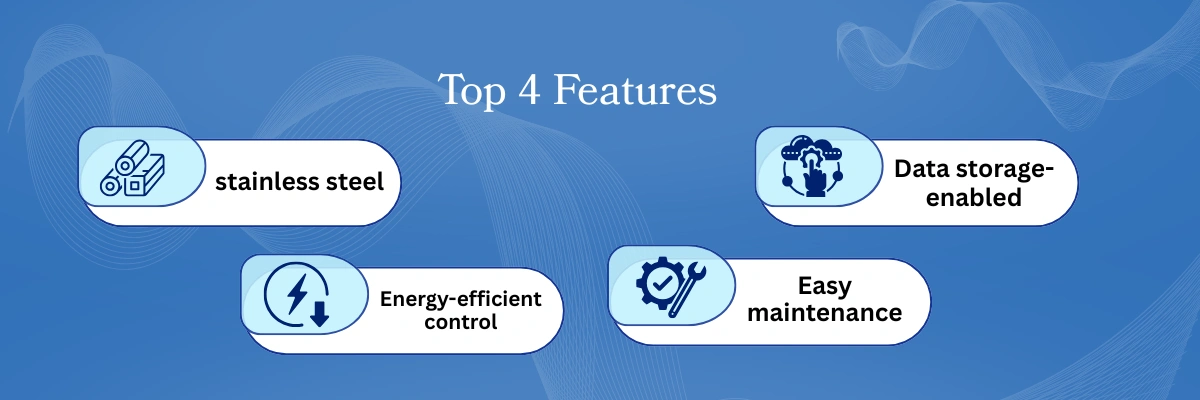
Crafted with SUS304 stainless steel
Designed with energy-efficient microprocessor control systems
Easy to clean and maintain
Supports data storage
Applications
It is used for quality inspection across the food & biological product industry, hospitals, drug/medicines manufacturing plants, etc.
Selection Guide
Microbial Air Sampler LMAL-A100 is perfect for scientific work and applications requiring accurate airborne microbial monitoring in controlled environments. It is widely used in pharmaceutical cleanrooms, food and beverage production, clinical settings, and biotech research labs. With features like high sampling accuracy, compatibility with standard Petri dishes, programmable timing, and portability, it suits experiments that require consistent, reliable data collection. Researchers conducting air quality research, routine environmental monitoring, or quality control in sterile zones will find this model especially useful for ISO-compliant microbial sampling.

Similar Products
$ 5462.5 / Each of 1
Frequently Asked Questions
1 What is a Microbial Air Sampler LMAL-A100?
A Microbial Air Sampler LMAL-A100 is a high-performance instrument designed to monitor airborne microorganisms in controlled environments.
2 How does a Microbial Air Sampler LMAL-A100 work?
A Microbial Air Sampler LMAL-A100 operates on the principle of impaction to collect airborne microorganisms onto a growth medium.
3 Can Microbial Air Sampler LMAL-A100 be used in pharmaceutical manufacturing?
Microbial Air Sampler LMAL-A100 monitors airborne microbes to ensure sterile production environments.
4 Is Microbial Air Sampler LMAL-A100 useful for indoor air quality research?
Microbial Air Sampler LMAL-A100 provides accurate sampling of airborne microorganisms.
5 Is Microbial Air Sampler LMAL-A100 useful in waste treatment plants?
Microbial Air Sampler LMAL-A100 monitors airborne microbes to protect worker health and safety.
6 Is Microbial Air Sampler LMAL-A100 applicable in vaccine production labs?
Microbial Air Sampler LMAL-A100 ensures microbial control in highly sterile vaccine development areas.
7 Can Microbial Air Sampler LMAL-A100 be used in tissue culture laboratories?
Microbial Air Sampler LMAL-A100 helps monitor air quality to protect sensitive cultures from microbial interference.
8 Is Microbial Air Sampler LMAL-A100 applicable in hospital infection control programs?
Microbial Air Sampler LMAL-A100 supports active surveillance of airborne pathogens in high-risk hospital zones.
9 Can Microbial Air Sampler LMAL-A100 be used in antibiotic resistance research?
Microbial Air Sampler LMAL-A100 aids in tracking environmental microbial exposure during antimicrobial studies.
10 What kind of maintenance does Microbial Air Sampler LMAL-A100 require?
Routine maintenance includes cleaning of the sampling head and perforated plate, periodic calibration, battery maintenance, and airflow verification to ensure reliable, contamination-free operation.
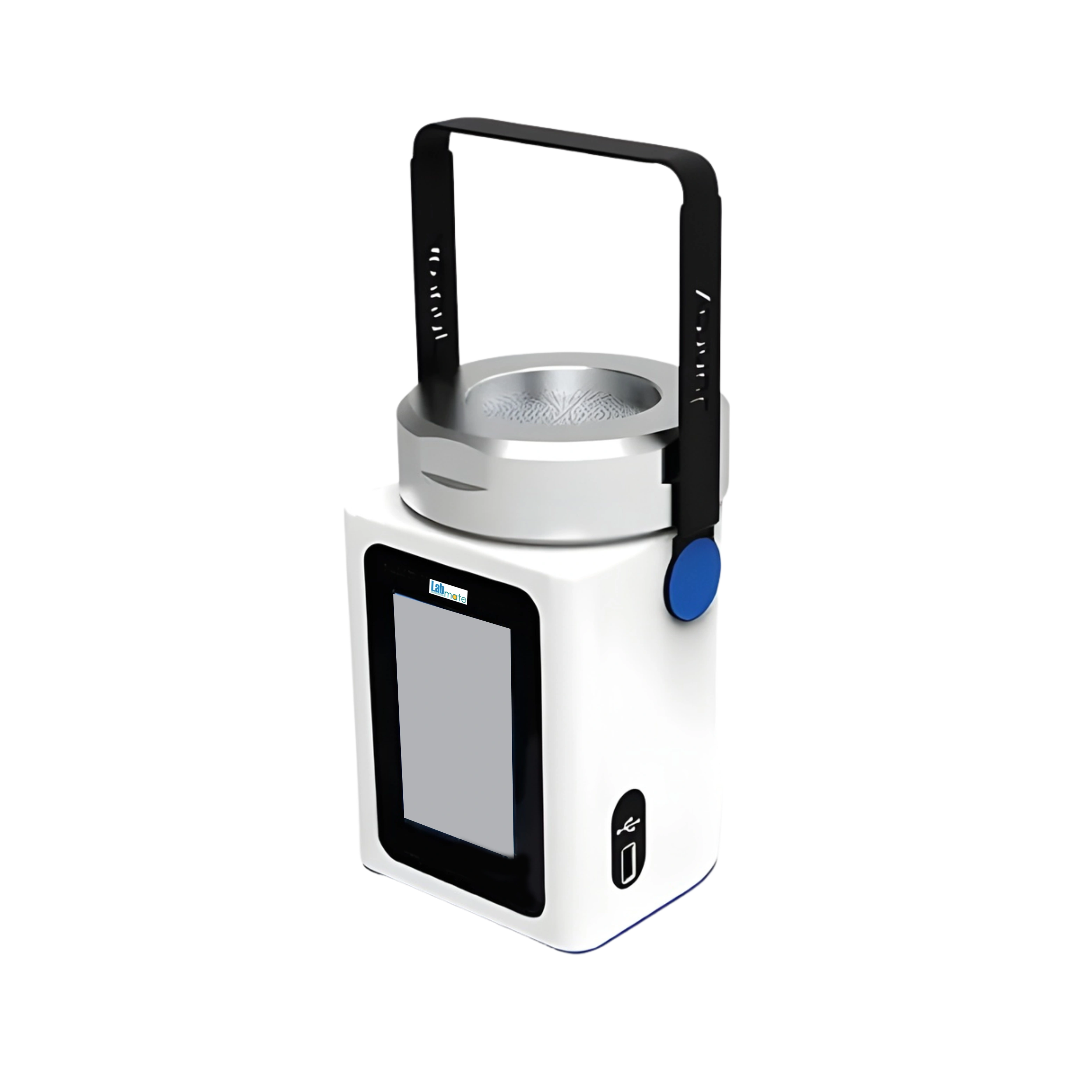
11 Is Portable Air Sampler LMPAS-A100 suitable for use in agriculture or greenhouses?
Portable Air Sampler LMPAS-A100 helps monitor airborne pesticides, spores, or allergens affecting crop or worker safety.
12 What is a Microbial Air Sampler?
A Microbial Air Sampler is an apparatus designed to collect and analyze airborne microorganisms to monitor air quality.
13 How does a Microbial Air Sampler work?
It draws in air and captures airborne microorganisms on a culture medium or filter for analysis.
14 What kind of maintenance does Microbial Air Sampler require?
Regular maintenance includes cleaning of the apparatus, proper calibration and periodic checks to ensure its operating efficiently.
15 What types of microorganisms can be detected using Microbial Air Sampler?
It can detect bacteria, fungi, viruses and spores present in the air.
16 How can Microbial Air Sampler be used to improve air quality?
It can identify contamination sources, monitor filtration systems and track microbial trends to improve air quality.
17 What is the difference between a Microbial Air Sampler and a Microbial Surface Sampler?
A Microbial Air Sampler collects microorganisms from the air, whereas a Microbial Surface Sampler collects microorganisms from surfaces such as floors in the environment.
18 Can Microbial Air Sampler be used in HVAC systems?
It is used in HVAC systems to monitor air quality and detect airborne microorganisms circulating through ventilation systems.
19 How does Microbial Air Sampler differ from Dust Collector?
Microbial Air Sampler is designed to capture live microorganisms, whereas Dust Collector focuses on particulate matter, which may or may not contain microorganisms.
20 Can Microbial Air Sampler help assess the effectiveness of cleaning protocols?
It is used to assess whether cleaning and disinfection protocols are effectively reducing microbial contamination in environments like hospitals or laboratories.
21 Can Microbial Air Sampler be used in agricultural environments?
It is used in agricultural settings to monitor airborne plant pathogens, allergens and other microbial contaminants that may affect crops.