
Get Quote
Contact us now to receive a detailed quotation.
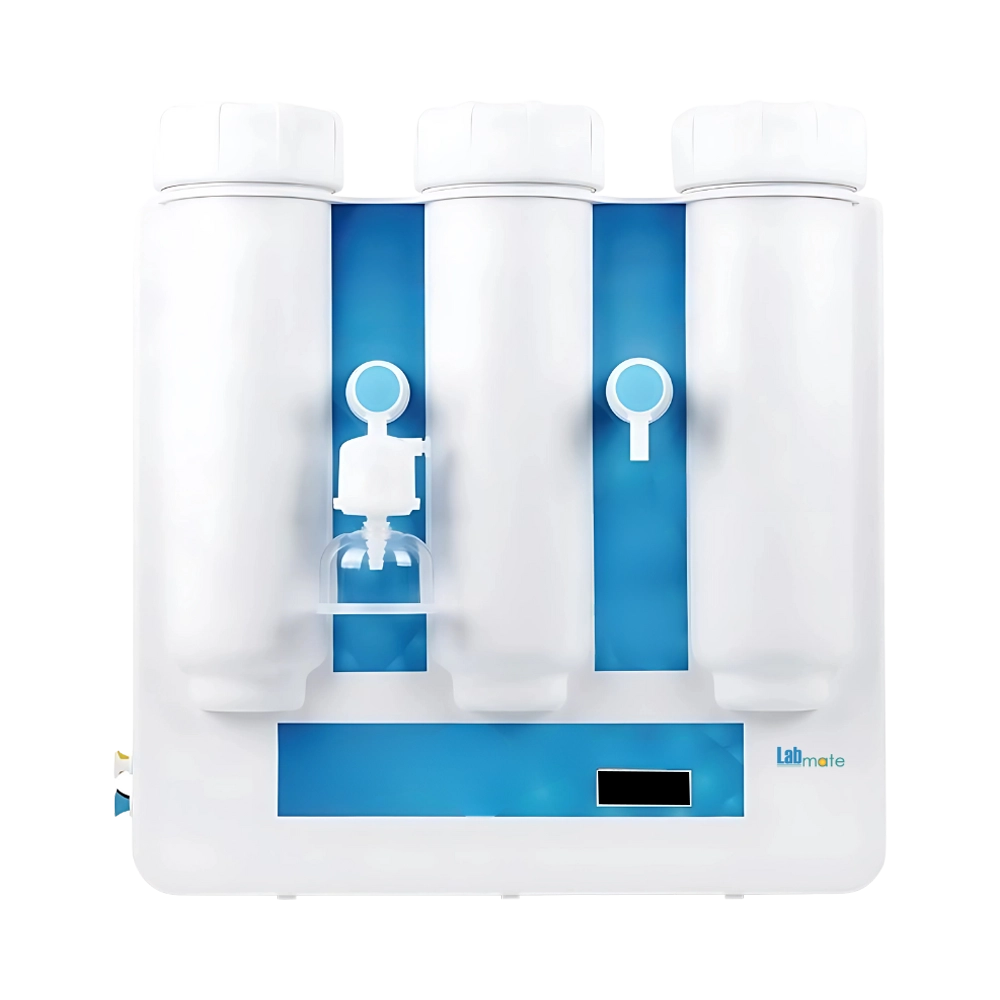
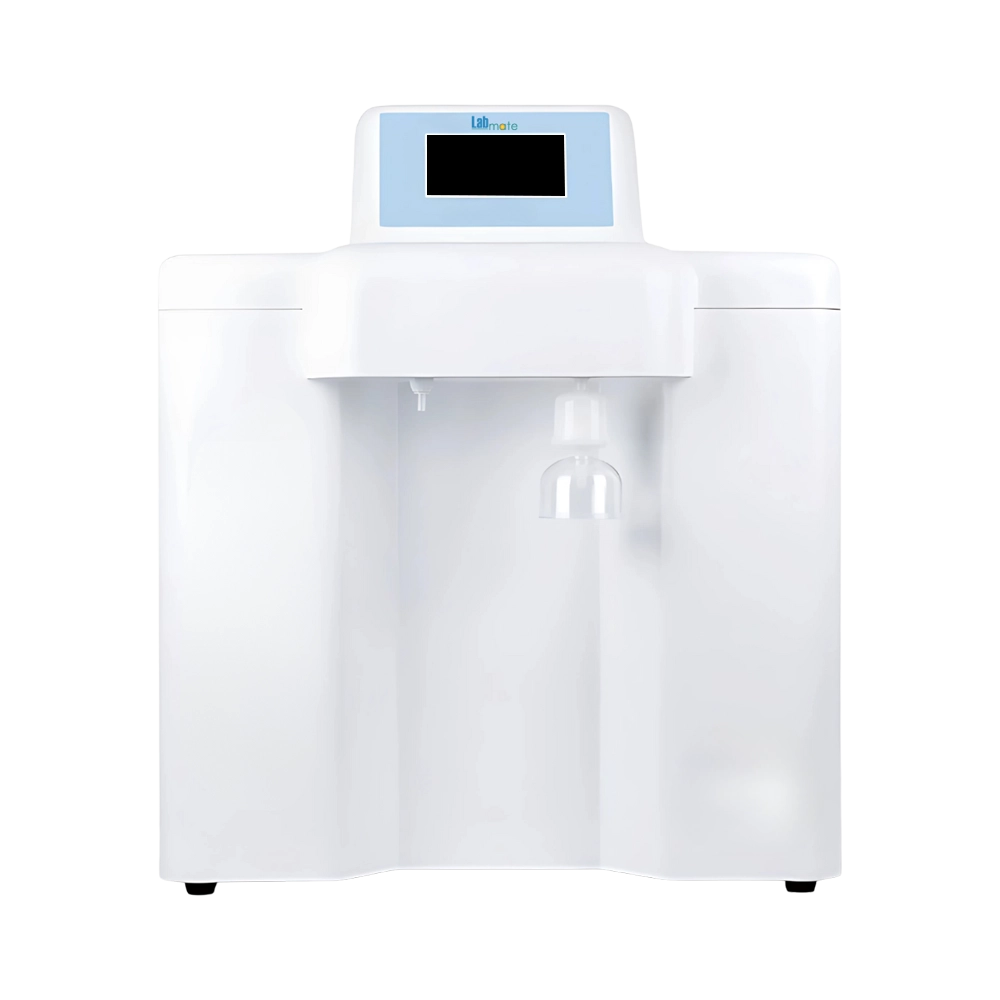
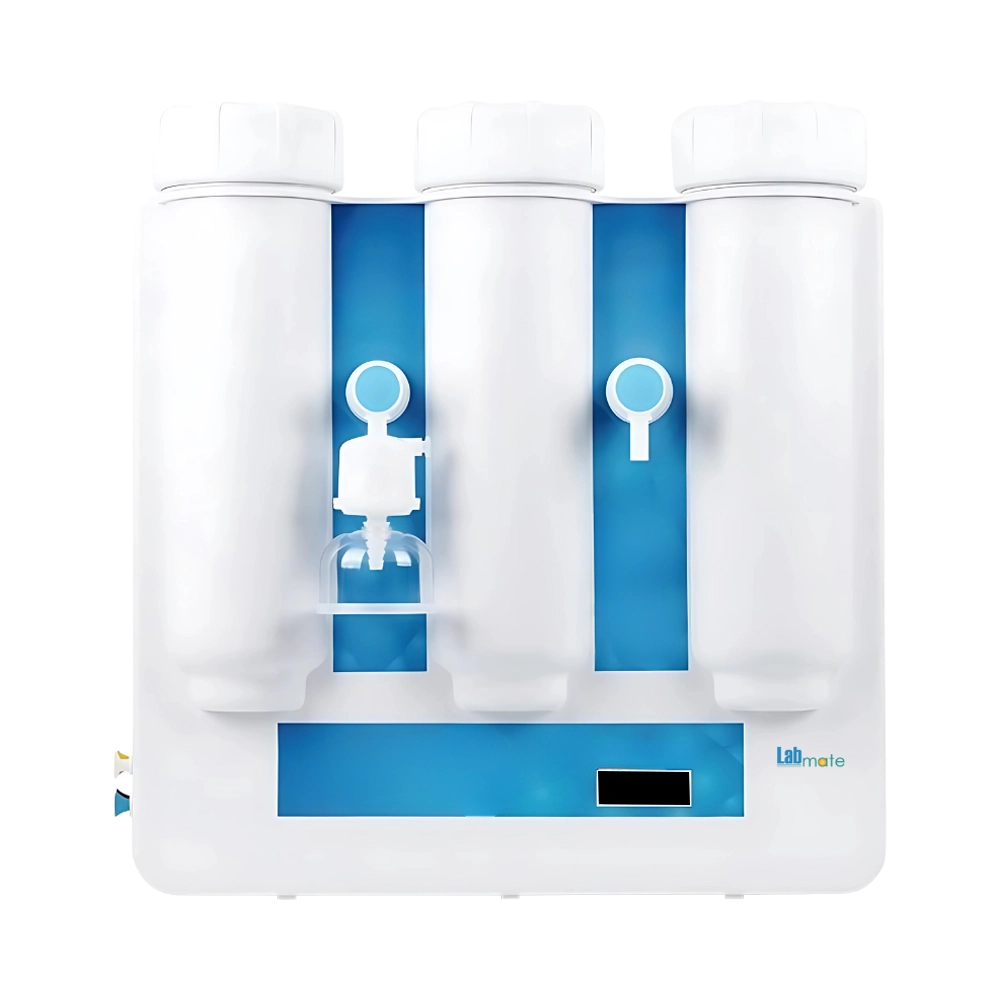
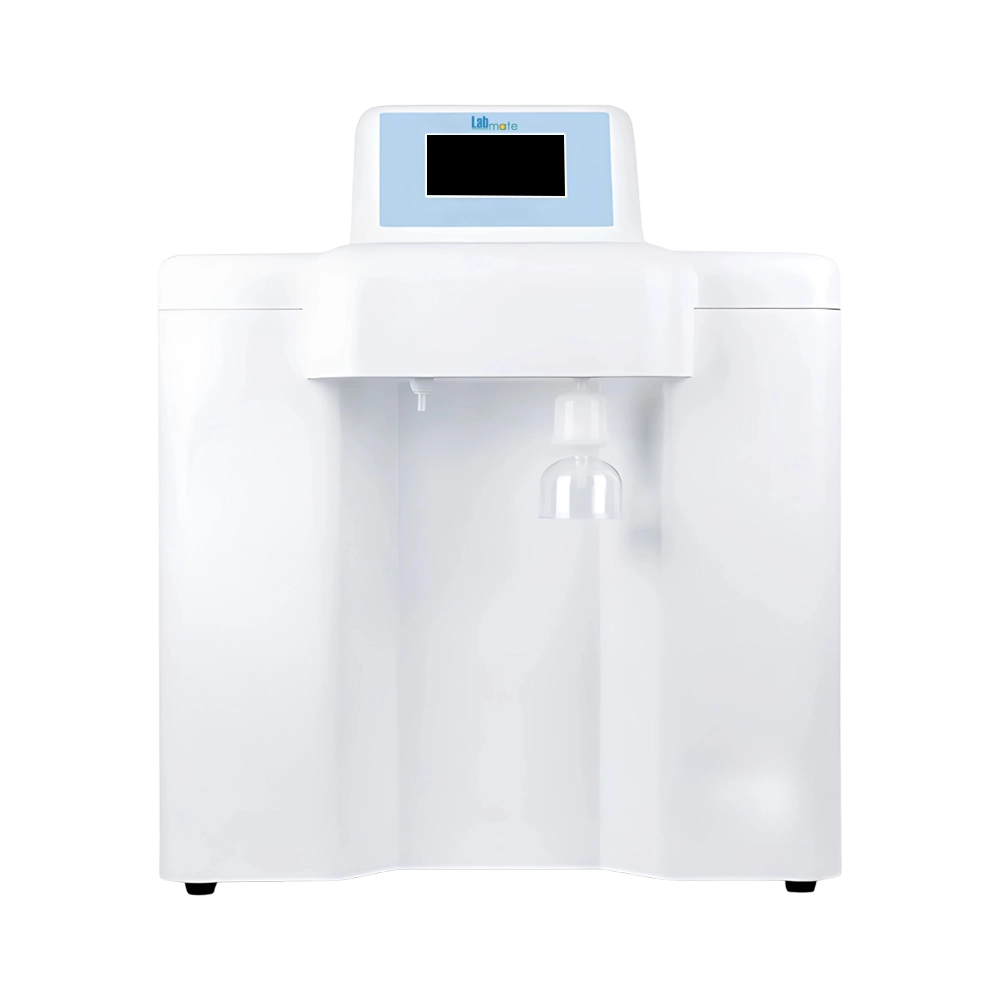
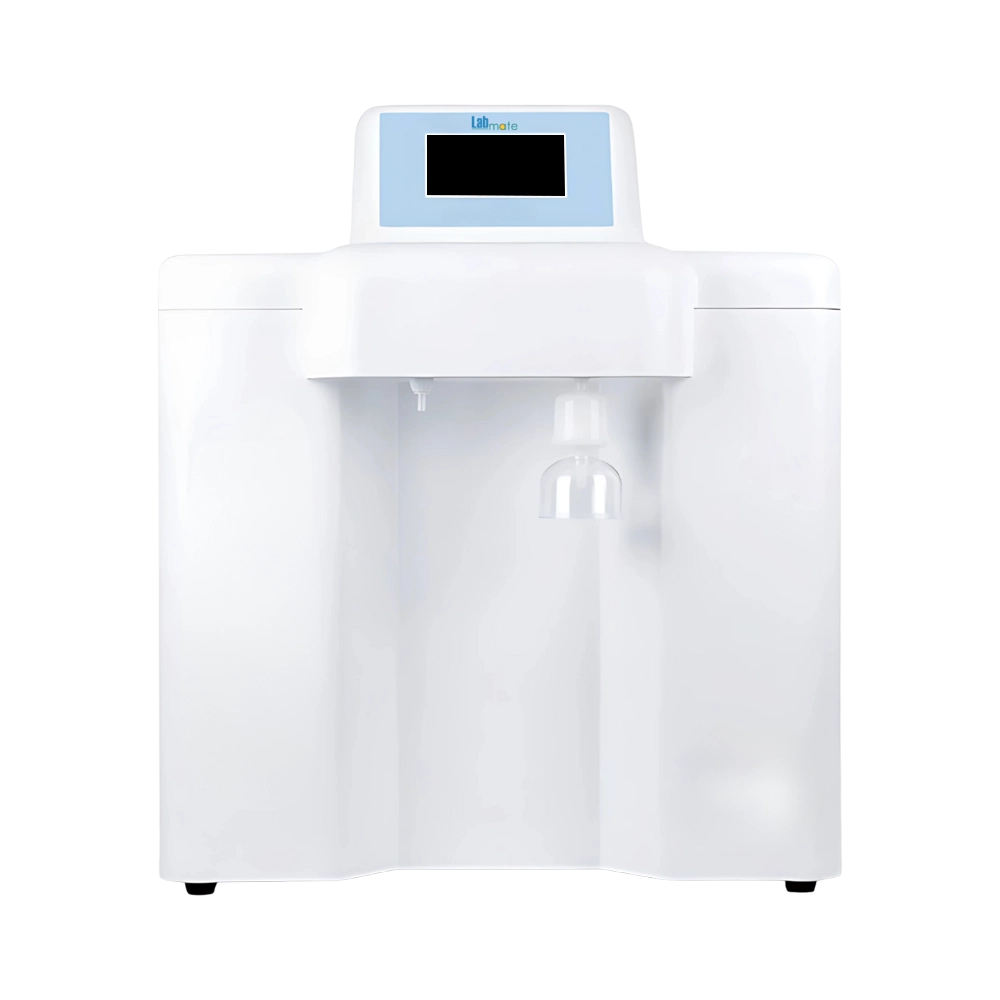
Low TOC Ultrapure Water System LMLWS-A110 provides TOC reduction up to 3ppb. Designed to work with distilled or RO water for consistent purity. Built with DI and UP outlets, it supports diverse laboratory processes. Incorporates advanced monitoring system for real-time quality analysis. Our model operates with low power consumption, ensuring cost-effective performance.
Specifications
| Flowrate | 2L/min |
| Output | Supply flowrate dependent |
| Outlets | DI and UP |
| Feed Water | Distilled/RO water, 0 to 1 bar |
| DI Water Quality | Resistivity: greater than 16MΩ.cm at 25℃, Heavy metal ion: less than 0.1ppb |
| UP Water Quality | Resistivity: greater than 18.2MΩ.cm at 25℃, Bacteria: less than 0.01CFU/ml, Particles (0.2µm): less than 1/ml, Heavy metal ion: less than 0.01ppb |
| TOC | Less than 3ppb |
| Display | LCD |
| Power Consumption | 72W/120W |
| Dimension (L×B×H) | 410×220×420mm |
| Weight | 18Kg |
Pricing
| Product | Price | Unit | Action |
|---|---|---|---|
| Low TOC Ultrapure Water System LMLWS-A110 | $ 6100 | Each of 1 |
Features
Attached portable TDS
Multiple alarm function
Self-flushing membrane
Easy-to-replace cartridge
Backlit LCD control system
Hassle-free installation procedure
Standard Accessories
Accessory | Unit | Quantity |
Cartridges | Set | 1 |
TDS Pen | Each | 1 |
Accessory Bag | Pack | 1 |
Applications
Low TOC Ultrapure Water System LMLWS-A110 is ideal for drug formulation, HPLC and mass spectrometry analysis, DNA or RNA extraction, electrophoresis, electronics manufacturing, and environmental research.
Similar Products
$ 8125 / Each of 1
$ 6637.5 / Each of 1
$ 7325 / Each of 1
$ 10187.5 / Each of 1
$ 11062.5 / Each of 1
$ 7875 / Each of 1
$ 8312.5 / Each of 1
$ 11350 / Each of 1
$ 7325 / Each of 1
$ 12387.5 / Each of 1
$ 12650 / Each of 1
$ 9425 / Each of 1
$ 10312.5 / Each of 1
$ 8437.5 / Each of 1
$ 11537.5 / Each of 1
Frequently Asked Questions
1 What is a Low TOC Ultrapure Water System?
A Low TOC Ultrapure Water System is a purification system that produces water with extremely low Total Organic Carbon for high-purity applications.
2 Why is Low TOC Ultrapure Water System essential in pharmaceutical manufacturing?
It is essential in pharmaceutical manufacturing to ensure water purity meets regulatory standards and prevents contamination in drug formulations.
3 Can Low TOC Ultrapure Water System be used in clinical diagnostics?
It can be used in clinical diagnostics to prevent interference in sensitive biochemical and molecular assays.
4 Why is Low TOC Ultrapure Water System important in forensic science labs?
It is important in forensic science labs to avoid contamination in trace evidence analysis, DNA extraction, and toxicology tests.
5 How does Low TOC Ultrapure Water System aid in vaccine production?
It aids in vaccine production by providing contaminant-free water that meets stringent purity requirements essential for biological safety and product efficacy.
6 What role does Low TOC Ultrapure Water System play in biotechnology research?
It plays a critical role in biotechnology research by preventing interference in sensitive assays and preserving the integrity of cell cultures and recombinant protein production.
7 Can Low TOC Ultrapure Water System be used in the food and beverage industry?
It is used in the food and beverage industry for applications requiring ultrapure rinse water, particularly in sterile packaging or ingredient mixing where TOC-sensitive formulations are used.
8 How does Low TOC Ultrapure Water System help in forensic toxicology labs?
It helps in forensic toxicology labs by ensuring uncontaminated baseline water for sample preparation, improving the accuracy of trace-level drug and toxin detection.
9 Can Low TOC Ultrapure Water System be used for quality control in nutraceuticals?
It is used for quality control in nutraceuticals to ensure that analytical testing is not compromised by background organics during assay preparation.
10 Why is Low TOC Ultrapure Water System used in critical aerospace R&D test environments?
It is used in critical aerospace R&D test environments to prevent contamination that could affect data integrity during material, fluid dynamics, or propulsion tests.