

Get Quote
Contact us now to receive a detailed quotation.
Liquid Suction Pump LMLSP-A102 delivers maximum flow rate of 42L/min. It supports both open control and foot switch control mode for flexible workflow. It features quick-insertion sealing joint for hassle-free removal and cleaning. Its high-quality, maintenance-free vacuum pump offers low noise operation and extended lifespan. Our Liquid Suction Pump is ideal for cell culture aspiration, and filtration-based experiments.
Specifications
| Maximum Flow Rate | 42L/min |
| Vacuum degree | -0.08Mpa |
| Negative Pressure Adjustment Range | 0 to -0.08Mpa |
| Waste Liquid Bottle Capacity | 2500mL |
| Power Consumption | 180W |
| Fuse | 250V 1A, φ5 × 20 |
| Dimension | 248 × 475 × 350 mm |
| Net Weight | 9.2 kg |
Pricing
| Product | Price | Unit | Action |
|---|---|---|---|
| Liquid Suction Pump LMLSP-A102 | $ 2050 | Each of 1 |
Features
Vacuum Gauge Display
PTFE Gas Filtration
Autoclavable Components
Pumping Filter Brackets
Sealed Waste Bottle Cap
Multi-Function Handle
Interchangeable Suction Heads
Optional Accessories
Model No | Accessory |
LMLSP-A102-E1 | Plastic Extraction Head |
LMLSP-A102-E2 | Steel Extraction Head |
LMLSP-A102-E3 | Plastic Extraction Head |
LMLSP-A102-E4 | Plastic Extraction Head |
LMLSP-A102-E5 | Steel Extraction Head |
LMLSP-A102-H1 | Hand-Held Operator |
LMLSP-A102-F1 | Foot Switch |
Applications
Liquid Suction Pump LMLSP-A102 is ideal for fluid extraction, vacuum-assisted cell handling, and filtration procedures in environmental testing, diagnostic and research laboratories.
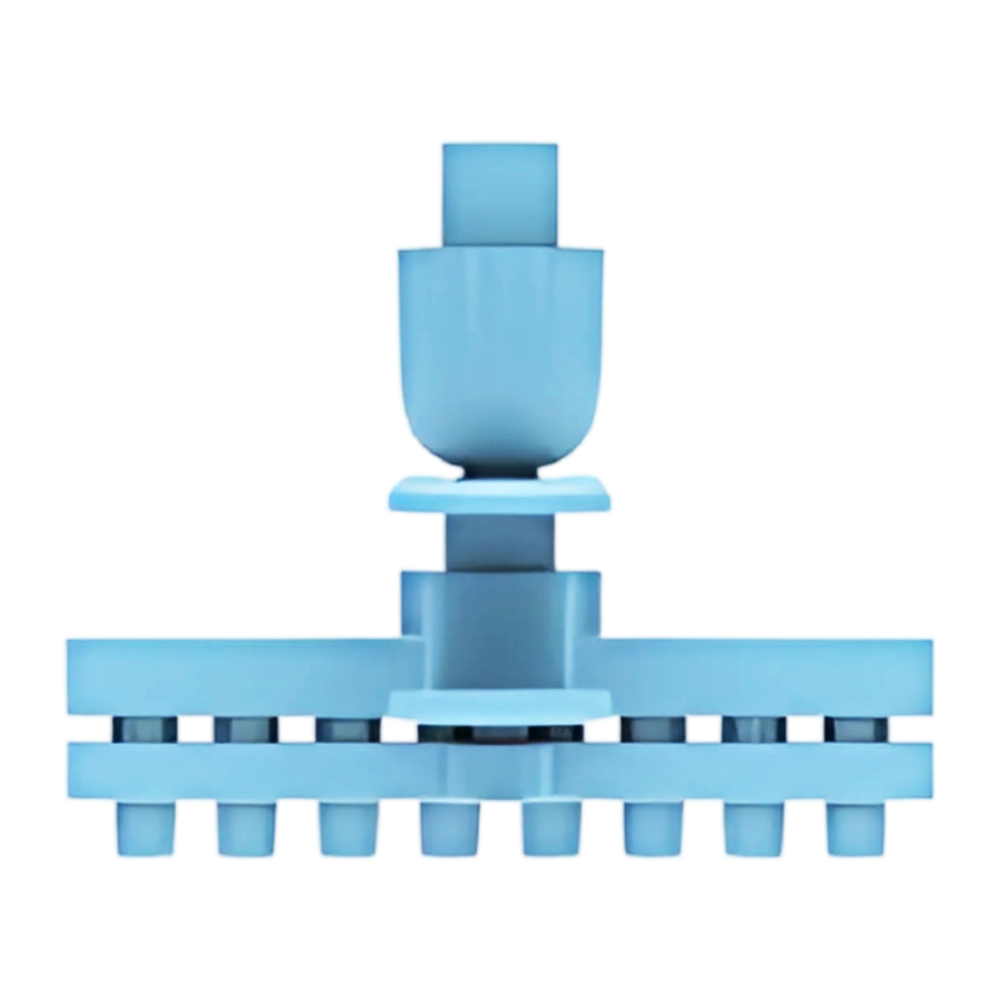
Material: Polyoxymethylene (POM) plastic Channels: 8
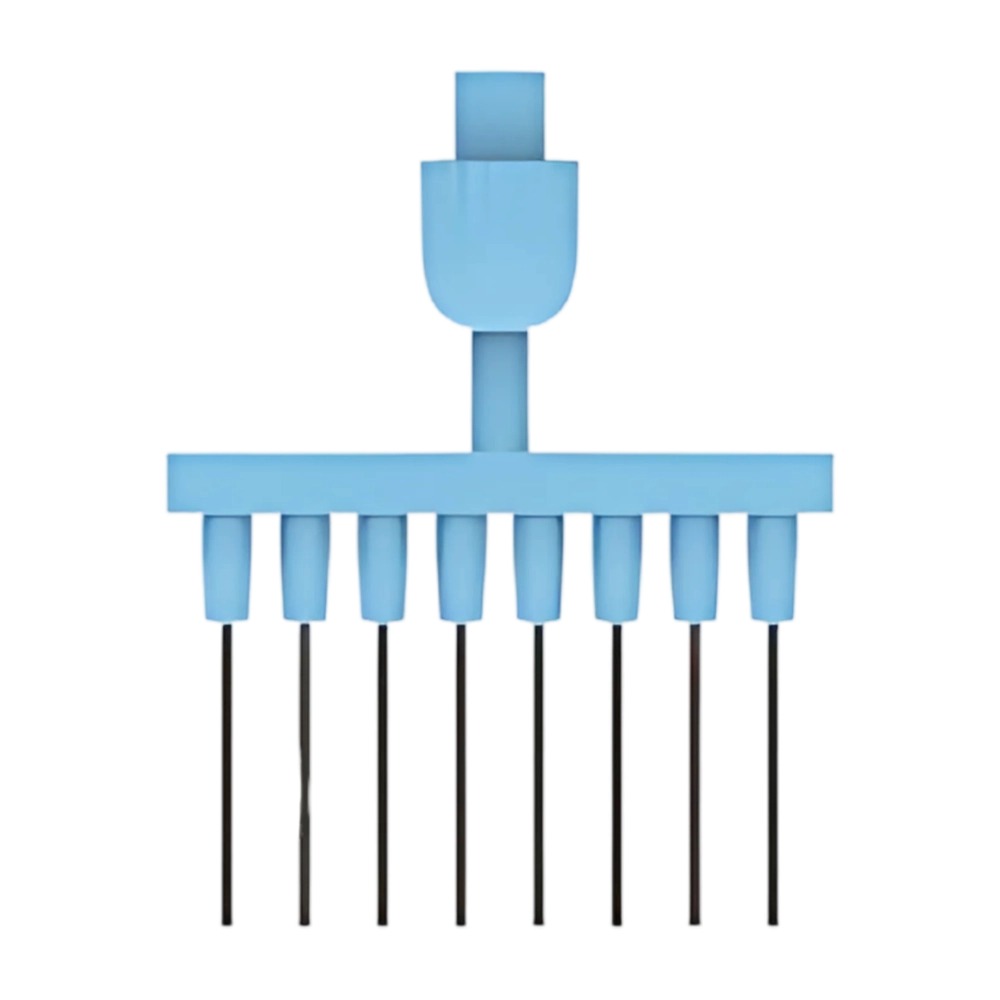
Material: SUS304 stainless steel, Polyoxymethylene (POM) plastic Channels: 8
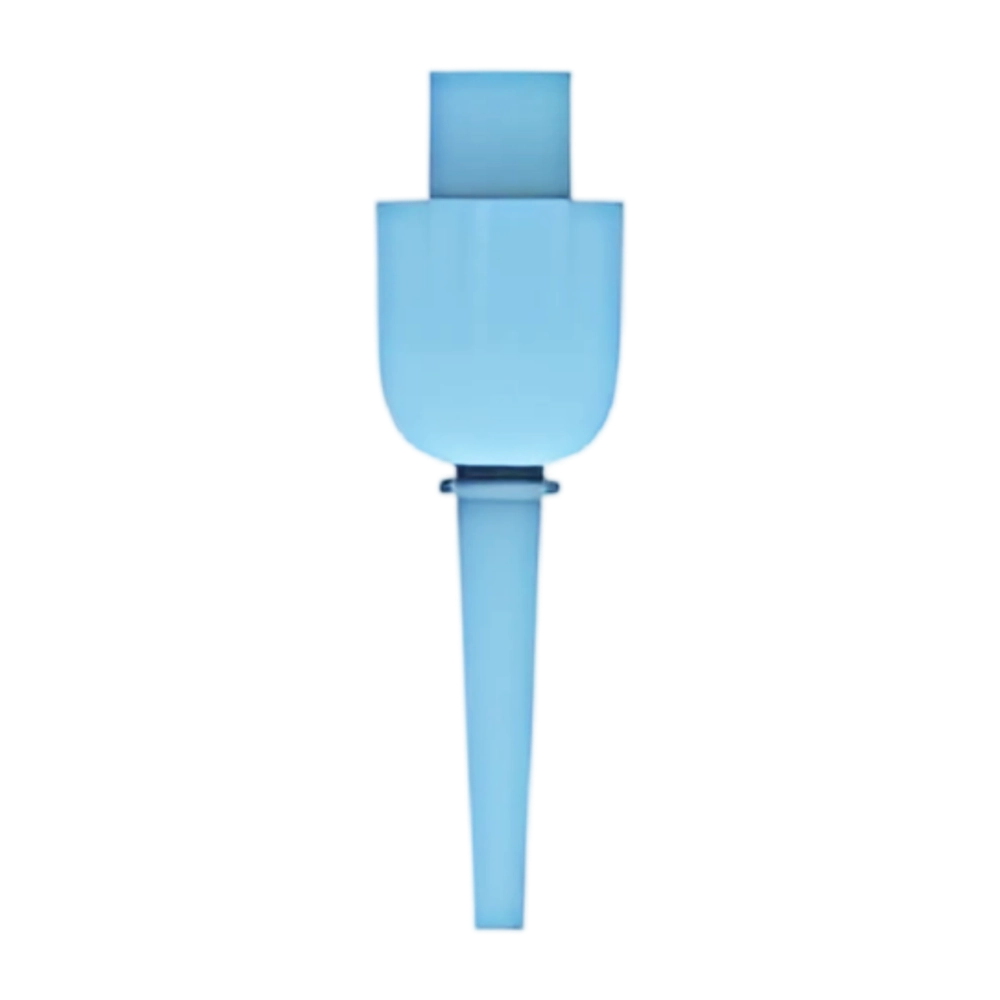
Material: Polyoxymethylene (POM) plastic Channels: 1
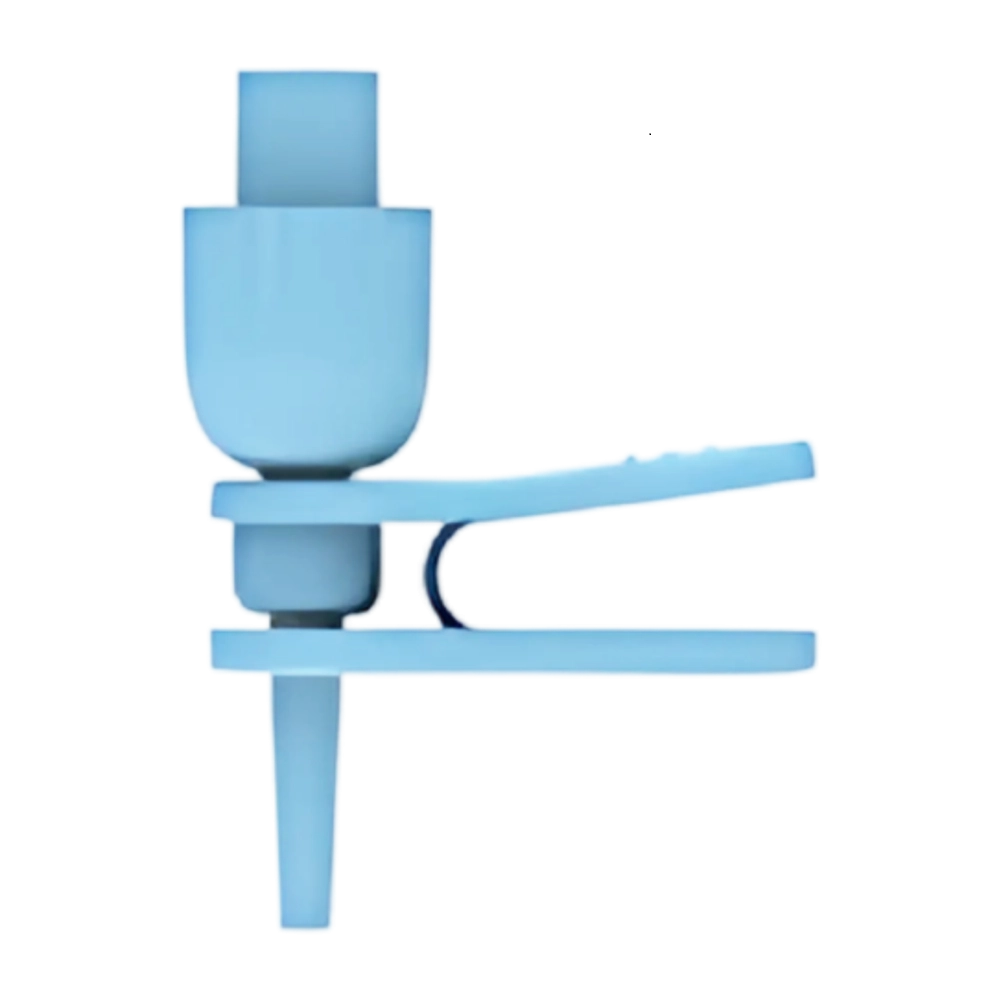
Material: Polyoxymethylene (POM) plastic Channels: 1
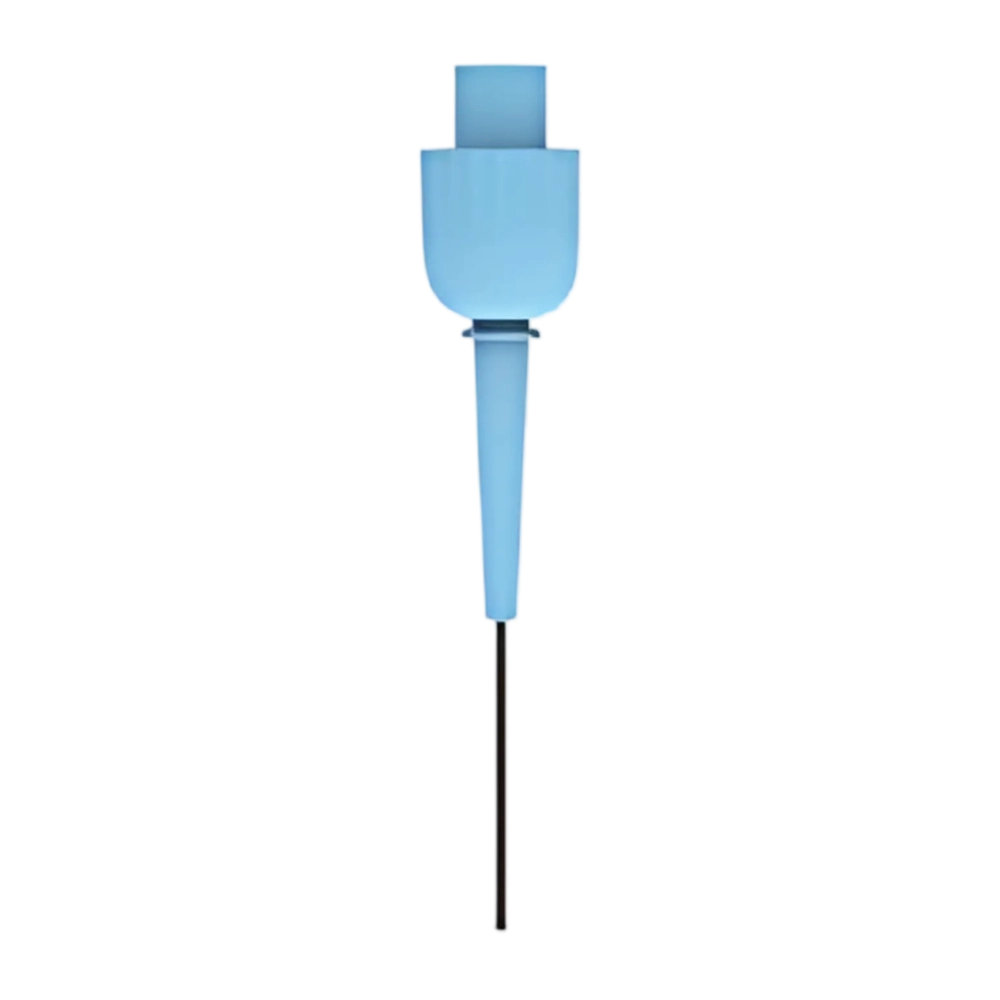
Material: SUS304 stainless steel, Polyoxymethylene (POM) plastic Channels: 1
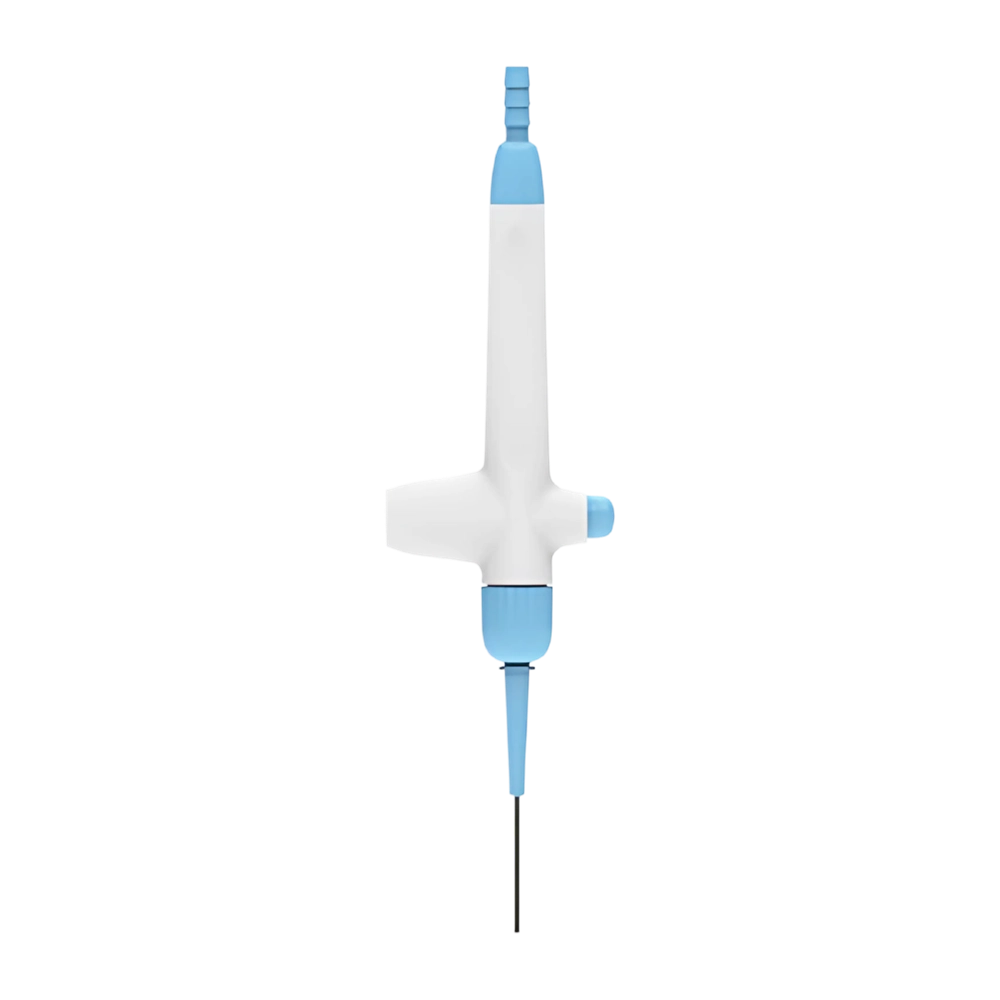
Material: Polyoxymethylene (POM) plastic
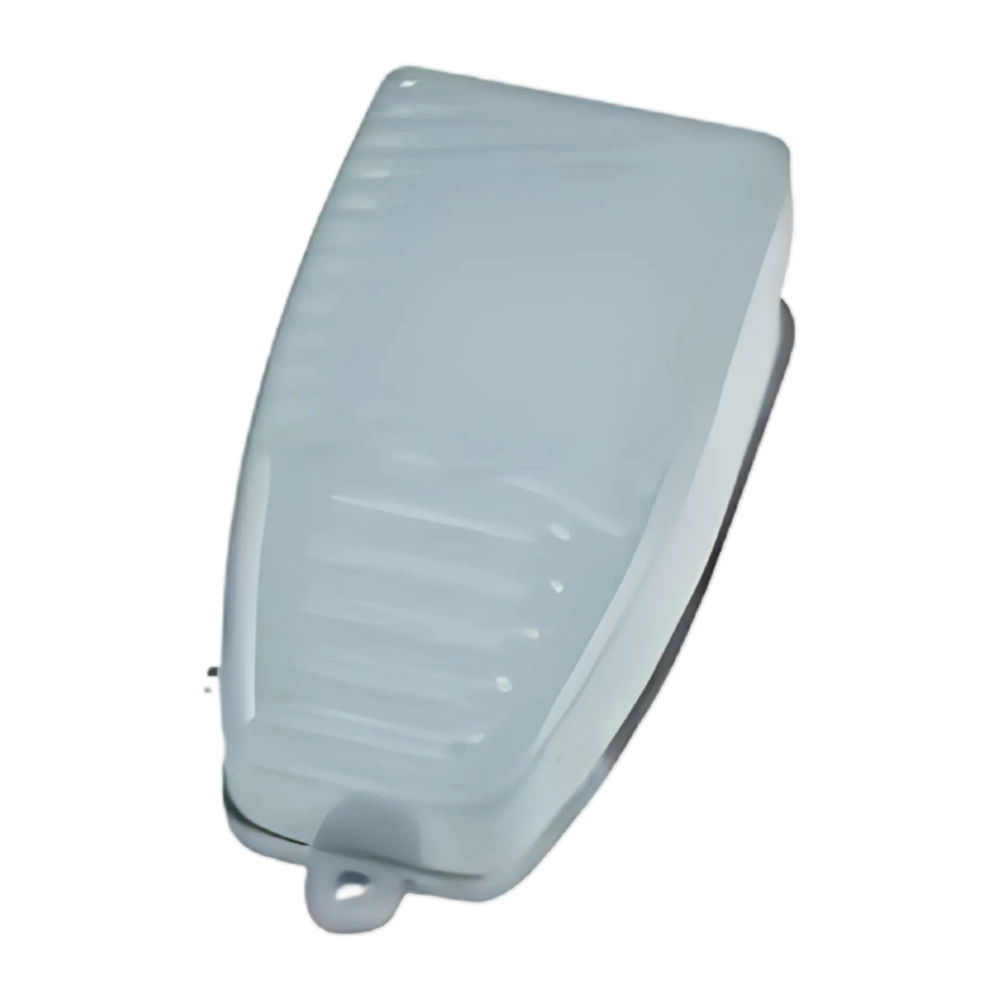
Material: Aluminum (Al)
Similar Products

$ 1750 / Each of 1

$ 1895 / Each of 1

$ 2025 / Each of 1

$ 1845 / Each of 1
Frequently Asked Questions
1 What is a Liquid Suction Pump?
A Liquid Suction Pump is a mechanical apparatus designed to move liquids from one location to another by creating suction to draw the liquid into the pump chamber.
2 How does Liquid Suction Pump work?
It works by creating a vacuum or low-pressure zone that draws liquid into the pump, then pushes it through an outlet using impellers, diaphragms, or pistons.
3 What kind of maintenance is required by Liquid Suction Pump?
Regular maintenance includes checking for leaks, inspecting seals, cleaning filters, and ensuring the motor and components are in good condition.
4 Is Liquid Suction Pump suitable for agricultural irrigation systems?
It is commonly used in agricultural irrigation systems to draw water from wells, ponds, or tanks and distribute it efficiently across fields or greenhouses.
5 How does Liquid Suction Pump help in wastewater treatment facilities?
In wastewater treatment, it helps by moving sludge, graywater, or chemical additives through various stages of treatment and filtration systems.
6 Can Liquid Suction Pump be used in food and beverage processing?
It is frequently used in food and beverage processing to handle liquids like milk, juice, syrup, and cleaning agents with sanitary-grade materials.
7 What role does Liquid Suction Pump play in pharmaceutical manufacturing?
In pharmaceutical manufacturing, it ensures precise and sterile liquid transfer, including solvents, active ingredients, and finished products in liquid form.
8 Is Liquid Suction Pump suitable for laboratory environments?
It is suitable for laboratory environments to handle reagent transfer, fluid sampling, and chemical mixing under controlled conditions.
9 How does Liquid Suction Pump support solar thermal systems?
In solar thermal systems, it is used to circulate heat-transfer fluids like glycol or water between solar collectors and storage tanks.
10 How does Liquid Suction Pump function in textile printing processes?
It is used to move inks, dyes, and cleaning fluids through automated printing systems and rinse stations.