

Get Quote
Contact us now to receive a detailed quotation.
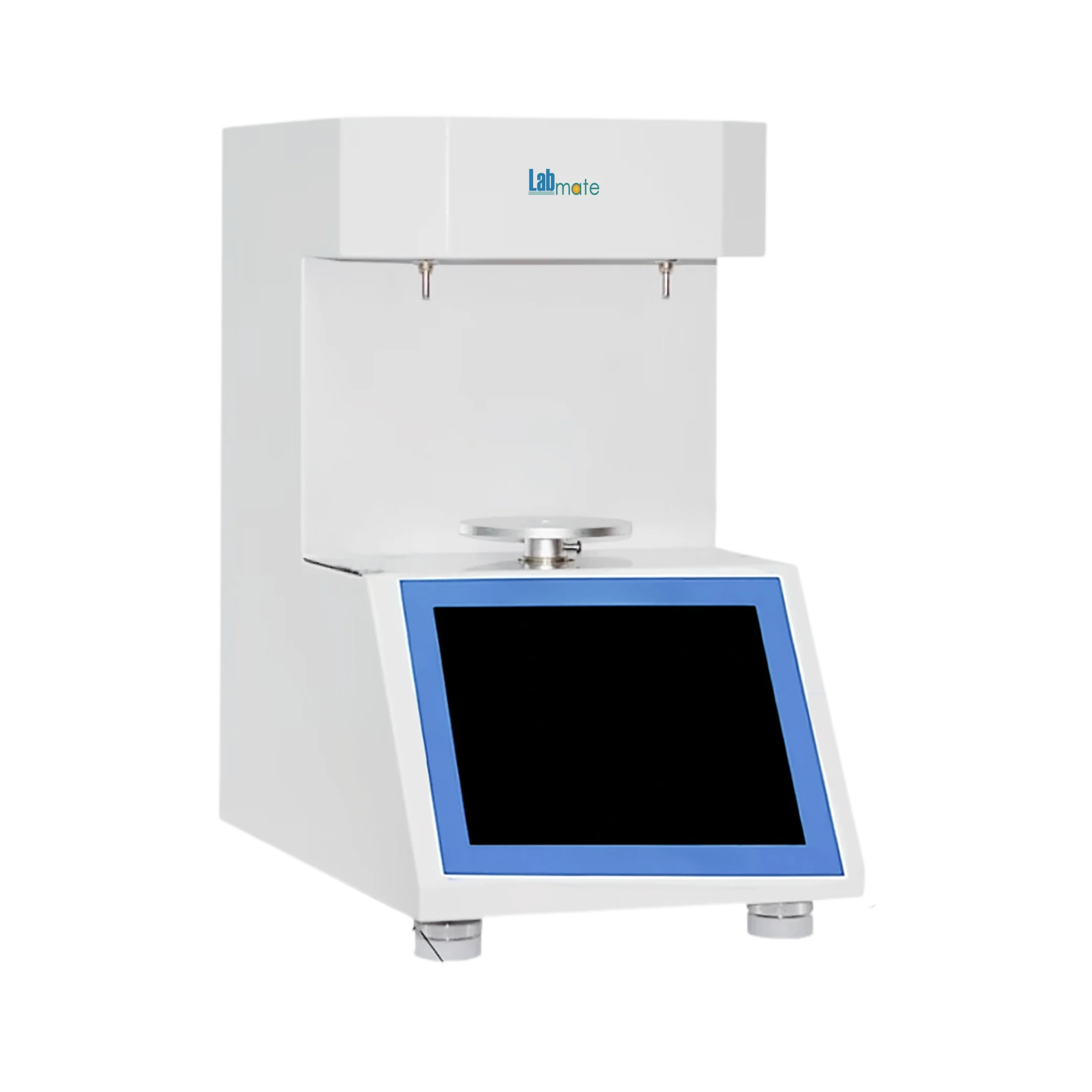
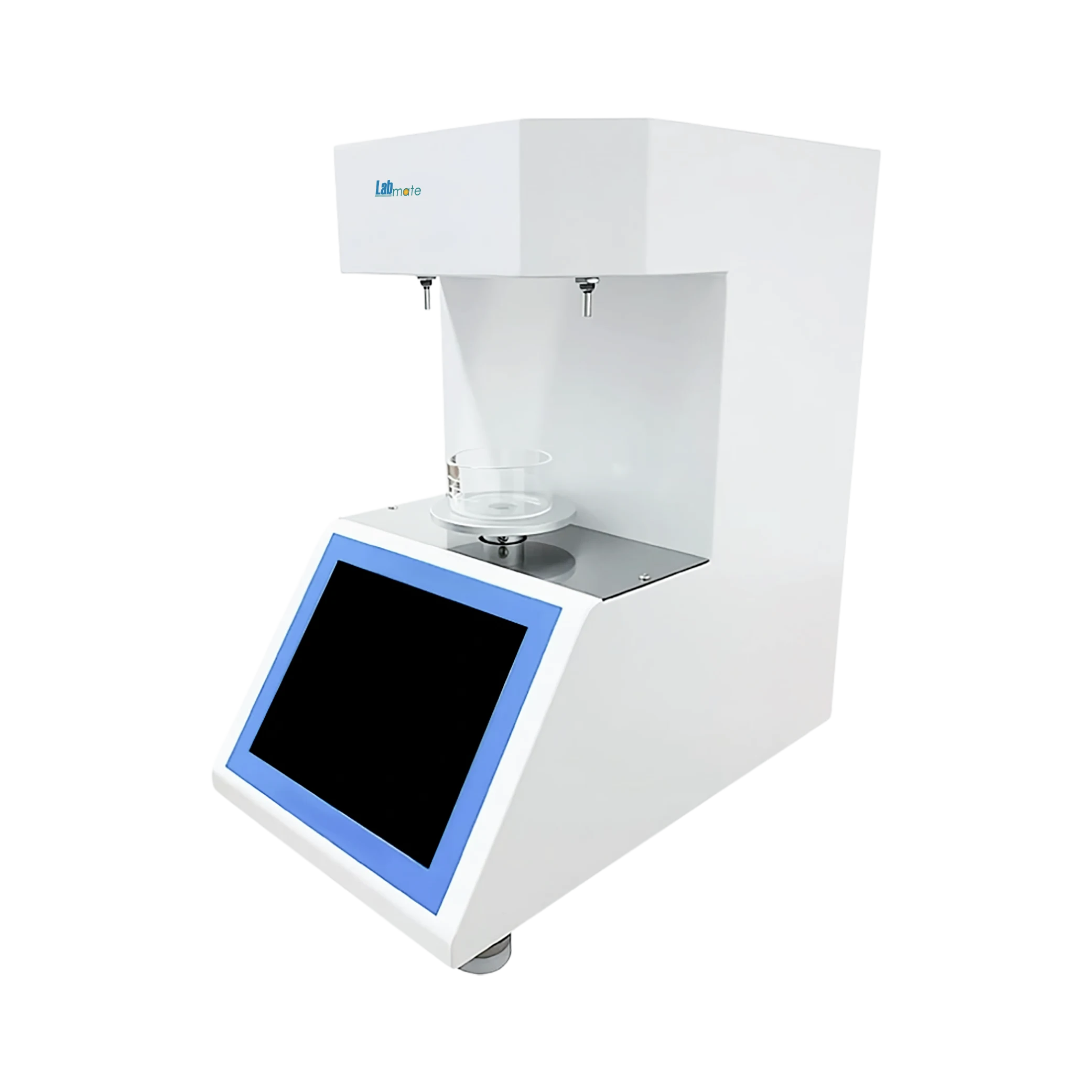
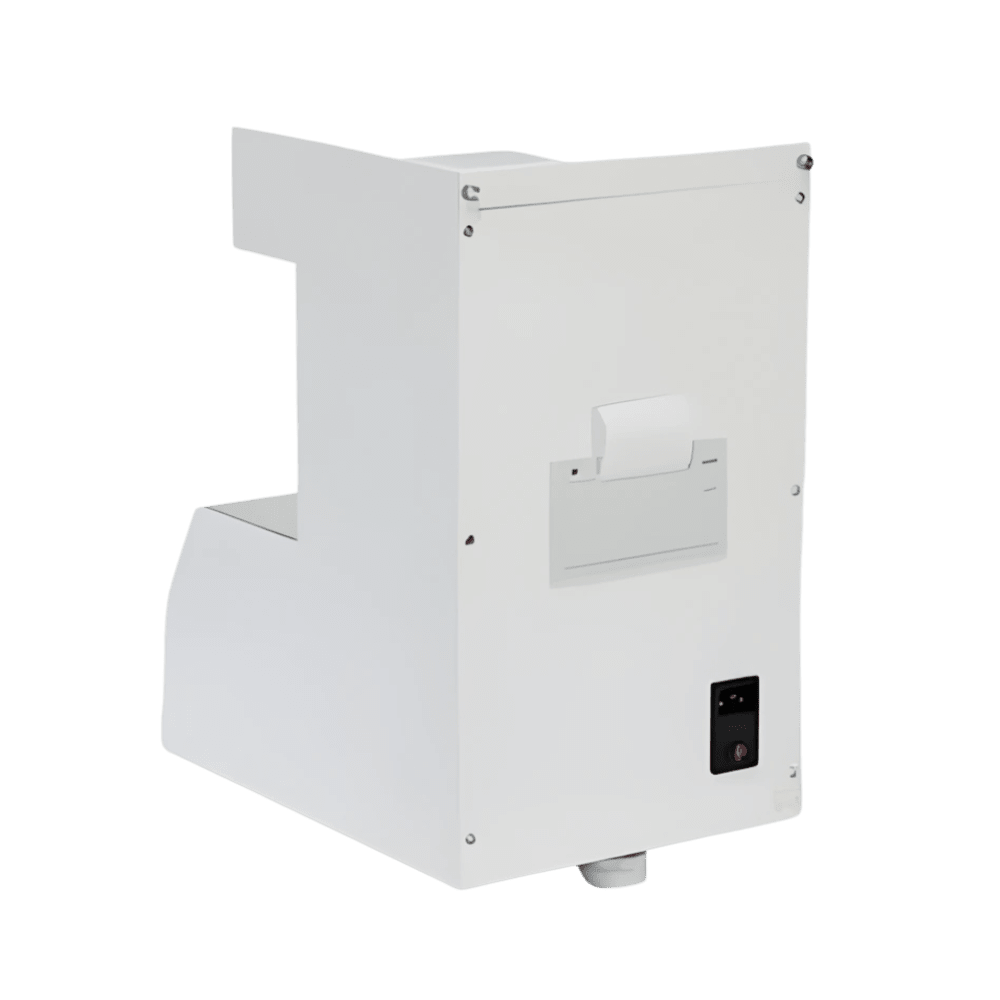
Interfacial Tensiometer LMIFT-A101 offers measuring range of 0 to 400 mN/m. It features next-generation microprocessor that automatically calculates and displays real-time values. Integrates corrosion-resistant surface with electrostatic spray treatment, making it durable and easy to clean. Equipped with low-noise lifting platform, it moves smoothly up and down with enhanced positioning care. Our Tensiometer determines surface and interface tension of liquids in chemical, petroleum, and research sectors.
Specifications
| Measuring Range | 0 to 400 mN/m |
| Measurement Mode | Platinum ring method |
| Accuracy | ±0.01mN/m |
| Sensitivity | 0.01mN/m |
| Platinum Ring Radius | R9.55 Platinum wire 0.3 |
| Self Checking Function | Automatic diagnosis of instrument failure |
| Temperature Compensation | Automatic temperature compensation |
| Display | 10-inch 65K color LCD touch screen |
| Display Resolution | 800×600 pixels |
| Working Temperature | 10 to 40℃ |
| Ambient Humidity | Less than 80% |
| Power Consumption | Less than 40W |
| Dimension | 440×190×350 mm |
| Weight | 7.5 Kg |
Pricing
| Product | Price | Unit | Action |
|---|---|---|---|
| Interfacial Tensiometer LMIFT-A101 | $ 3650 | Each of 1 |
Features
Instant result calculation
Power-off memory backup
Quiet vertical movement
Magnetic tank sensor
Multi-point calibration
Repeatable test results
Standard Accessories
Test Cup x 2
Instructions x 1
Platinum Ring x 1
Power Cords x 1
Weights x 1
Applications
Interfacial Tensiometer LMIFT-A101 determines liquid surface and interface tension in petroleum refining, chemical production, power systems, railway material testing, academic research, and quality control laboratories.
Similar Products

$ 4350 / Each of 1
Frequently Asked Questions
1 What is an Interfacial Tensiometer?
An Interfacial Tensiometer is an apparatus designed to measure the interfacial tension between two immiscible liquids.
2 How does an Interfacial Tensiometer work?
It works by applying force to a probe or ring that interacts with the interface between two liquids, measuring the resistance to deformation to calculate interfacial tension.
3 What factors affect the accuracy of Interfacial Tensiometer?
Its accuracy is influenced by temperature, cleanliness of the probe, sample preparation, and environmental vibrations.
4 What kind of maintenance does Interfacial Tensiometer require?
Regular maintenance includes cleaning of the measuring parts, checking for software updates, and recalibrating with standard liquids.
5 What is the difference between Interfacial Tensiometer and a Surface Tensiometer?
An Interfacial Tensiometer specifically measures tension between two liquids, whereas a Surface Tensiometer measures tension between a liquid and air.
6 How is Interfacial Tensiometer used in the oil and gas industry?
It is used to evaluate the effectiveness of surfactants in enhanced oil recovery by measuring interfacial tension between crude oil and injected fluids.
7 Why is Interfacial Tensiometer important in pharmaceuticals?
It is important in pharmaceuticals for optimizing drug delivery systems like emulsions and microemulsions by ensuring proper interfacial tension levels.
8 How does Interfacial Tensiometer contribute to detergent formulation?
It contributes to detergent formulation by measuring how well surfactants reduce interfacial tension.
9 Can Interfacial Tensiometer be used in food science?
It is used in food science to study emulsions in products like sauces and dressings, where interfacial tension affects texture and shelf life.
10 How does Interfacial Tensiometer aid in nanomaterial synthesis?
It aids in nanomaterial synthesis by monitoring interfacial properties during self-assembly processes at liquid interfaces.