
Get Quote
Contact us now to receive a detailed quotation.
Specifications
| Potential Control Range | ±10 V |
| Current Control Range | ±2.0 A |
| Potential Control Accuracy | 0.1% × FS ±1 mV |
| Current Control Accuracy | 0.1% × FS |
| Potential Resolution | 10 mV (>100 Hz), 3 mV ( |
| Current Sensitivity | 1 pA |
| Potential Rise Time | Less than 1 ms (less than 10 mA), less than 10 ms (less than 2 A) |
| Reference Electrode Input Impedance | 10¹² Ω |
| Current Range | 2 nA ~ 2 A (10 steps) |
| Tank Pressure | ±21 V |
| Max Output Current | 2.0 A |
| CV & LSV Scanning Speed | 0.001 mV to 10000 V/s |
| CA & CC Pulse Width | 0.0001 to 65000 s |
| SWV Frequency | 0.001 to 100 KHz |
| DPV & NPV Pulse Width | 0.0001 to 1000 s |
| Low-pass Filter | 8 Segments Programmable |
| Range Setting | Automatic (Current & Potential) |
| Signal Generator Frequency Response | 10 Hz to 1 MHz |
| Frequency Accuracy | 0.005% |
| AC Signal Amplitude Range | 1 mV to 2500 mV |
| Signal Resolution | 0.1 mV RMS |
| IMP Frequency | 10 Hz to 1 MHz |
| DC Bias | -10 V to +10 V |
| DDS Output Impedance | 50 Ω |
| Waveforms | Sine, Triangular, Square |
| Scanning Modes | Logarithmic / Linear, Increase / Decrease |
| Signal Analyzer Integration Time | 10 ms to 10⁶ cycles (max 10⁵ s) |
| Automatic Potential Compensation | -10 V to +10 V |
| Current Compensation Range | -1 A to +1 A |
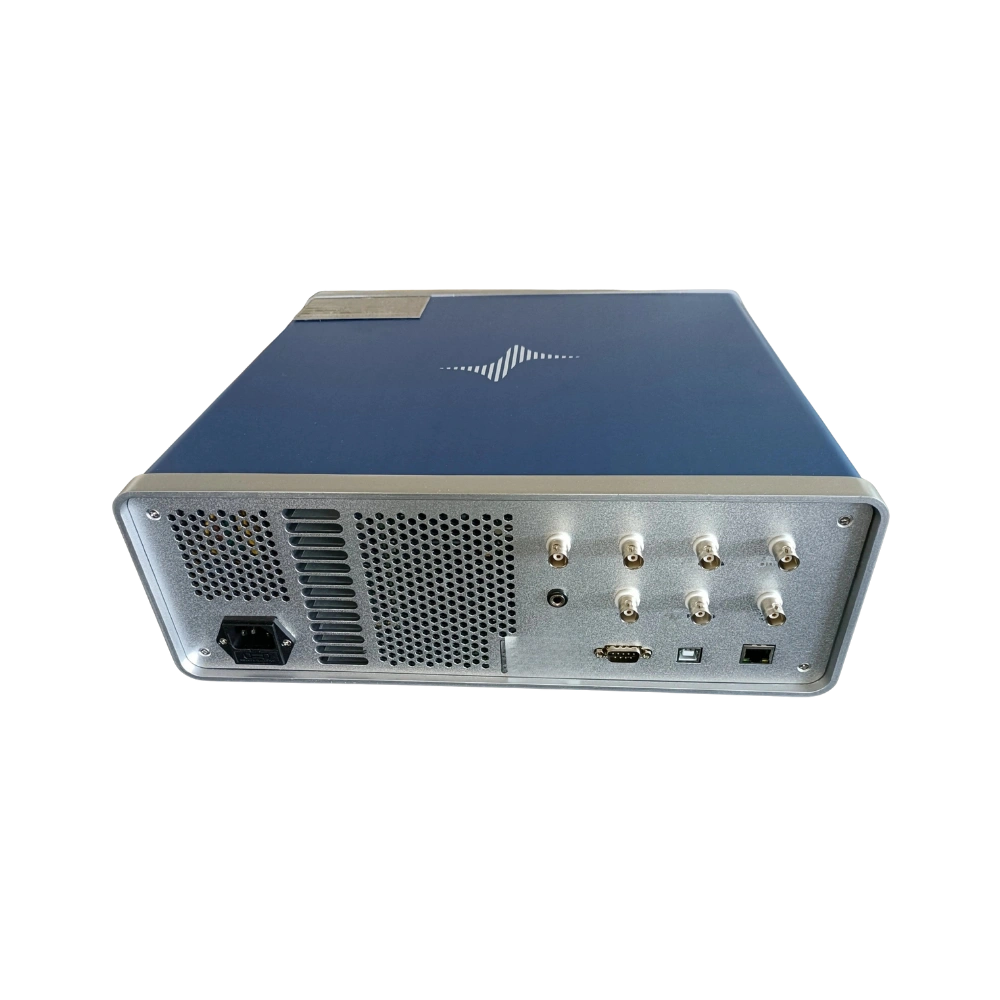
| Interface | USB |
| Power Consumption | 100 W |
| Dimensions | 550×400×250 mm |
| Gross weight | 9 Kg |
Pricing
| Product | Price | Unit | Action |
|---|---|---|---|
| Galvanostat LMGAT-A100 | $ 13743.75 | Each of 1 |
Features
USB communication port
Battery testing functions
Electrochemical noise
Solution resistance test
Standard Accessories
Model No | Accessory |
LMGAT-A100-S1 | Software for testing and analysis |
LMGAT-A100-P1 | Power Cable |
LMGAT-A100-U1 | USB Cable |
LMGAT-A100-E1 | Electrode Cable |
LMGAT-A100-A1 | Analog Cell |
Applications
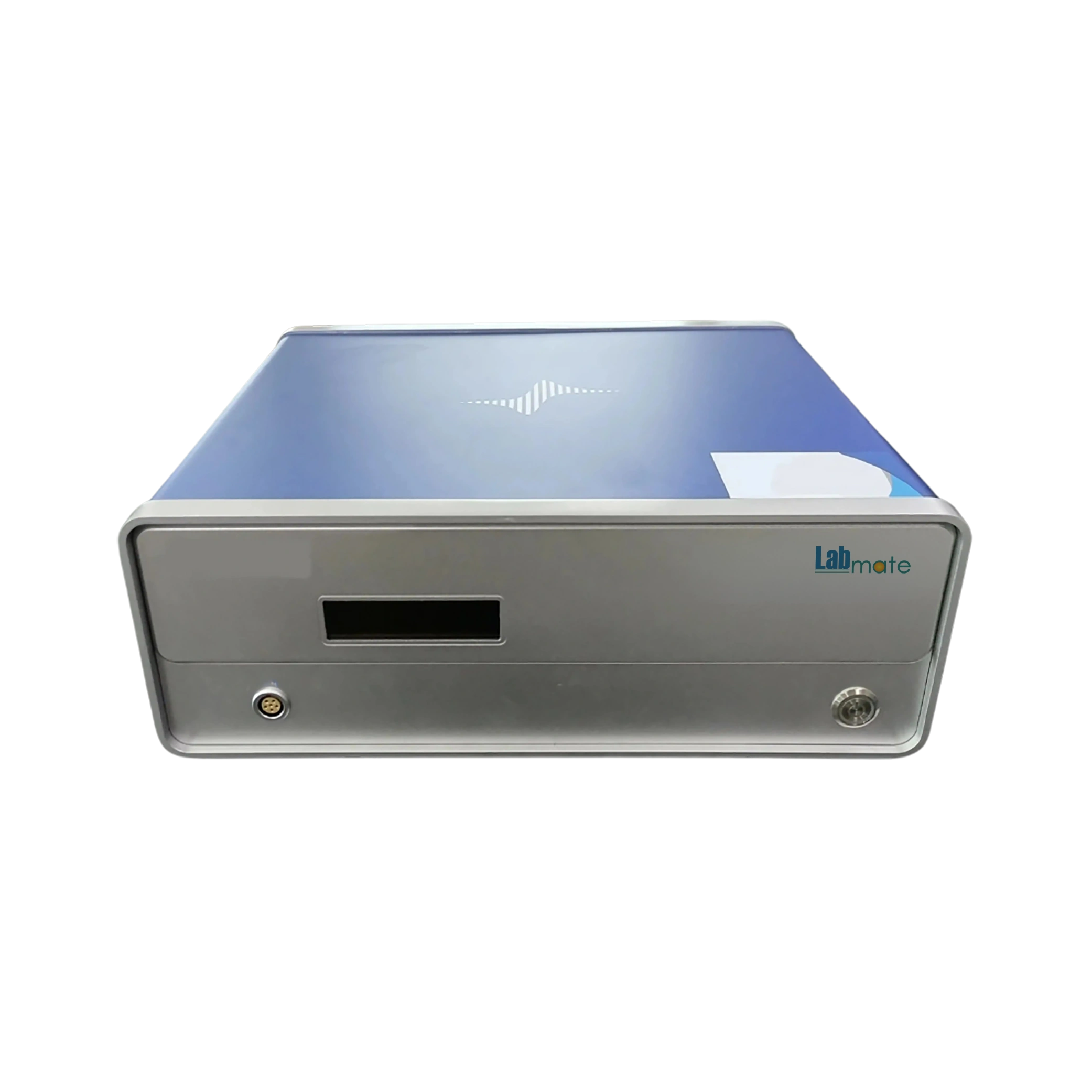
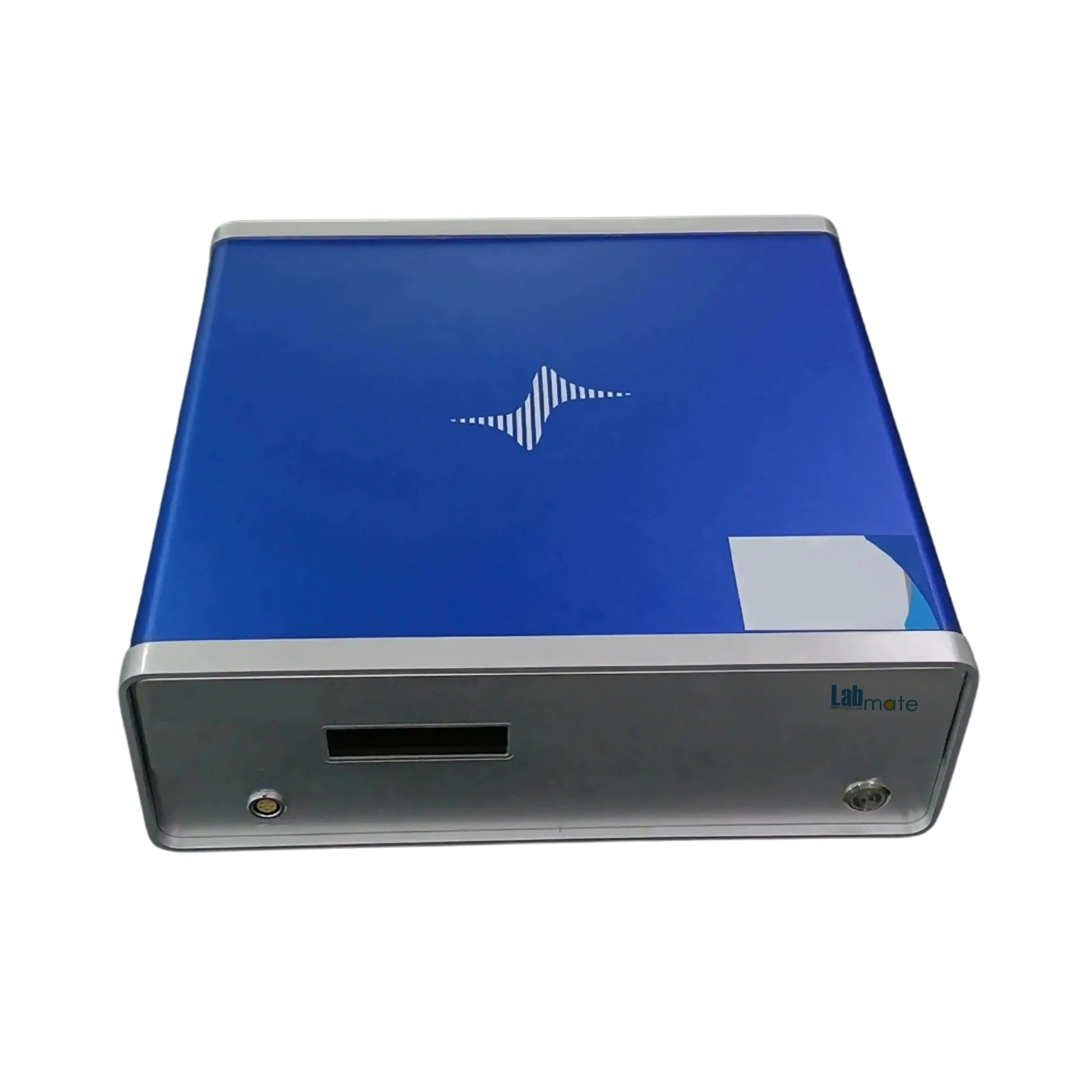
Galvanostat LMGAT-A100 is employed for studying electrochemical reactions, corrosion analysis, and battery testing. It is widely applied in research labs, material science, and energy storage development.