
Get Quote
Contact us now to receive a detailed quotation.
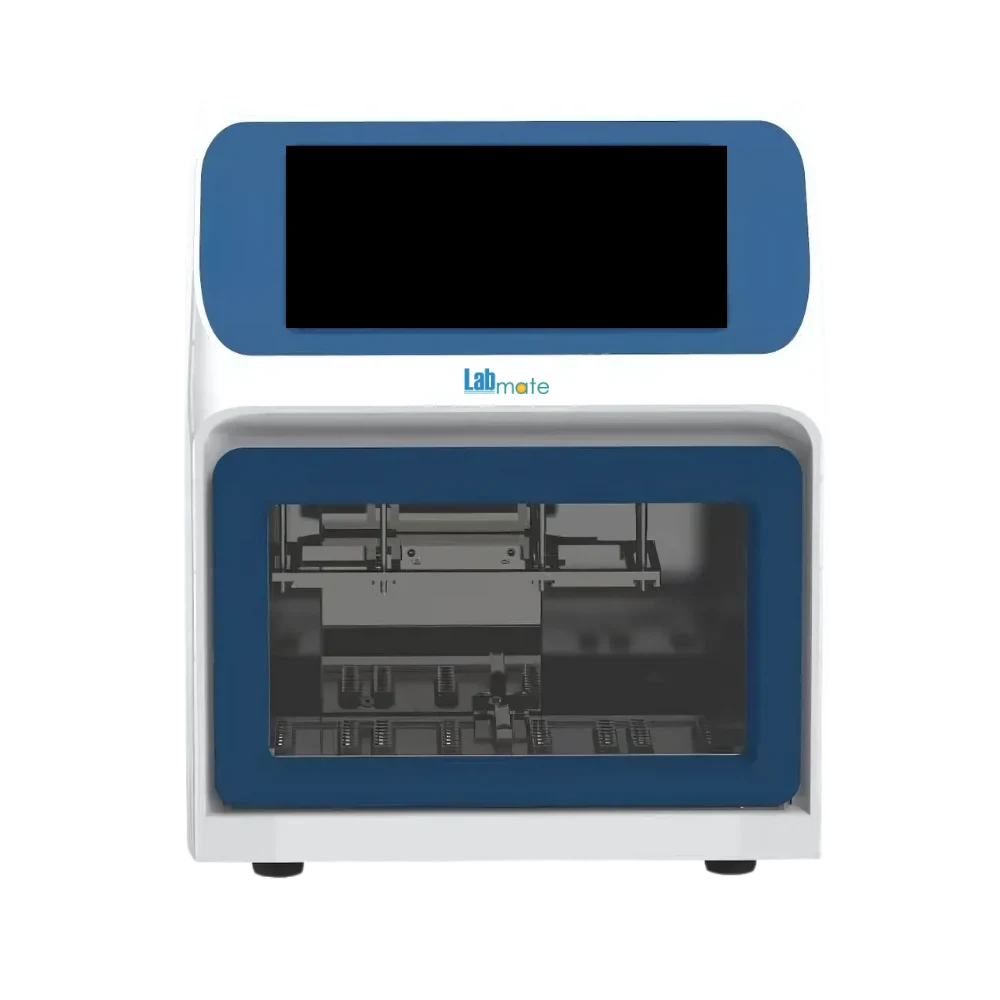
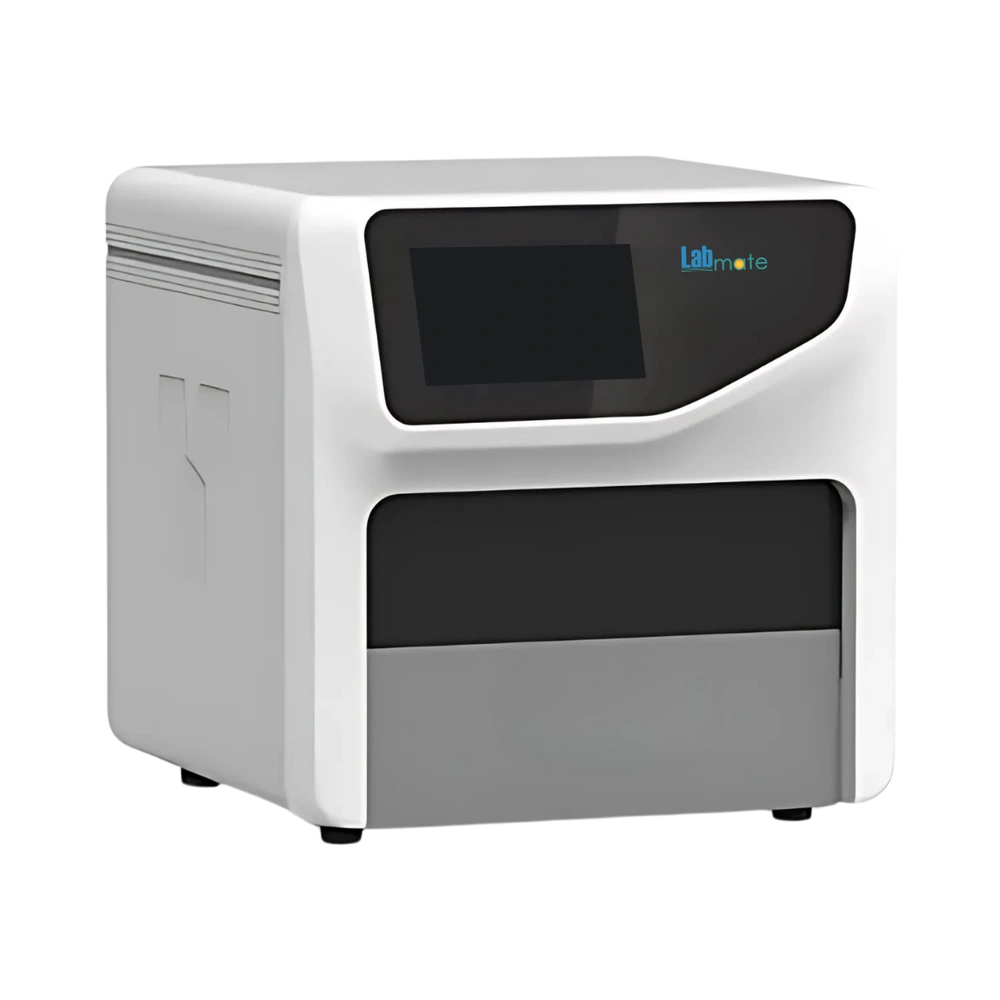
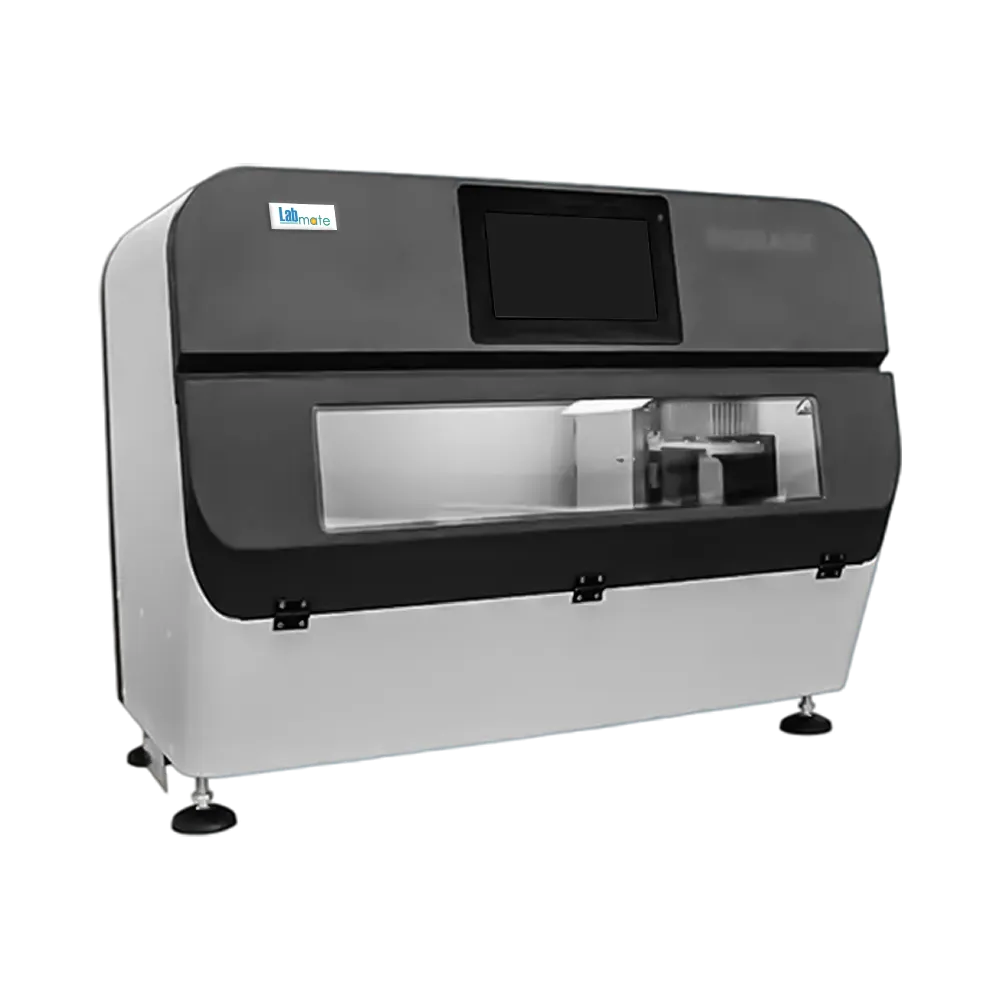
Labmate Automatic Nucleic Acid Extraction System processes 96 samples per run for high-throughput extraction. Their automation minimizes manual effort and contamination risks. They feature touchscreen with pre-programmed protocols for efficient workflow. Their UV sterilization ensures biosafety by reducing cross-contamination. Our Automatic Nucleic Acid Extraction supports clinical research diagnostics and molecular biology settings.

$ 16387.5 / Each of 1

$ 5400 / Each of 1

$ 9913.75 / Each of 1

$ 3566.25 / Each of 1

$ 3420 / Each of 1
$ 6275 / Each of 1

$ 7300 / Each of 1

$ 7300 / Each of 1
$ 27150 / Each of 1
$ 8650 / Each of 1
Selection Guide for Automatic Nucleic Acid Extraction System
When selecting Automatic Nucleic Acid Extraction System, customers should consider key parameters that align with their laboratory needs. Sample throughput options range from 1 to 96 samples per run, covering low to high-volume applications such as 1 to 4, 1 to 16, 1 to 32, and up to 96 samples, making the system suitable for small research labs to high-throughput diagnostic centers. The processing volume typically ranges from 30 µL to 1000 µL, allowing flexibility in handling various sample types and concentrations. Most systems operate on magnetic bead or magnetic particle-based nucleic acid purification methods, ensuring efficient and consistent extraction. Some models also provide defined sample positions, such as a 5-position layout, to support specific workflows. Additionally, a reaction volume range of 30 to 1000 µL enables compatibility with diverse protocols, making these systems adaptable for clinical, research, forensic, and environmental applications.
Frequently Asked Questions
1 What is an Automatic Nucleic Acid Extraction System?
An Automatic Nucleic Acid Extraction System is an apparatus designed to automate the process of isolating nucleic acids from various biological samples, increasing efficiency, accuracy, and throughput.
2 How does Automatic Nucleic Acid Extraction System work?
It works by using magnetic bead or spin column technology along with programmed protocols to extract nucleic acids, minimizing manual intervention and reducing the risk of contamination.
3 What types of samples can be processed using Automatic Nucleic Acid Extraction System?
It is used to process a wide range of biological samples, including blood, tissue, swabs, saliva, and cultured cells.
4 Is Automatic Nucleic Acid Extraction System suitable for genetic testing applications?
It is ideal for genetic testing, as it ensures high-purity DNA extraction from blood, saliva, or buccal swabs, supporting downstream analysis such as genotyping and sequencing.
5 How does Automatic Nucleic Acid Extraction System support cancer research?
In cancer research, it is used to extract nucleic acids from tumor tissue or blood samples, enabling studies on gene expression, mutations, and biomarkers.
6 Is Automatic Nucleic Acid Extraction System suitable for food safety testing?
It is used to extract DNA from food samples in order to detect pathogens, making it valuable in food safety and quality control labs.
7 Can Automatic Nucleic Acid Extraction System be used in environmental testing?
It is used in environmental monitoring to extract microbial DNA or RNA from water, soil, or air samples for ecosystem or contamination studies.
8 How does Automatic Nucleic Acid Extraction System support forensic applications?
In forensics, it is used to provide reliable DNA extraction from trace evidence such as hair, blood stains, or saliva, critical for identity verification and criminal investigations.
9 Can Automatic Nucleic Acid Extraction System be used for pathogen detection in clinical microbiology?
It is commonly used in clinical microbiology to isolate DNA or RNA from bacterial, fungal, or viral pathogens for accurate molecular diagnostics.
10 Can Automatic Nucleic Acid Extraction System be used in drug development and pharmacogenomics?
It is essential in drug development for extracting nucleic acids that helps correlate genetic variations with drug response in pharmacogenomics studies.